
History and Origins of Aromatherapy Blends for Sleep Quality
Introduction
Aromatherapy, a practice that employs the use of essential oils extracted from plants, has gained popularity in recent years for its potential benefits in enhancing sleep quality. This article delves into the historical roots of aromatherapy blends specifically designed for sleep, exploring their evolution, common uses, and the essential oils that are often included in these blends.
What Is Aromatherapy Blends for Sleep Quality?
Aromatherapy blends for sleep quality consist of specific combinations of essential oils that are believed to promote relaxation and improve sleep. These blends often include calming and soothing scents that work synergistically to create a tranquil environment conducive to restful sleep. The use of aromatherapy for sleep has been documented across various cultures and traditions, illustrating its longstanding role in holistic wellness practices.
Key Benefits and Properties
The benefits of aromatherapy blends for sleep quality extend beyond mere fragrance. Essential oils used in these blends carry unique properties that may contribute to enhanced relaxation and improved sleep patterns. Some of the key benefits include:
1. Relaxation: Many essential oils, such as lavender, chamomile, and bergamot, are known for their calming effects, helping to reduce stress and anxiety.
2. Improved Sleep Quality: Certain oils may assist in prolonging the duration of sleep and promoting deeper sleep cycles, leading to a more restorative experience.
3. Mood Enhancement: Aromatherapy can help elevate mood and alleviate feelings of restlessness or unease, fostering a peaceful mindset before bedtime.
4. Support for Routine: Establishing a nightly ritual involving aromatherapy can signal to the body that it is time to wind down, encouraging a consistent sleep schedule.
Common Uses
Aromatherapy blends for sleep quality can be utilized in various ways to enhance the sleeping environment. Common applications include:
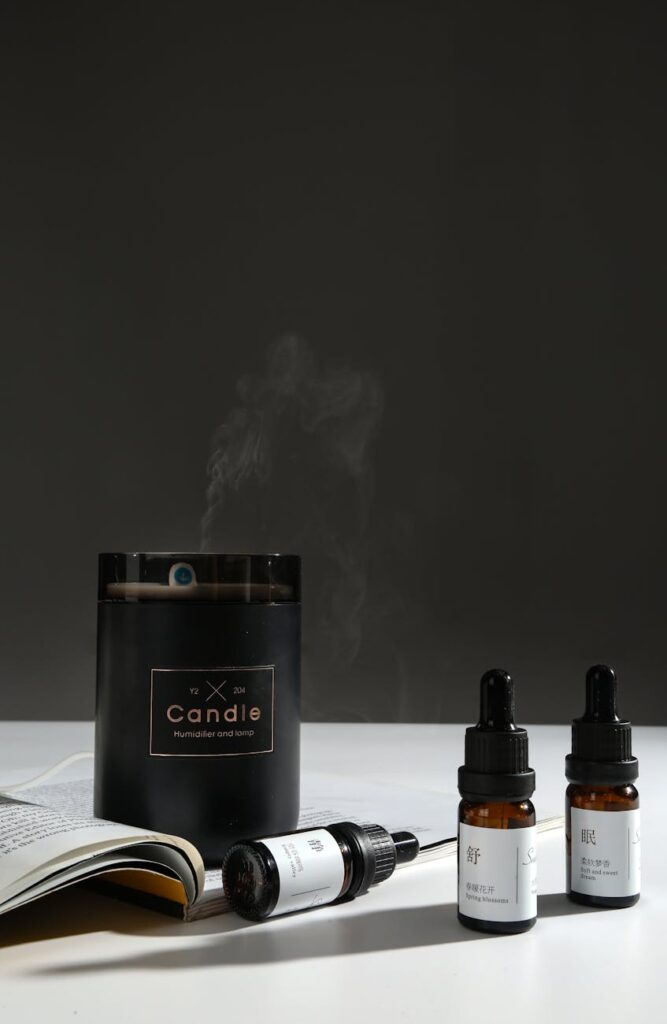
- Diffusion: Using an essential oil diffuser, individuals can disperse the aroma of sleep-inducing oils throughout their sleeping space.
- Topical Application: Diluted blends can be applied to pulse points, such as wrists or temples, allowing for a more intimate and personal experience.
- Bath Soaks: Adding essential oils to a warm bath can create a soothing atmosphere, promoting relaxation before bedtime.
- Pillow Sprays: Creating a spray with essential oils to mist on pillows and linens can help create a calming bedtime environment.
- Lavender (Lavandula angustifolia): Renowned for its calming and sedative properties, lavender is one of the most popular oils used for promoting sleep.
- Chamomile (Matricaria chamomilla): Often used in teas, chamomile essential oil has a sweet, apple-like scent that is beneficial for relaxation and soothing anxious thoughts.
- Bergamot (Citrus bergamia): This citrus oil is known for its uplifting yet calming effects, making it a versatile choice in sleep blends.
- Sandalwood (Santalum album): With its rich and woody aroma, sandalwood is believed to promote relaxation and emotional balance.
- Cedarwood (Cedrus atlantica): The grounding scent of cedarwood is often used to create a serene atmosphere, aiding in stress relief.
- Ylang-Ylang (Cananga odorata): This sweet floral oil can help reduce anxiety and stress, contributing to a more peaceful state before sleep.
- Dark Glass Containers: Essential oils should be stored in dark glass bottles to protect them from light, which can degrade their quality.
- Cool, Dry Place: Keep oils in a cool, dry environment, away from direct sunlight and heat sources.
- Shelf Life: While many essential oils can last for several years, their shelf life varies. Citrus oils tend to have a shorter shelf life (about 1-2 years), while woody oils may last longer (up to 5 years or more).
Aromatherapy Applications
Several essential oils are frequently incorporated into aromatherapy blends for sleep quality. Each oil is selected based on its unique properties and effects:
Safety Considerations
While aromatherapy is generally considered safe, it is essential to take certain precautions to ensure a positive experience:
1. Dilution: Essential oils are highly concentrated and should be diluted before topical application. A common dilution ratio is 2-3 drops of essential oil per teaspoon of carrier oil.
2. Allergies and Sensitivities: Conduct a patch test before using a new essential oil to check for any allergic reactions or sensitivities.
3. Pregnancy and Nursing: Some essential oils may not be suitable for pregnant or nursing women. It is advisable to consult a qualified professional before use.
4. Children and Pets: Specific oils may be harmful to children or pets. Researching the safety of particular oils for these demographics is crucial.
5. Quality of Oils: The quality of essential oils can vary significantly. It is essential to source oils from reputable suppliers to ensure they are pure and free from additives.
Storage and Shelf Life
Proper storage of essential oils is vital to maintaining their potency and effectiveness. Here are some guidelines:
Frequently Asked Questions
1. How do I choose the right essential oil for sleep?
Selecting the right essential oil for sleep depends on personal preference and individual needs. Experimenting with different scents can help identify which oils resonate most with you.
2. Can I mix different essential oils together?
Yes, blending essential oils can enhance their effects. Start with a small number of oils, experimenting to find a combination that is harmonious and effective for your sleep routine.
3. How long does it take for aromatherapy to work?
The effectiveness of aromatherapy can vary from person to person. Some individuals may notice immediate results, while others might take time to feel the benefits. Consistency is key in establishing a nightly routine.
4. Are there any side effects associated with aromatherapy?
While aromatherapy is generally safe, some individuals may experience mild side effects, such as skin irritation or allergic reactions. Always conduct a patch test before topical application.
5. Can I use essential oils with a diffuser while sleeping?
Yes, many people find that using a diffuser while sleeping creates a calming atmosphere. However, ensure that the diffuser is set to a low setting to avoid overwhelming scents during the night.
Conclusion
The use of aromatherapy blends for sleep quality has a rich history rooted in various cultural practices. With a careful selection of essential oils known for their calming and soothing properties, individuals can create a tranquil environment that supports restful sleep. Understanding the applications, benefits, and safety considerations of these blends can empower individuals to incorporate aromatherapy into their nightly routines, fostering an enhanced sense of well-being and promoting rejuvenating rest.