
History and Origins of Aromatherapy Blends for Sleep
Introduction
Aromatherapy is the practice of using natural plant extracts, known as essential oils, to promote physical and emotional well-being. Among its diverse applications, one of the most sought-after benefits is the use of aromatherapy blends for sleep. The history of these blends is rich and intertwined with cultural practices, traditional medicine, and the evolving understanding of the human connection to nature. This article explores the origins of aromatherapy, particularly focusing on its sleep-inducing properties, and how these blends have been cultivated through time.
What Is Aromatherapy Blends for Sleep?
Aromatherapy blends for sleep are combinations of essential oils specifically formulated to promote relaxation and improve sleep quality. While individual essential oils may have distinct properties, blending them can enhance their effects, targeting various aspects of sleep disturbances such as anxiety, restlessness, and insomnia. Common essential oils found in sleep blends include lavender, chamomile, bergamot, and sandalwood, each chosen for its unique calming and sedative properties.
Key Benefits and Properties
The benefits of aromatherapy blends for sleep are numerous and arise from the unique chemical constituents of the essential oils used:
1. Relaxation: Many essential oils possess calming properties that can help to reduce stress and anxiety. For instance, lavender oil is well-known for its ability to promote relaxation and tranquility.
2. Improved Sleep Quality: Certain oils can help to improve the overall quality of sleep, leading to deeper and more restorative rest. For example, studies have indicated that chamomile may aid in enhancing sleep quality.
3. Mood Enhancement: Aromatherapy can elevate mood and reduce feelings of irritability, contributing to a more peaceful night’s sleep. Bergamot oil, in particular, is celebrated for its uplifting yet calming effects.
4. Reduction of Sleep Disturbances: Blends designed for sleep can help to minimize night awakenings and promote a smoother transition into deeper sleep stages.
5. Holistic Benefits: Beyond sleep, these blends can enhance overall well-being by promoting a sense of calm throughout the day and reducing feelings of tension.
Common Uses
Aromatherapy blends for sleep can be utilized in various settings and methods, each tailored to individual preferences:
1. Diffusion: Using an essential oil diffuser is one of the most popular methods for dispersing aromatic compounds into the air, creating a calming environment conducive to sleep.
2. Topical Application: Diluting essential oils in a carrier oil and applying them to pulse points or areas of tension can provide localized benefits. Common areas include the wrists, neck, and temples.
3. Bathing: Adding essential oils to bathwater can create a soothing ritual that prepares the body and mind for sleep. This practice also allows for the absorption of oils through the skin.
4. Pillow Sprays: Creating a pillow spray with sleep-inducing essential oils can enhance the sleep environment, making it more inviting and restful.
5. Sleep Masks and Sachets: Infusing sleep masks or sachets with calming essential oils can provide a consistent aromatic experience throughout the night.
Aromatherapy Applications
The application of aromatherapy blends for sleep is deeply rooted in historical practices. Ancient civilizations utilized aromatic herbs and oils for relaxation and sleep:
- Ancient Egypt: The Egyptians used a variety of essential oils in their embalming rituals and daily life for their calming properties. Oils such as myrrh and frankincense were highly valued for their aromatic qualities.
- Traditional Chinese Medicine: In ancient China, the use of herbs and essential oils played a crucial role in promoting overall health and balance. Certain blends were specifically crafted to alleviate insomnia and promote relaxation.
- Greek and Roman Cultures: The Greeks and Romans incorporated aromatic plants into baths and relaxation rituals. Notably, Hippocrates, often referred to as the father of medicine, recognized the therapeutic effects of various plants, including lavender.
- Middle Ages: During this period, essential oils were often used for their antimicrobial properties and were believed to ward off illness. The calming effects of certain oils were also utilized in herbal remedies for sleep.
- Modern Era: The formalization of aromatherapy as a distinct practice began in the 20th century, with the work of French chemist René-Maurice Gattefossé, who coined the term “aromatherapy.” His research laid the groundwork for the therapeutic use of essential oils, including those for sleep.
Safety Considerations
While aromatherapy is generally considered safe, several precautions should be observed when using essential oils, especially for sleep:
1. Quality of Oils: Always choose high-quality, pure essential oils sourced from reputable suppliers. Adulterated or synthetic oils may not provide the desired effects and could potentially cause adverse reactions.
2. Dilution: Essential oils are highly concentrated and should be diluted with a carrier oil before topical application. Common carrier oils include sweet almond, jojoba, and coconut oil.
3. Allergies and Sensitivities: Conduct a patch test before using a new essential oil to check for any allergic reactions. Some individuals may be sensitive to specific oils.
4. Pregnancy and Medical Conditions: Pregnant women and individuals with specific medical conditions should consult a healthcare professional before using essential oils, as some oils may not be suitable.
5. Children and Pets: Special care should be taken when using essential oils around children and pets. Certain oils may not be safe for young children or animals.
Storage and Shelf Life
Proper storage of essential oils is crucial for maintaining their efficacy and longevity:
1. Dark Glass Containers: Essential oils should be stored in dark glass bottles to protect them from light, which can degrade their quality.
2. Cool, Dry Place: Keep oils in a cool, dry environment away from direct sunlight and heat sources to prolong their shelf life.
3. Expiration: Most essential oils have a shelf life of 1 to 3 years, depending on the type. Citrus oils, for example, may have a shorter shelf life than woody or resinous oils. Regularly check oils for changes in scent or appearance that may indicate they have gone rancid.
Frequently Asked Questions
1. Can aromatherapy blends for sleep help with insomnia?
Aromatherapy blends can promote relaxation and create a calming environment, which may help with sleep disturbances. However, individuals experiencing chronic insomnia should consult a healthcare professional for comprehensive treatment.
2. How do I create my own sleep blend?
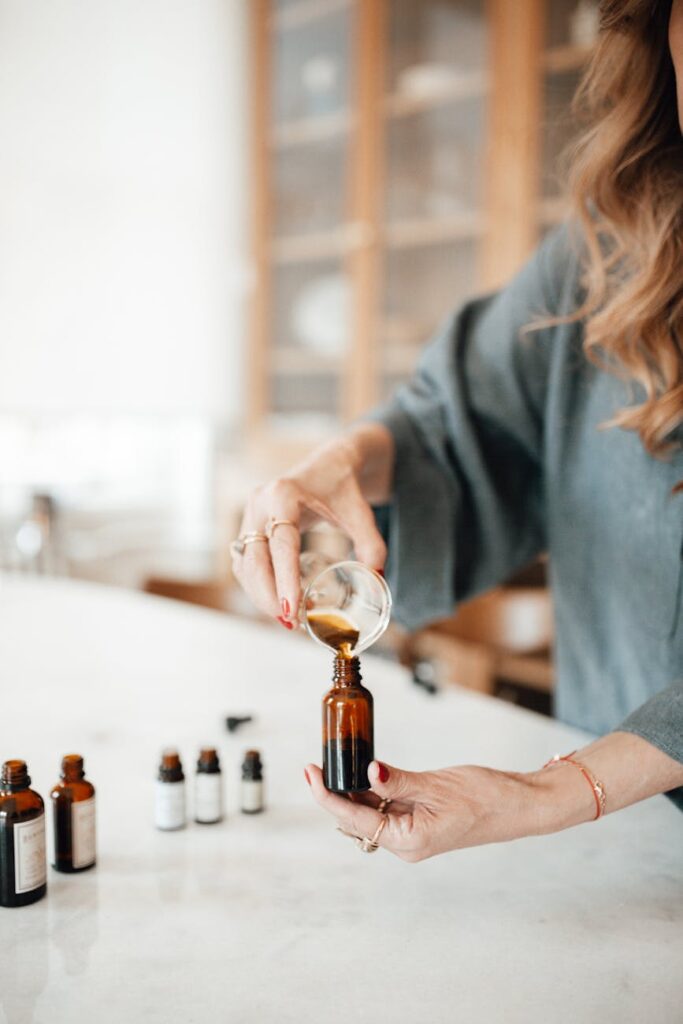
To create a sleep blend, start with a base of calming oils like lavender or chamomile. Combine a few drops of each essential oil in a carrier oil or diffuser blend, adjusting ratios to suit personal preferences.
3. Are there any essential oils to avoid for sleep?
While many essential oils are beneficial for sleep, some stimulating oils, such as peppermint or citrus oils, may not be suitable for bedtime use. It’s best to stick to calming oils for sleep blends.
4. How long does the aroma last in a diffuser?
The duration of the aroma in a diffuser depends on the type of diffuser used and the amount of essential oil added. Generally, the scent can last from a few hours to an entire night, depending on the settings and oil concentration.
5. Can I use essential oils in a humidifier?
It’s essential to check the manufacturer’s instructions, as not all humidifiers are designed for essential oil use. If compatible, a few drops of essential oil can enhance the aromatic experience.
Conclusion
The history and origins of aromatherapy blends for sleep highlight a rich tapestry of cultural practices and therapeutic applications. As contemporary society continues to seek natural solutions for sleep disturbances, the practice of aromatherapy remains a valuable tool. By understanding the benefits, applications, and safety considerations of these blends, individuals can enhance their sleep experience holistically, fostering a deeper connection to the restorative power of nature.