
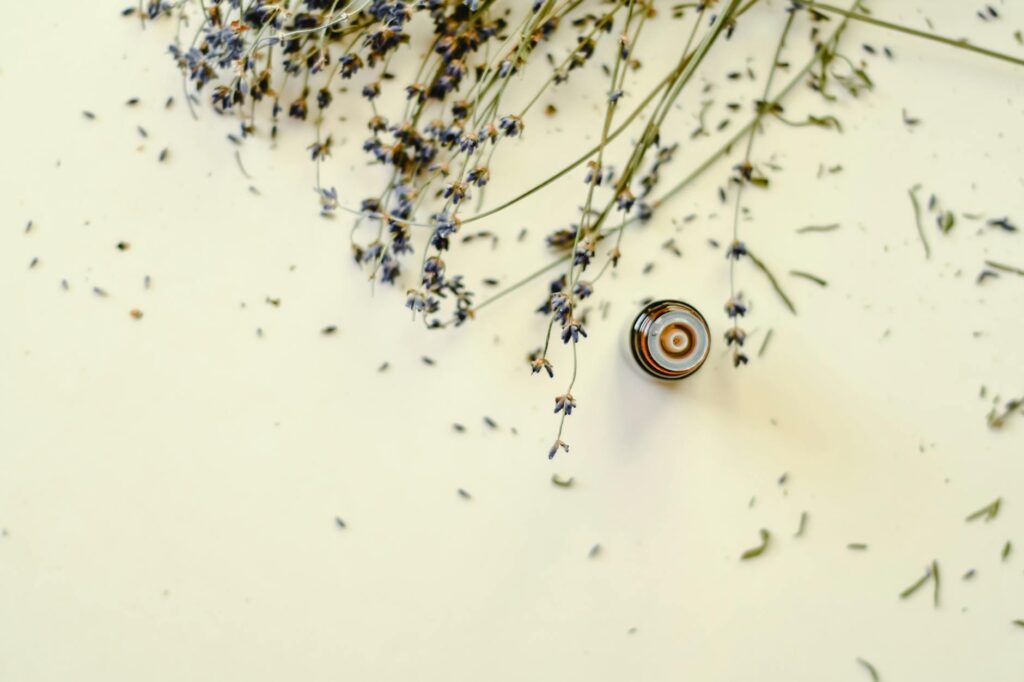
History and Origins of Aromatherapy Blends for Stress Reduction
Introduction
Aromatherapy, the practice of using essential oils to enhance physical and emotional well-being, has a rich history that dates back thousands of years. Among the various applications of aromatherapy, stress reduction is one of the most widely recognized and sought-after benefits. This article explores the historical context and origins of aromatherapy blends specifically designed for stress relief, their key benefits, common uses, applications, and safety considerations.
What Is Aromatherapy Blends for Stress Reduction?
Aromatherapy blends for stress reduction typically consist of a combination of essential oils that possess calming and soothing properties. These blends are crafted to evoke feelings of relaxation and tranquility, making them popular in various settings, including homes, wellness centers, and spas.
Essential oils, which are concentrated plant extracts, are derived from various parts of plants such as leaves, flowers, bark, and roots. When used in specific combinations, these oils can create synergistic effects that enhance their individual benefits. Common essential oils utilized in stress-reducing blends include lavender, chamomile, bergamot, and frankincense, among others.
Key Benefits and Properties
The benefits of aromatherapy blends for stress reduction are well-documented, with many users reporting enhanced feelings of calmness and relaxation. The key properties of these blends may include:
- Calming: Many essential oils in stress reduction blends are known for their ability to calm the mind and reduce feelings of anxiety.
- Mood Elevation: Certain oils can uplift the spirits and promote an overall sense of well-being.
- Physical Relaxation: Aromatherapy may help relax tight muscles and alleviate stress-related tension in the body.
- Sleep Improvement: Some blends can promote better sleep quality, which is often compromised by stress.
- Diffusion: Using an essential oil diffuser, blends can be dispersed into the air, filling a room with calming scents.
- Massage: When diluted in a carrier oil, stress-reducing blends can be used during massage therapy to promote relaxation in both the mind and body.
- Inhalation: Direct inhalation from the bottle or a personal inhaler allows for immediate access to the calming properties of essential oils.
- Bathing: Adding essential oil blends to bathwater can create a serene and therapeutic bathing experience.
- Dark Glass Containers: Essential oils should be stored in dark glass bottles to protect them from light exposure, which can degrade their quality.
- Cool, Dry Places: Store essential oils in a cool, dry location away from direct sunlight and heat sources.
- Shelf Life: The shelf life of essential oils varies depending on the type. Citrus oils generally have a shorter shelf life (approximately 1-2 years), while oils like sandalwood and patchouli can last longer (up to several years).
Common Uses
Aromatherapy blends for stress reduction can be used in various ways, making them versatile tools for enhancing well-being. Common applications include:
Aromatherapy Applications
The applications of aromatherapy blends for stress reduction are diverse, and they can be tailored to individual preferences and needs. Here are some common methods of application:
1. Diffusers
Aromatherapy diffusers are devices that disperse essential oils into the air, creating an aromatic atmosphere. Electric diffusers, reed diffusers, and nebulizers are popular choices, each offering unique benefits. For stress reduction, blends featuring lavender, frankincense, and chamomile are often used in diffusers.
2. Topical Application
When blended with a carrier oil, essential oils can be applied directly to the skin. This method allows the oils to be absorbed into the bloodstream and can be particularly effective for localized areas of tension, such as the neck and shoulders. Common carrier oils include sweet almond oil, jojoba oil, and coconut oil.
3. Inhalers
Personal inhalers are portable devices that allow users to inhale essential oils directly. This method is especially useful for on-the-go stress relief, as it provides immediate access to calming scents. A few drops of the stress-reducing blend can be added to the inhaler wick.
4. Baths
Adding essential oil blends to a warm bath can enhance relaxation and help alleviate stress. To prevent the oils from floating on the surface, they should be mixed with a dispersing agent, such as Epsom salts or a neutral carrier oil, before being added to the bathwater.
Safety Considerations
While aromatherapy can be highly beneficial, it is essential to use essential oils safely. Here are some safety considerations to keep in mind:
1. Dilution: Always dilute essential oils with a carrier oil before applying them to the skin to prevent irritation. A general guideline is to use a dilution ratio of 1% for adults.
2. Allergy Testing: Conduct a patch test by applying a small amount of diluted oil to a small area of skin to check for allergic reactions or sensitivities.
3. Pregnancy and Medical Conditions: Pregnant women and individuals with specific medical conditions should consult with a qualified healthcare professional before using essential oils.
4. Children and Pets: Some essential oils are not suitable for children or pets. Ensure to research which oils are safe for these groups before use.
Storage and Shelf Life
Proper storage of essential oils is crucial for maintaining their potency and effectiveness. Here are some guidelines for storage and shelf life:
Frequently Asked Questions
1. What essential oils are best for stress reduction?
Common essential oils known for their stress-reducing properties include lavender, bergamot, chamomile, frankincense, and ylang-ylang. These oils can be blended to create effective aromatherapy blends.
2. How can I create my own stress-reducing blend?
To create your own blend, choose 2-4 essential oils that promote relaxation and calmness. Start by mixing a few drops of each oil in a carrier oil or diffuser. Adjust the ratios until you achieve a scent that appeals to you.
3. Can aromatherapy replace traditional stress management techniques?
While aromatherapy can enhance relaxation and contribute to stress relief, it should not replace traditional stress management techniques such as therapy, exercise, or mindfulness practices. It is often most effective when used in conjunction with other methods.
4. How often can I use aromatherapy for stress reduction?
Aromatherapy can be used as often as needed. Many individuals incorporate aromatherapy into their daily routines, utilizing it during moments of stress, before bedtime, or as part of a relaxation ritual.
5. Are there any adverse effects of using essential oils?
While essential oils are generally safe when used appropriately, some individuals may experience allergic reactions or skin sensitivities. Always conduct a patch test and consult with a healthcare professional if you have concerns.
Conclusion
The history and origins of aromatherapy blends for stress reduction reveal a time-honored practice rooted in the understanding of the healing properties of plants. With their ability to promote relaxation, elevate mood, and enhance overall well-being, these blends continue to be a cherished tool for stress management in today’s fast-paced world. By understanding their applications, benefits, and safety considerations, individuals can harness the power of aromatherapy to cultivate a more tranquil and balanced life.