
History and Origins of Aromatherapy Blends for Travel Anxiety
Introduction
Aromatherapy, a practice that utilizes essential oils derived from plants for therapeutic benefits, has deep historical roots that span across various cultures and civilizations. Among its many applications, aromatherapy blends for travel anxiety have gained significant attention, particularly in today’s fast-paced world where travel is commonplace yet often fraught with stress. This article explores the historical context, ingredients, benefits, and applications of these soothing blends, providing a comprehensive overview for those interested in harnessing the power of aromatherapy for travel-related unease.
What Is Aromatherapy Blends for Travel Anxiety?
Aromatherapy blends for travel anxiety specifically refer to combinations of essential oils designed to alleviate feelings of stress, unease, and nervousness associated with traveling. These blends typically include oils known for their calming and grounding properties, such as lavender, chamomile, and bergamot. The practice of using these oils aims to create a sense of comfort and tranquility during travel, whether one is on a plane, train, or automobile.
The concept of using scents to influence mood and behavior dates back thousands of years. Ancient civilizations, including the Egyptians and Greeks, recognized the impact of aromatic plants on emotional and physical well-being, paving the way for contemporary aromatherapy practices.
Key Benefits and Properties
Emotional Support
One of the primary benefits of aromatherapy blends for travel anxiety is emotional support. Essential oils can evoke positive emotions and help mitigate feelings of fear or apprehension. For instance:
- Lavender: Known for its calming properties, lavender oil can reduce anxiety and promote relaxation.
- Bergamot: This citrus oil has uplifting qualities that can help alleviate feelings of sadness or worry.
- Air Travel: Many people experience heightened anxiety during flights. Using a calming blend in a personal inhaler or diffuser can create a soothing environment.
- Road Trips: Long drives can lead to restlessness. Applying a blend to pulse points can provide comfort and reduce tension during the journey.
- Train Travel: The close quarters and noise of trains can be overwhelming. Aromatherapy can create a personal oasis amidst the hustle and bustle.
- Dilution: Always dilute essential oils with a carrier oil before applying to the skin to avoid irritation.
- Patch Test: Conduct a patch test on a small area of skin to check for any adverse reactions before widespread use.
- Consultation: For individuals with specific health conditions or those who are pregnant or nursing, consulting a healthcare provider before using essential oils is advisable.
- Cool, Dark Place: Store essential oils in a cool, dark place to prevent degradation from heat and light.
- Tight Sealing: Ensure that the bottles are tightly sealed to avoid oxidation.
- Shelf Life: Most essential oils have a shelf life of 1 to 3 years, depending on the oil. Citrus oils typically have a shorter shelf life, while oils like patchouli and sandalwood can last longer.
Physical Relaxation
In addition to emotional support, certain essential oils can promote physical relaxation. Oils such as chamomile and ylang ylang can help ease muscle tension and promote a sense of physical well-being, making them valuable additions to an aromatherapy blend.
Enhanced Focus
Travel can often lead to distractions and difficulties in concentrating. Some essential oils, such as rosemary, are known to enhance cognitive function and alertness, potentially helping travelers maintain focus during their journeys.
Common Uses
Aromatherapy blends for travel anxiety can be utilized in various scenarios, including:
Aromatherapy Applications
Personal Inhalers
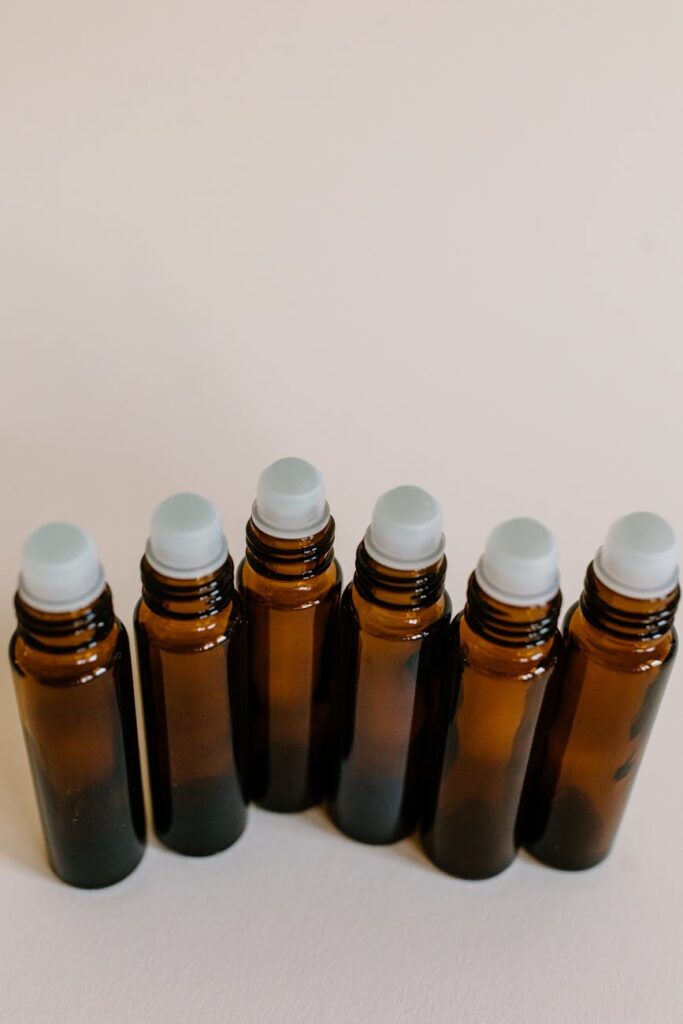
One of the most convenient ways to use aromatherapy blends for travel anxiety is through personal inhalers. These small devices allow travelers to carry their favorite scents easily. To create a personal inhaler, combine a few drops of essential oils with a carrier oil in a small vial, and inhale as needed.
Diffusers
Portable diffusers are another effective application. Many travel-sized diffusers are available, allowing users to disperse calming scents in hotel rooms or other temporary accommodations.
Topical Applications
Blending essential oils with a carrier oil (such as jojoba or coconut oil) creates a topical application that can be rubbed onto pulse points, such as the wrists or neck. This method allows for the direct absorption of the oils, promoting relaxation.
Bath Soaks
For those who prefer to unwind before a trip, adding a few drops of essential oils to a warm bath can create a serene atmosphere. This method is best used when time allows for a leisurely soak in preparation for travel.
Safety Considerations
While aromatherapy is generally considered safe, it is essential to follow certain guidelines to ensure safe usage:
Storage and Shelf Life
Proper storage is critical to maintaining the efficacy of essential oils. Here are some guidelines:
Frequently Asked Questions
Can anyone use aromatherapy blends for travel anxiety?
While most individuals can safely use essential oils, those with specific health conditions, pregnant or nursing women, and children should consult a healthcare provider for personalized advice.
How do I choose the right blend for me?
Selecting the right blend often requires personal experimentation. Consider your emotional responses to specific scents and choose oils that resonate with you. Popular choices for travel anxiety include lavender, chamomile, and bergamot.
Are there any specific blends recommended for air travel?
Common blends for air travel often include lavender, for its calming properties, and peppermint, which can help alleviate feelings of nausea associated with flying. A combination of these oils in a personal inhaler can be particularly effective.
How long can I store my aromatherapy blends?
As mentioned, the shelf life of essential oils can vary. Generally, oils should be used within 1 to 3 years. However, for the best results, it’s advisable to use them within a year of opening.
Can aromatherapy replace traditional anxiety treatments?
Aromatherapy can be a complementary approach to managing anxiety but should not replace traditional treatments prescribed by a healthcare professional. It is essential to maintain open communication with healthcare providers regarding anxiety management strategies.
Conclusion
The rich history of aromatherapy and its application in alleviating travel anxiety reveals a profound connection between scent, emotion, and well-being. By understanding the origins, benefits, and practical applications of aromatherapy blends, travelers can harness the calming power of essential oils to create a more serene and enjoyable travel experience. Whether through personal inhalers, diffusers, or topical applications, the thoughtful use of these natural products can provide a much-needed respite from the stresses of travel.