
History and Origins of Aromatherapy Diffusers
Introduction
Aromatherapy, the practice of using essential oils for therapeutic benefits, has captivated cultures across the globe for thousands of years. One of the essential tools in this practice is the aromatherapy diffuser, an apparatus designed to disperse essential oils into the air. This article delves into the history and origins of aromatherapy diffusers, tracing their evolution from ancient practices to modern innovations.
What Is Aromatherapy Diffusers?
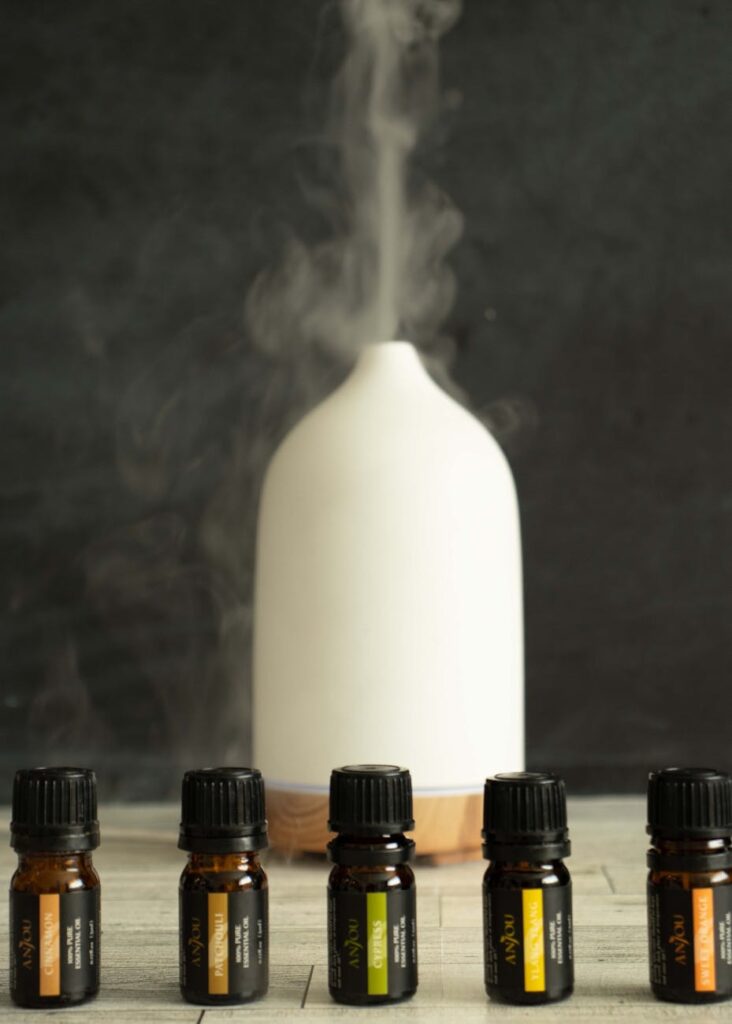
Aromatherapy diffusers are devices that disperse essential oils into the air, allowing the fragrance to permeate a space. They can come in various forms, including ultrasonic, heat-based, evaporative, and nebulizing diffusers. Each type operates differently but shares the common goal of enhancing the aromatic experience and promoting the benefits of essential oils.
Types of Diffusers
1. Ultrasonic Diffusers: These use ultrasonic waves to create a fine mist of water and essential oils, making them popular for their dual benefits of humidifying the air.
2. Heat Diffusers: These utilize heat to evaporate essential oils. While effective, they may alter the chemical composition and therapeutic properties of the oils.
3. Evaporative Diffusers: These involve a fan that blows air through a pad or filter soaked in essential oils, causing the oils to evaporate and disperse.
4. Nebulizing Diffusers: These use pressurized air to create a fine mist of undiluted essential oils, providing a potent and unaltered aroma.
Key Benefits and Properties
Aromatherapy diffusers serve various purposes, both functional and experiential. Some of the benefits include:
- Air Quality Improvement: Diffusing essential oils can purify the air, reducing odors and airborne pathogens.
- Mood Enhancement: Specific essential oils can help uplift the spirit, promote relaxation, or stimulate focus, contributing to emotional well-being.
- Stress Relief: The calming effects of certain scents can aid in reducing stress and anxiety levels.
- Sleep Aid: Some oils, like lavender, are known for their sleep-promoting properties when diffused before bedtime.
- Holistic Wellness: The practice of aromatherapy supports the mind-body connection, fostering a sense of balance and tranquility.
- Personal Spaces: Many individuals use diffusers in bedrooms, living rooms, or workspaces to create a pleasant environment and enhance mood.
- Therapeutic Settings: In therapeutic contexts, diffusers may be employed in practices like massage therapy, yoga, or meditation to deepen relaxation and focus.
- Seasonal Use: Certain essential oils are favored during specific seasons—citrus oils in summer for freshness or pine oils in winter for a cozy atmosphere.
- Events and Gatherings: Diffusers can be used at social events to create a welcoming ambiance, inviting guests to enjoy the aromatic experience.
- Relaxation and Stress Relief: Oils like chamomile and sandalwood can be diffused to promote relaxation after a long day.
- Mental Clarity and Focus: Citrus oils, peppermint, and rosemary are often used to enhance concentration and mental clarity, making them suitable for study or work environments.
- Emotional Balance: Oils such as bergamot and frankincense can help in managing emotional states, aiding in grounding and centering practices.
- Support for Routine Activities: Diffusers can enhance routines by creating an inviting atmosphere during yoga, meditation, or family gatherings.
- Quality of Essential Oils: Always use high-quality, pure essential oils from reputable sources to avoid synthetic additives.
- Dilution: Some diffusers require dilution of essential oils with a carrier oil or water. Follow the manufacturer’s guidelines for proper ratios.
- Allergies and Sensitivities: Individuals with allergies or sensitivities should conduct a patch test before using a new oil. It is essential to be aware of any known allergies.
- Children and Pets: Certain oils may not be suitable for use around children or pets. Researching and consulting reliable sources for guidance is recommended.
- Ventilation: Ensure that the space is well-ventilated while diffusing essential oils to prevent overwhelming scents.
- Storage Conditions: Essential oils should be stored in a cool, dark place, away from direct sunlight and heat. Amber or cobalt glass bottles are ideal for protecting oils from light.
- Shelf Life: The shelf life of essential oils can vary. Generally, citrus oils have a shorter shelf life (6 months to 1 year), while oils like sandalwood and patchouli can last for several years if stored correctly.
- Diffuser Maintenance: Regular cleaning of diffusers is essential to prevent buildup and ensure optimal performance. Following the manufacturer’s instructions for cleaning and maintenance will help extend the lifespan of the device.
Common Uses
Aromatherapy diffusers are used in various settings, from homes and offices to spas and wellness centers. Their versatility allows for a range of applications, including:
Aromatherapy Applications
The application of aromatherapy through diffusers can be tailored to individual needs and preferences. Some common applications include:
Safety Considerations
While aromatherapy diffusers are generally safe when used correctly, certain precautions are advisable:
Storage and Shelf Life
Proper storage of essential oils and diffusers is crucial to maintaining their efficacy and longevity. Here are some guidelines:
Frequently Asked Questions
Q1: How long can I run my diffuser?
A: The duration for which you can run a diffuser depends on the type and the essential oils used. Most diffusers have timers or settings ranging from 30 minutes to several hours. It is advisable to take breaks, especially with strong oils.
Q2: Can I use multiple essential oils in my diffuser?
A: Yes, blending essential oils can create unique aromatic experiences. However, it’s essential to research which oils complement each other and to use appropriate ratios.
Q3: Are there any essential oils that should not be used in diffusers?
A: Yes, certain oils, such as cinnamon bark and clove, can be irritating when diffused. Always consult reliable sources and consider individual sensitivities before use.
Q4: Is it safe to sleep with a diffuser running?
A: Many people find it beneficial to diffuse calming oils like lavender before bedtime. However, ensure your diffuser has an automatic shut-off feature to prevent running all night.
Q5: How can I enhance the effectiveness of my diffuser?
A: To enhance effectiveness, maintain proper water levels, use high-quality essential oils, and keep the diffuser clean. Experimenting with different oils and blends can also yield diverse aromatic experiences.
Conclusion
The history and origins of aromatherapy diffusers highlight their significance in enhancing the practice of aromatherapy. From ancient civilizations to modern-day wellness enthusiasts, diffusers have evolved as a vital tool for promoting relaxation, emotional balance, and overall well-being. Understanding the various types, benefits, and applications of aromatherapy diffusers allows individuals to harness the power of essential oils effectively. By adhering to safety guidelines and storage practices, one can enjoy the aromatic experience for years to come.