
History and Origins of Aromatherapy for Burnout Prevention Blends
Introduction
Aromatherapy, the practice of using essential oils derived from plants for therapeutic purposes, has roots that stretch back thousands of years. As modern society grapples with increasing levels of stress and burnout, the relevance of aromatherapy has surged. This article explores the history and origins of aromatherapy, particularly in the context of blends designed to mitigate burnout. By understanding the evolution of this practice, one can appreciate its role in contemporary wellness strategies.
What Is Aromatherapy for Burnout Prevention Blends?
Aromatherapy for burnout prevention blends involves the use of specific essential oils to help alleviate feelings of exhaustion, overwhelm, and emotional fatigue. These blends are crafted to promote relaxation, enhance mood, and rejuvenate the spirit. The essential oils used can vary widely, each offering unique properties and benefits that cater to the needs of individuals experiencing burnout.
Historically, aromatherapy has been employed in various cultures as a holistic approach to health and well-being, and its application for stress management has gained particular attention in recent years. Burnout, characterized by chronic stress and emotional depletion, has emerged as a significant concern in modern life, making the exploration of these aromatic remedies increasingly pertinent.
Key Benefits and Properties
The essential oils used in burnout prevention blends possess various therapeutic properties that contribute to their effectiveness. Some of the key benefits include:
- Stress Reduction: Many essential oils are known for their calming effects on the mind and body. Oils such as lavender and chamomile are often used to reduce anxiety and promote a sense of tranquility.
- Mood Enhancement: Citrus oils like bergamot and sweet orange are renowned for their uplifting properties, helping to alleviate feelings of sadness and improve overall mood.
- Mental Clarity: Essential oils such as rosemary and peppermint are believed to enhance focus and cognitive function, aiding those who may feel mentally drained.
- Emotional Support: Oils like frankincense and ylang-ylang are often utilized for their grounding and comforting properties, which can help individuals reconnect with their emotions.
- Physical Relaxation: Oils such as marjoram and cedarwood are known for their muscle-relaxing properties, which can help ease tension stored in the body.
- Diffusion: Using an essential oil diffuser, individuals can disperse the aromatic compounds in a room, creating a calming environment conducive to relaxation and focus.
- Topical Application: When diluted with a carrier oil, essential oils can be applied to pulse points or massaged into the skin. This method allows for direct absorption of the oils’ beneficial properties.
- Inhalation: Simply inhaling essential oils directly from the bottle or a cotton ball can provide immediate relief from stress and anxiety.
- Bathing: Adding essential oils to a warm bath can create a soothing experience, allowing the individual to unwind both physically and mentally.
- Pillow Sprays: Spraying a blend on pillows or bedding can help create a calming atmosphere conducive to restful sleep.
- Dilution: Essential oils are highly concentrated and should be diluted with a carrier oil before topical application to avoid skin irritation.
- Allergies: Always perform a patch test to check for any allergic reactions prior to using a new essential oil.
- Pregnancy and Health Conditions: Pregnant individuals and those with specific health conditions should consult a qualified professional before using essential oils, as some may not be safe during pregnancy or may interact with medications.
- Quality of Oils: Opt for high-quality, pure essential oils from reputable suppliers to ensure safety and efficacy.
- Cool, Dark Place: Store essential oils away from direct sunlight and heat sources, as these can degrade the oils over time.
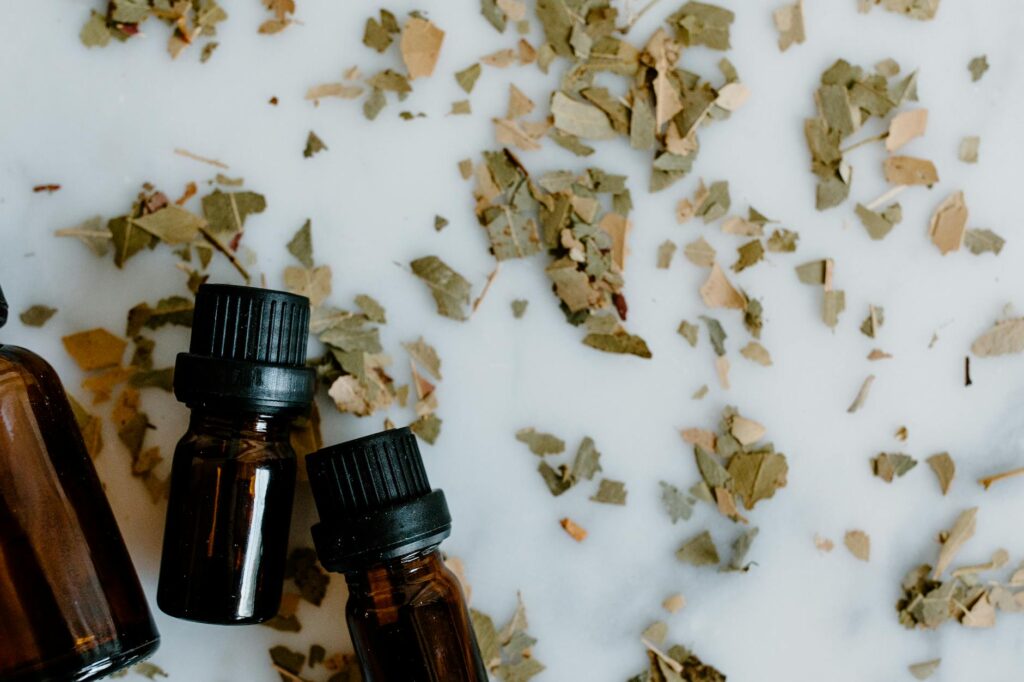
- Tightly Sealed Containers: Keep oils in their original dark glass bottles with tight-fitting caps to prevent oxidation.
- Shelf Life: While some essential oils can last several years, others may have a shorter shelf life. Citrus oils, for example, typically last about one to two years, while oils like sandalwood can last for several years if stored properly.
Common Uses
Aromatherapy blends for burnout prevention can be used in various ways, depending on individual preferences and circumstances. Common uses include:
Aromatherapy Applications
The application of aromatherapy for burnout prevention is diverse, and the following methods highlight some popular approaches:
1. Personal Inhalers
Personal inhalers are portable devices that allow individuals to carry their favorite essential oil blends with them. They can be used during stressful moments throughout the day, providing immediate access to calming scents.
2. Massage Oils
Creating a massage oil blend using essential oils known for their relaxing properties can be an effective way to relieve physical tension while simultaneously addressing emotional stress.
3. Room Sprays
Aromatherapy room sprays can be made by diluting essential oils in water or a carrier base. Spraying these blends throughout living or workspaces can help create a serene atmosphere.
4. Scented Candles
Incorporating essential oils into homemade candles can enhance the ambiance of a space. The gentle flicker of candlelight combined with aromatic scents can foster relaxation.
5. Aromatherapy Jewelry
Diffuser necklaces or bracelets allow individuals to wear essential oils close to their bodies, providing a continuous source of calming aromatherapy throughout the day.
Safety Considerations
When exploring aromatherapy, especially for burnout prevention, it is essential to consider safety guidelines:
Storage and Shelf Life
Proper storage of essential oils is crucial to maintain their integrity and effectiveness. Here are some guidelines:
Frequently Asked Questions
1. What essential oils are best for burnout prevention?
Common essential oils used in burnout prevention blends include lavender, bergamot, chamomile, rosemary, and frankincense, among others. Each oil offers unique benefits that can help alleviate stress and promote relaxation.
2. Can I create my own burnout prevention blend?
Yes, creating a personalized blend can be a rewarding experience. Begin with a base oil and select essential oils based on your preferences and desired effects. Always follow safety guidelines regarding dilution.
3. How often should I use aromatherapy for burnout prevention?
The frequency of use can vary based on individual needs and circumstances. Many people find benefit in using aromatherapy daily, particularly during high-stress situations.
4. Are there any side effects of using essential oils?
While essential oils are generally considered safe when used properly, misuse or overuse can lead to adverse reactions, such as skin irritation or sensitivity. Always dilute oils for topical use and conduct patch tests.
5. Is aromatherapy a substitute for professional help?
Aromatherapy can be a valuable complementary approach for stress management, but it should not replace professional mental health support when needed. If feelings of burnout persist, seeking guidance from a mental health professional is advisable.
Conclusion
The history of aromatherapy is rich and diverse, dating back to ancient civilizations that recognized the profound effects of aromatic plants on human health. As burnout continues to be a pressing issue in modern society, the application of aromatherapy offers a holistic approach to alleviate stress and promote well-being. By understanding the origins, benefits, and safe practices surrounding aromatherapy for burnout prevention blends, individuals can harness the power of nature to enhance their quality of life.