
History and Origins of Aromatherapy for Digestive Health Blends
Introduction
Aromatherapy, the practice of using essential oils for therapeutic purposes, has a rich tapestry woven through centuries of history. While its contemporary applications span various health and wellness domains, one area of increasing interest is digestive health. This article explores the history and origins of aromatherapy with a specific focus on blends designed to support digestive health. By understanding the historical context, we can better appreciate the role of essential oils in managing digestive issues today.
What Is Aromatherapy for Digestive Health Blends?
Aromatherapy employs the aromatic compounds found in essential oils to promote physical and emotional well-being. Digestive health blends typically comprise specific essential oils known for their soothing, anti-inflammatory, and digestive-supporting properties. These blends are often formulated to alleviate common digestive discomforts such as bloating, indigestion, and nausea.
Historically, various cultures have employed aromatic plants and oils to support digestion. Traditional practices often relied on the natural properties of these plants, paving the way for modern aromatherapy applications.
Key Benefits and Properties
Essential oils used in digestive health blends are believed to possess various beneficial properties. Some of the key benefits include:
1. Antimicrobial Properties: Certain oils, such as oregano and thyme, have been shown to possess antimicrobial properties, which may help combat harmful bacteria in the digestive tract.
2. Anti-inflammatory Effects: Oils like ginger and peppermint can help reduce inflammation, potentially providing relief from gastrointestinal discomfort.
3. Digestive Stimulation: Oils such as fennel and coriander may stimulate digestive enzymes, enhancing nutrient absorption and easing digestion.
4. Calming Effects: Many essential oils, including chamomile and lavender, are known for their calming properties, which can help alleviate stress-related digestive issues.
5. Nausea Relief: Peppermint and ginger are particularly noteworthy for their ability to relieve feelings of nausea, making them popular choices in aromatherapy for digestive health.
Common Uses
Aromatherapy for digestive health can be employed in various ways, each aimed at addressing specific digestive concerns. Common uses include:
- Inhalation: Diffusing essential oils or inhaling them directly can offer quick relief from digestive discomfort, particularly nausea and bloating.
- Topical Application: Blending essential oils with a carrier oil and applying them to the abdomen may help relieve localized digestive pain or discomfort.
- Bathing: Adding essential oils to a warm bath can create a soothing environment that aids relaxation and may help ease digestive symptoms.
- Culinary Use: Some essential oils, like peppermint and ginger, can also be used in culinary applications, although they must be food-grade and used in moderation.
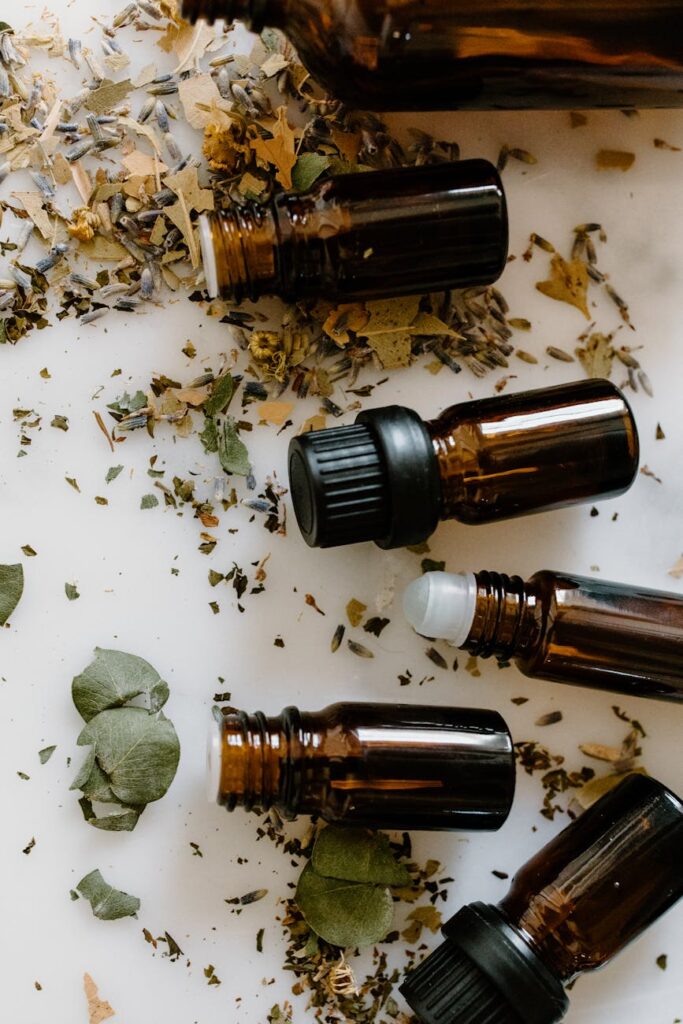
- Containers: Store essential oils in dark glass bottles to protect them from light exposure, which can degrade their quality.
- Temperature: Keep oils in a cool, dry place, away from heat sources.
- Shelf Life: The shelf life of essential oils varies by type. Generally, citrus oils have a shorter shelf life (1-2 years), while more resinous oils may last longer (up to 5 years). Regularly check for any changes in aroma or appearance.
Aromatherapy Applications
Diffusion
Diffusion is one of the most popular methods of using essential oils for digestive health. Utilizing a diffuser, essential oils can be dispersed in the air, allowing for inhalation. Oils like peppermint, ginger, and chamomile are particularly effective in this medium, providing a gentle yet powerful aromatic experience.
Topical Application
For localized relief, essential oils can be diluted in a carrier oil, such as fractionated coconut oil or jojoba oil, and massaged into the abdomen. A common blend might include oils such as ginger, fennel, and lavender, known for their synergistic effects on digestive comfort.
Bathing
Bathing with essential oils can be a holistic approach to easing digestive discomfort. Adding a few drops of digestive-supporting oils to a warm bath can create a relaxing environment, allowing the body to absorb the oils through the skin while benefiting from the aromatic experience.
Ingestion
While some essential oils can be ingested, this method should be approached with caution and only under the guidance of a qualified professional. Culinary-grade essential oils such as peppermint and ginger may be added to food or beverages in moderation for digestive support.
Safety Considerations
While aromatherapy is generally considered safe, there are important safety considerations to keep in mind:
1. Dilution: Essential oils are highly concentrated, and undiluted application can lead to skin irritation. Always dilute essential oils with a carrier oil before topical use.
2. Quality of Oils: Using high-quality, pure essential oils is crucial. Look for oils that are certified organic and free from synthetic additives.
3. Sensitivity: Individuals may have sensitivities or allergies to certain essential oils. Conduct a patch test before widespread topical application.
4. Pregnancy and Nursing: Some essential oils may not be safe for use during pregnancy or while nursing. Always consult a healthcare provider for guidance.
5. Medical Conditions: Individuals with specific medical conditions should consult with a qualified healthcare provider before using essential oils, especially for ingestion.
Storage and Shelf Life
Proper storage of essential oils is vital to maintain their efficacy and safety. Here are some guidelines:
Frequently Asked Questions
1. Can essential oils really help with digestive issues?
While many people find relief using essential oils, scientific evidence varies. Essential oils may offer supportive benefits, but they should not replace conventional medical advice or treatment.
2. How do I choose the right essential oils for digestive health?
Selecting oils depends on individual preferences and specific digestive concerns. Common choices include peppermint, ginger, fennel, and chamomile. Researching each oil’s properties can help guide your selection.
3. Can I use essential oils on children?
Some essential oils can be safe for children, but they must be diluted appropriately and chosen carefully. Always consult with a healthcare provider for age-appropriate oils and dosages.
4. Are there any contraindications for using essential oils?
Yes, certain essential oils may interact with medications or exacerbate specific health conditions. It is essential to consult with a healthcare professional before use.
5. How often can I use essential oils for digestive health?
Usage frequency can vary based on individual needs and sensitivities. Generally, moderate use—such as a few drops in a diffuser or diluted for topical application—is recommended.
Conclusion
The history of aromatherapy for digestive health blends is steeped in tradition and cultural practices dating back thousands of years. Understanding these historical roots enriches our appreciation of essential oils and their potential to support digestive health. While modern applications continue to evolve, the foundational principles remain rooted in nature’s bounty, offering a holistic approach to well-being. As with any therapeutic practice, it is essential to approach aromatherapy with informed knowledge and respect for safety guidelines, ensuring a beneficial experience.