
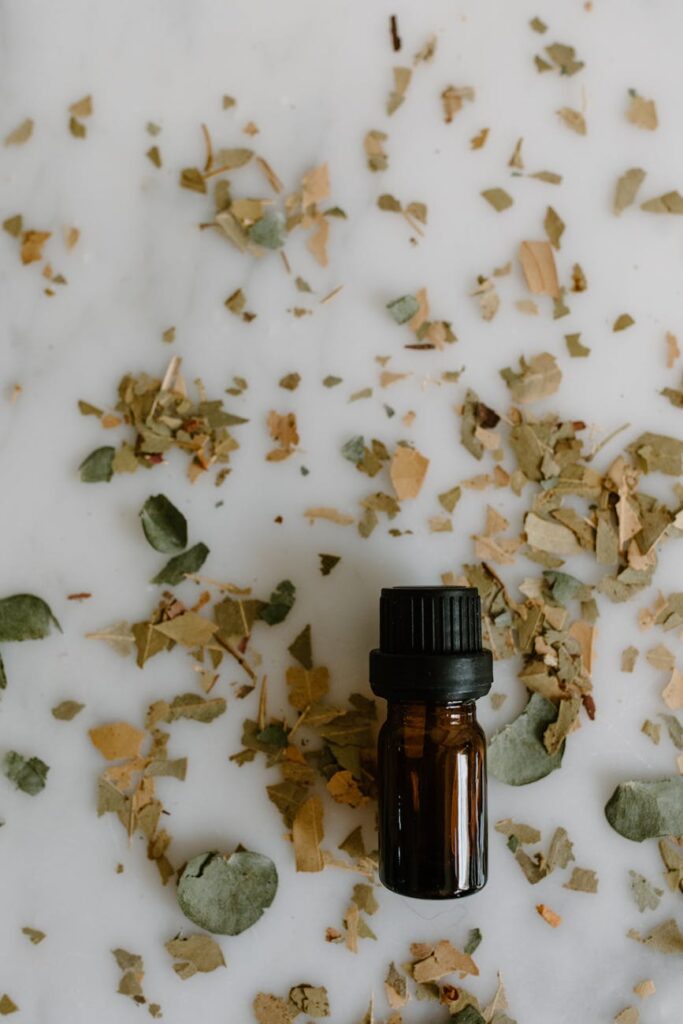
History and Origins of Aromatherapy for Emotional Cleansing Blends
Introduction
Aromatherapy, a holistic healing practice that harnesses the power of plant-derived essential oils, has a rich history that dates back thousands of years. While many know essential oils for their aromatic properties, their use extends far beyond mere fragrance. Emotional cleansing blends, in particular, are formulated to help individuals process and release negative emotions, promoting mental clarity and emotional balance. This article delves into the origins of aromatherapy, exploring its historical significance and the development of emotional cleansing blends.
What Is Aromatherapy for Emotional Cleansing Blends?
Aromatherapy is defined as the therapeutic use of essential oils extracted from plants to enhance physical, emotional, or spiritual well-being. Emotional cleansing blends are specific combinations of essential oils designed to address negative emotions such as stress, anxiety, anger, and sadness. These blends aim to cleanse the emotional body, facilitating a sense of peace and emotional resilience.
Historically, various cultures have recognized the connection between scent and emotional health. The practice of using aromatic plants to influence mood and behavior can be traced back to ancient civilizations, including the Egyptians, Greeks, and Romans. These cultures employed aromatic substances in religious rituals, healing practices, and daily life.
Key Benefits and Properties
Emotional cleansing blends are believed to offer a range of benefits, enhancing emotional well-being and promoting a sense of calm. Here are some of the key benefits associated with these blends:
1. Stress Relief: Many essential oils possess calming properties that can help alleviate stress and anxiety. Oils like lavender and chamomile have long been used to promote relaxation.
2. Mood Enhancement: Certain oils, such as citrus oils (e.g., orange and lemon), are known for their uplifting properties. These oils can help elevate mood and enhance feelings of joy.
3. Emotional Release: Blends designed for emotional cleansing can aid in the release of pent-up emotions, helping individuals process feelings of grief, anger, or sadness.
4. Mental Clarity: Aromatherapy can help clear mental fog and improve focus. Oils like rosemary and peppermint are often used for their stimulating effects.
5. Spiritual Connection: For some, the use of essential oils in emotional cleansing blends fosters a deeper connection to oneself and one’s spirituality, aiding in personal growth and self-discovery.
Common Uses
Emotional cleansing blends can be utilized in various contexts, making them versatile tools for emotional support. Here are some common applications:
- Diffusion: Using an essential oil diffuser, individuals can disperse cleansing blends into the air, allowing the aromas to fill a space and create a calming environment.
- Topical Application: Blends can be diluted with carrier oils and applied to pulse points, such as the wrists or temples. This method provides both aromatic and physical benefits.
- Bath Soaks: Adding essential oils to bathwater can create a soothing experience that encourages relaxation and emotional release.
- Meditation and Mindfulness: Incorporating emotional cleansing blends into meditation practices can enhance focus and deepen the experience.
- Massage: When used in massage oils, emotional cleansing blends can facilitate relaxation and emotional release through touch.
- Dilution: Always dilute essential oils with a carrier oil before applying them to the skin. A common ratio is 1-2 drops of essential oil per teaspoon of carrier oil.
- Allergies and Sensitivities: Conduct a patch test before using a new essential oil. Apply a small amount of diluted oil to a discreet area of skin and monitor for any reactions.
- Pregnancy and Medical Conditions: Pregnant individuals or those with pre-existing medical conditions should consult with a healthcare professional before using essential oils.
- Quality Matters: Use high-quality, pure essential oils from reputable sources to ensure safety and efficacy.
- Cool, Dark Place: Store essential oils in a cool, dark place to prevent degradation from heat and light.
- Tightly Sealed Bottles: Ensure that bottles are tightly sealed to minimize exposure to air, which can alter the oil’s composition.
- Shelf Life: The shelf life of essential oils varies. Citrus oils tend to have a shorter shelf life, typically around 1-2 years, while oils like sandalwood can last for many years.
Aromatherapy Applications
Understanding the various ways to apply emotional cleansing blends is essential for maximizing their benefits. Below are some popular methods:
1. Diffusion
Using a diffuser is one of the most common methods for utilizing essential oils. By dispersing the aromatic compounds into the air, individuals can create a gentle atmosphere conducive to emotional cleansing.
2. Inhalation
Inhaling essential oils directly from the bottle or using a personal inhaler can provide immediate emotional support. This method is particularly useful during moments of stress or anxiety.
3. Topical Use
When applying essential oils to the skin, it is crucial to dilute them in a carrier oil to avoid irritation. Common carrier oils include coconut oil, jojoba oil, and sweet almond oil.
4. Bathing
Adding a few drops of emotional cleansing blends to bathwater can create a luxurious and therapeutic experience. The water will carry the oils, allowing for both inhalation and skin absorption.
5. Rituals and Ceremonies
Many individuals incorporate essential oils into personal rituals, such as journaling, intention-setting, or other spiritual practices. The scents can enhance the experience and promote emotional release.
Safety Considerations
While aromatherapy is generally considered safe, certain precautions should be taken to ensure a positive experience:
Storage and Shelf Life
Proper storage is essential for maintaining the integrity of essential oils. Here are some guidelines:
Frequently Asked Questions
1. What essential oils are commonly used in emotional cleansing blends?
Common essential oils used in emotional cleansing blends include lavender, bergamot, frankincense, geranium, and chamomile. Each oil offers unique properties that contribute to emotional support.
2. Can I create my own emotional cleansing blend?
Yes, creating your own emotional cleansing blend can be fulfilling. Start with a base oil and add a few drops of various essential oils that resonate with you. It’s advisable to keep a record of your blends for future reference.
3. How often can I use emotional cleansing blends?
Emotional cleansing blends can be used as often as needed. However, it is essential to listen to your body and adjust usage based on personal response.
4. Are there any contraindications for using essential oils?
Certain essential oils may not be suitable for everyone, particularly pregnant individuals or those with specific health conditions. Always conduct thorough research and consult a professional if in doubt.
5. How do I know if an essential oil is of high quality?
Look for essential oils labeled as “100% pure” and check for certifications from reputable organizations. The botanical name and country of origin should also be listed on the label.
Conclusion
The practice of aromatherapy, particularly the use of emotional cleansing blends, has deep historical roots and offers numerous benefits for emotional well-being. By understanding the properties, applications, and safety considerations of essential oils, individuals can harness their potential for emotional cleansing and personal growth. As the world embraces holistic approaches to health, aromatherapy continues to be a valuable tool for enhancing emotional resilience and creating a balanced life.