
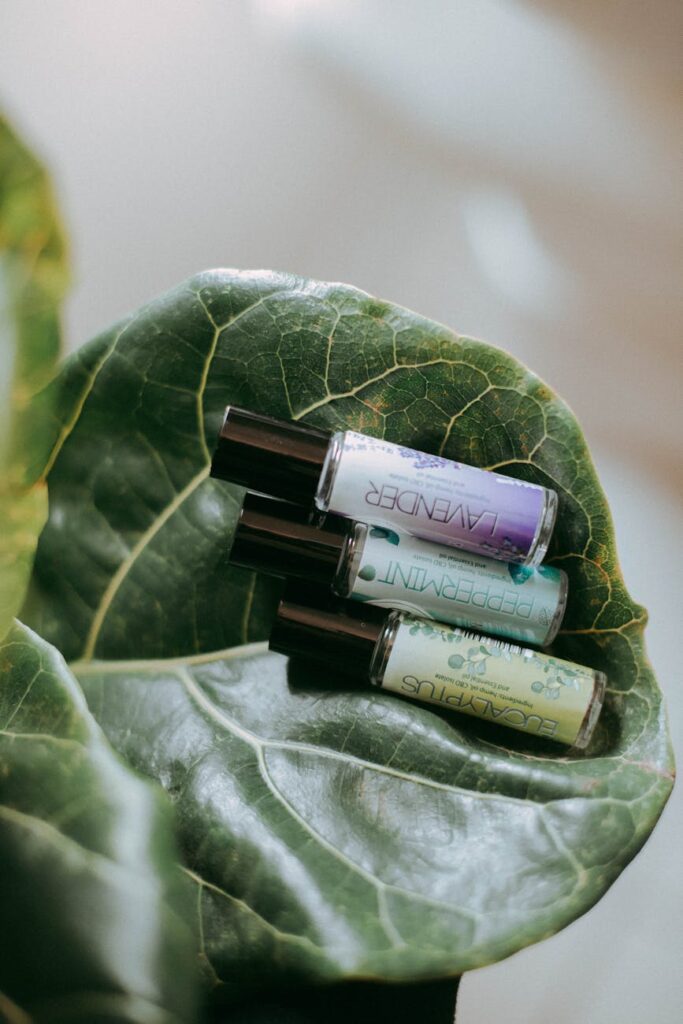
History and Origins of Aromatherapy for Hormonal Balance Blends
Introduction
Aromatherapy, the practice of using essential oils derived from plants for therapeutic purposes, has a rich history that spans thousands of years. While contemporary uses of aromatherapy have gained popularity in recent decades, its roots can be traced back to ancient civilizations. The application of specific essential oils to promote hormonal balance reflects a growing understanding of the intricate relationship between scent, emotion, and physical health. This article explores the history and origins of aromatherapy for hormonal balance blends, highlighting the development of these practices and their significance in modern wellness.
What Is Aromatherapy for Hormonal Balance Blends?
Aromatherapy for hormonal balance blends involves the strategic use of essential oils to support the endocrine system and regulate hormonal fluctuations. Essential oils are concentrated extracts from various plant parts, including leaves, flowers, roots, and bark. In the context of hormonal balance, specific oils are believed to interact with the body’s systems, potentially alleviating symptoms associated with hormonal imbalances, such as mood swings, fatigue, and discomfort.
Hormonal balance blends typically include a combination of essential oils that are thought to possess properties beneficial for emotional and physical well-being. Commonly utilized oils in these blends include lavender, clary sage, geranium, and ylang-ylang, among others. Each oil brings unique properties and benefits, contributing to the overall effectiveness of the blend.
Key Benefits and Properties
The benefits of using aromatherapy for hormonal balance are multifaceted. While scientific studies are ongoing, anecdotal evidence and traditional practices suggest several key properties of essential oils that may support hormonal health:
1. Mood Regulation: Many essential oils have uplifting or calming effects. For instance, lavender is widely recognized for its relaxing properties, which may help alleviate stress and anxiety, often exacerbated during hormonal fluctuations.
2. Menstrual Support: Certain oils, such as clary sage and geranium, are traditionally believed to support menstrual health and alleviate symptoms associated with premenstrual syndrome (PMS).
3. Stress Reduction: Stress can significantly impact hormonal balance. Oils like bergamot and ylang-ylang are often used for their stress-relieving properties, promoting emotional well-being.
4. Endocrine Support: Some essential oils, such as thyme and fennel, are thought to possess phytoestrogenic properties, potentially supporting the body’s natural hormonal processes.
5. Enhanced Relaxation: Oils that promote relaxation and sleep, such as chamomile, can help improve overall quality of life during times of hormonal imbalance.
Common Uses
Aromatherapy for hormonal balance is utilized in various contexts, with common applications including:
- Diffusion: Essential oils can be diffused into the air, allowing for inhalation and creating a calming atmosphere in homes, offices, or therapeutic spaces.
- Topical Application: Blends can be diluted with carrier oils and applied to pulse points, such as wrists or behind the ears, for localized effects.
- Bathing: Adding essential oils to bath water can create a soothing experience, promoting relaxation and stress relief.
- Massage: Incorporating essential oils into massage oils can enhance the therapeutic benefits of touch while addressing hormonal-related discomfort.
- Lavender: Known for its calming qualities.
- Clary Sage: Often used for its potential to alleviate menstrual discomfort.
- Geranium: Believed to balance emotions and hormones.
- Ylang-Ylang: Used for its uplifting scent and potential to ease stress.
- Abdominal Massage: Applying diluted blends to the abdomen may provide comfort during menstrual cycles.
- Pulse Point Application: Applying oils to pulse points can offer calming effects throughout the day.
- Dilution: Essential oils should always be diluted with a carrier oil before topical application to prevent skin irritation.
- Allergies and Sensitivities: Conduct a patch test to check for allergic reactions, especially for individuals with sensitive skin.
- Pregnancy and Nursing: Some essential oils are contraindicated during pregnancy or lactation. Consult with a healthcare professional before using essential oils in these situations.
- Medical Conditions: Individuals with specific health conditions should seek guidance from a qualified aromatherapist or healthcare provider before using essential oils.
- Keep in Dark Glass Bottles: Essential oils should be stored in dark glass containers to protect them from light, which can degrade the oils.
- Cool, Dry Place: Store oils in a cool, dry environment, away from direct sunlight and heat sources.
- Shelf Life: While essential oils do not have a strict expiration date, they can lose potency over time. Generally, citrus oils may last around 1-2 years, while wood and resin oils can last 5 years or more.
Aromatherapy Applications
The application of essential oils for hormonal balance can take various forms. Here are some popular methods:
1. Blending Techniques
Creating effective blends involves understanding the properties of each essential oil. A typical hormonal balance blend might include:
When blending, it is essential to consider the ratios and personal preferences, as individual responses to scents can vary widely.
2. Inhalation
Inhaling essential oils directly from the bottle or using a personal inhaler can provide immediate effects. This method is particularly useful during moments of acute stress or emotional upheaval.
3. Massage and Topical Use
Topical applications can include a variety of methods, such as:
4. Aromatherapy Baths
Adding essential oils to a warm bath can create a serene environment, making it an excellent method for relaxation and stress relief.
Safety Considerations
While aromatherapy can be a beneficial practice, it is essential to exercise caution. Here are some important safety considerations:
Storage and Shelf Life
Proper storage is crucial to maintain the integrity and potency of essential oils. Here are some tips for optimal storage:
Frequently Asked Questions
1. Can aromatherapy help with hormonal imbalances?
While many people report benefits from using essential oils for hormonal balance, scientific research is still ongoing. Aromatherapy may provide supportive effects, but it should not replace medical treatment.
2. Are there specific essential oils recommended for menopause?
Commonly used essential oils for menopause-related symptoms include clary sage, geranium, and lavender. However, individual preferences and responses may vary.
3. How can I create my own hormonal balance blend?
To create your own blend, select essential oils known for their properties related to hormonal balance. Start with a base of 2-3 drops of each oil and adjust according to personal preference and desired effects.
4. Can children use essential oils for hormonal balance?
Caution is advised when using essential oils with children. It is best to consult a qualified aromatherapist or healthcare provider for recommendations tailored to children’s needs.
5. Is it safe to use essential oils during pregnancy?
Certain essential oils are contraindicated during pregnancy. Always consult with a healthcare professional before using essential oils if you are pregnant or nursing.
Conclusion
The history and origins of aromatherapy for hormonal balance blends showcase a fascinating interplay between nature and wellness. With roots in ancient practices and a growing body of contemporary research, aromatherapy remains a valuable tool for many seeking to enhance their emotional and physical well-being. As interest in holistic health continues to rise, understanding the diverse applications and benefits of essential oils for hormonal balance can empower individuals to explore this aromatic journey in a safe and informed manner.