
History and Origins of Aromatherapy for Hormonal Mood Swings Blends
Introduction
Aromatherapy, the practice of using plant-derived essential oils for therapeutic purposes, has a rich history that spans thousands of years. Its roots can be traced back to ancient civilizations, where aromatic plants were employed for medicinal, spiritual, and cosmetic purposes. This article explores the origins of aromatherapy, with a particular focus on its application to hormonal mood swings and the essential oil blends associated with this use.
What Is Aromatherapy for Hormonal Mood Swings Blends?
Aromatherapy for hormonal mood swings blends involves the use of specific essential oils to help alleviate emotional and psychological symptoms associated with hormonal fluctuations. These fluctuations can occur due to various life stages, such as puberty, menstrual cycles, pregnancy, and menopause. The essential oils utilized in these blends are believed to impact mood and emotional well-being through their aromatic properties and biochemical interactions.
Historically, the concept of using scents to affect mood is not new. Ancient cultures recognized the influence of aroma on emotions, paving the way for the modern practice of aromatherapy. Aromatherapy for hormonal mood swings blends leverages this age-old understanding to create supportive and soothing experiences for individuals navigating hormonal changes.
Key Benefits and Properties
The essential oils commonly used in hormonal mood swings blends are selected for their unique properties. Here are some of the key benefits associated with these oils:
1. Emotional Balance: Many essential oils, such as lavender and bergamot, are known for their calming effects. They can help stabilize mood and reduce anxiety, making them valuable during hormonal fluctuations.
2. Stress Reduction: Oils like chamomile and ylang-ylang possess stress-relieving properties that can help mitigate feelings of irritability or sadness.
3. Hormonal Regulation: Certain essential oils, such as clary sage and geranium, are thought to have balancing effects on the endocrine system, promoting overall hormonal health.
4. Relaxation and Sleep Aid: Oils like cedarwood and vetiver are often employed to encourage relaxation and improve sleep quality, which can be adversely affected during periods of hormonal imbalance.
5. Boosting Self-Esteem: Uplifting oils such as grapefruit and sweet orange can enhance mood and promote feelings of self-worth, counteracting the emotional challenges that may arise.
Common Uses
Aromatherapy blends for hormonal mood swings can be utilized in various settings, including:
- Personal Inhalation: Using a personal inhaler or simply inhaling from the bottle can provide immediate emotional support.
- Diffusion: Essential oils can be added to a diffuser, dispersing the aroma throughout a room and creating a soothing environment.
- Topical Application: When diluted appropriately, essential oils can be applied to pulse points or areas of tension, allowing for localized relief.
- Bathing: Adding essential oils to bathwater can create a calming experience, providing both physical and emotional benefits.
- Massage: Blending essential oils with carrier oils for massage can enhance relaxation and promote emotional well-being.
- Dilution: Essential oils are highly concentrated and should be diluted with a carrier oil before topical application to avoid skin irritation.
- Patch Testing: Conducting a patch test before applying a new essential oil is advisable to check for any allergic reactions.
- Pregnancy and Lactation: Some essential oils may not be suitable during pregnancy or lactation. It is essential to consult a qualified professional for guidance.
- Health Conditions: Individuals with specific health conditions should consult with a healthcare provider before using aromatherapy, particularly if they are on medication.
- Quality of Oils: The efficacy and safety of essential oils can vary based on quality. It is crucial to source oils from reputable suppliers to ensure purity and potency.
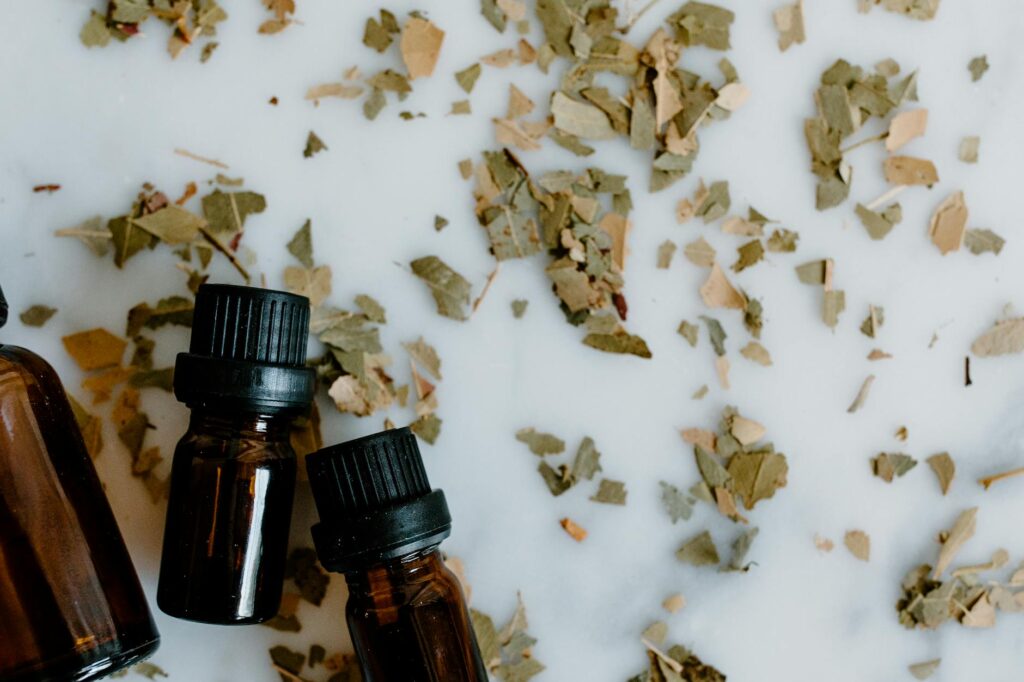
- Storage Conditions: Essential oils should be stored in a cool, dark place, away from direct sunlight. Amber or cobalt glass bottles are ideal for protecting oils from light degradation.
- Shelf Life: The shelf life of essential oils can vary significantly. Citrus oils may last 1-2 years, while others, like sandalwood, can last up to 5 years or more. Always check for signs of spoilage, such as changes in color, aroma, or consistency before use.
Aromatherapy Applications
The application of aromatherapy for hormonal mood swings can be tailored to individual needs. Here are some common essential oils and their suggested blends:
1. Lavender and Bergamot Blend: Known for their calming properties, this blend can help reduce anxiety and promote emotional balance.
2. Clary Sage and Geranium Blend: This combination may assist in hormonal regulation and emotional stabilization, making it particularly useful during menstrual cycles.
3. Ylang-Ylang and Sweet Orange Blend: This uplifting blend can help elevate mood and promote feelings of joy, counteracting irritability.
4. Chamomile and Vetiver Blend: This combination is excellent for relaxation and stress relief, aiding in sleep quality during turbulent emotional times.
5. Cedarwood and Grapefruit Blend: Combining grounding cedarwood with uplifting grapefruit can create a balanced emotional state, enhancing self-esteem.
Safety Considerations
While aromatherapy is generally considered safe, certain precautions should be taken:
Storage and Shelf Life
Proper storage is essential for maintaining the integrity of essential oils. Here are some guidelines:
Frequently Asked Questions
1. Can essential oils completely eliminate hormonal mood swings?
While essential oils can provide support and relief, they are not a substitute for medical treatment. They may help alleviate some symptoms but should be used as part of a comprehensive approach to well-being.
2. How do I choose the right essential oil blend for my needs?
Consider your emotional state and specific symptoms when selecting essential oils. Experimenting with different blends can help you determine what works best for you.
3. Are there any essential oils I should avoid during pregnancy?
Certain essential oils, such as clary sage and rosemary, should be avoided during pregnancy. Always consult a qualified healthcare professional for personalized guidance.
4. How can I integrate aromatherapy into my daily routine?
Incorporating aromatherapy into your daily routine can be as simple as using an essential oil diffuser, carrying a personal inhaler, or applying diluted oils during self-care practices like bathing or massage.
5. Can children use essential oils for hormonal mood swings?
Children’s bodies are more sensitive to essential oils, so it is essential to dilute oils significantly and consult with a healthcare professional before use.
Conclusion
The history and origins of aromatherapy reveal a profound understanding of the connection between scent, mood, and emotional well-being. As individuals navigate hormonal mood swings, the thoughtful use of essential oil blends can offer a supportive path toward balance and emotional health. By honoring the traditions of the past and integrating modern practices, aromatherapy continues to be a valuable tool for enhancing overall well-being.