
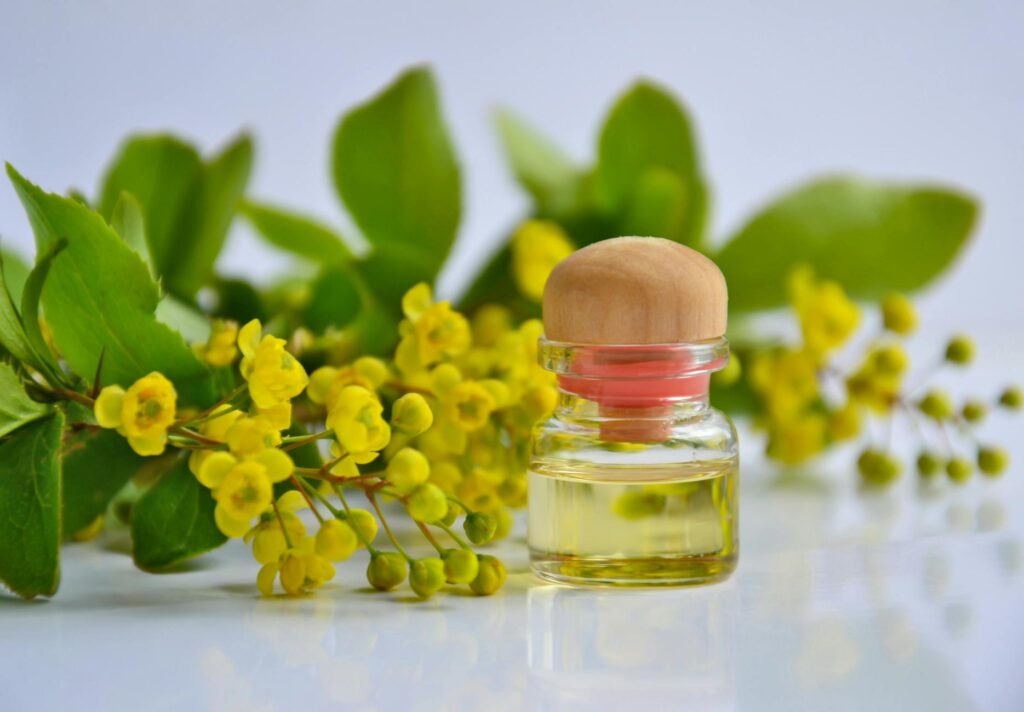
History and Origins of Aromatherapy for Immune System Support Blends
Introduction
Aromatherapy, the therapeutic use of essential oils, has gained recognition worldwide for its potential to enhance well-being. This practice, which dates back thousands of years, has evolved significantly over time. Among its many applications, aromatherapy for immune system support blends has emerged as a popular area of interest. This article will explore the historical roots of aromatherapy, its role in immune system support, and the essential oils that are commonly used for this purpose.
What Is Aromatherapy for Immune System Support Blends?
Aromatherapy is defined as the use of aromatic plant extracts, known as essential oils, to promote physical and emotional health. Immune system support blends specifically refer to combinations of essential oils that are believed to bolster the body’s natural defenses against illness. These blends are designed to harness the unique properties of various oils, which may possess antimicrobial, antiviral, or anti-inflammatory characteristics.
The practice can involve inhalation, topical application, or diffusion, allowing the beneficial compounds in essential oils to enter the body through various pathways. While scientific research on the efficacy of aromatherapy for immune support is still evolving, many individuals and practitioners report positive experiences when using these blends.
Key Benefits and Properties
Essential oils used in immune system support blends are often chosen for their specific properties. Here are some of the key benefits associated with commonly used oils:
1. Antimicrobial Properties: Many essential oils, such as tea tree and eucalyptus, exhibit antimicrobial activities, which may help inhibit the growth of harmful pathogens.
2. Anti-inflammatory Effects: Oils like lavender and chamomile are known for their calming properties, which may help reduce inflammation and support overall immune function.
3. Respiratory Support: Oils such as peppermint and rosemary can aid in respiratory health, making breathing easier, especially during cold and flu seasons.
4. Stress Reduction: Stress can negatively impact the immune system. Essential oils like bergamot and frankincense are often used to promote relaxation and alleviate stress, potentially supporting immune health indirectly.
5. Circulation Enhancement: Certain oils, such as ginger and black pepper, may stimulate circulation, which is vital for the efficient functioning of the immune system.
Common Uses
Immune system support blends can be utilized in various settings and for different purposes:
- Home Care: Diffusing essential oils in living spaces can enhance air quality and create a calming atmosphere. Blends can be tailored for seasonal support, especially during cold and flu outbreaks.
- Personal Care: Topical application of diluted blends can be integrated into daily routines. For example, a blend applied to pulse points may provide both aromatic and therapeutic benefits.
- Massage Therapy: Incorporating immune-supportive essential oils into massage oils can enhance the relaxation experience while potentially providing immune benefits.
- Bathing: Adding essential oils to bathwater can create a soothing environment, promoting relaxation and overall well-being.
- Dark Glass Containers: Essential oils should be stored in dark glass bottles to protect them from light, which can degrade the quality of the oil.
- Cool, Dry Place: Keeping oils in a cool, dry location can prevent heat and moisture from affecting their properties.
- Expiration: While essential oils don’t necessarily “expire,” they can lose potency or become rancid over time. Generally, citrus oils have a shorter shelf life (1-2 years), whereas oils like sandalwood and patchouli can last for several years when stored properly.
Aromatherapy Applications
There are several methods for applying aromatherapy for immune system support:
1. Inhalation: This method can be as simple as adding a few drops of essential oil to a diffuser or a bowl of hot water. Inhaling the steam can quickly deliver the aromatic compounds into the respiratory system.
2. Topical Application: Essential oils should always be diluted with a carrier oil (such as coconut, jojoba, or almond oil) before applying to the skin. Common dilution ratios are 2-3% for adults, which equates to about 10-15 drops of essential oil per ounce of carrier oil.
3. Baths: Essential oils can be added to bathwater for a relaxing experience. It’s advisable to mix the oils with a dispersing agent like Epsom salt to prevent them from floating on the surface.
4. Compresses: A cold or warm compress can be infused with essential oils and applied to the skin. This method can be particularly soothing and beneficial for localized discomfort.
Safety Considerations
While aromatherapy is generally considered safe, there are important safety guidelines to follow:
1. Dilution: Essential oils are highly concentrated and should always be diluted before topical application to prevent skin irritation or sensitization.
2. Patch Test: Conducting a patch test on a small area of skin can help identify any potential allergic reactions before broader application.
3. Quality of Oils: Use high-quality, pure essential oils from reputable sources to ensure safety and efficacy. Check for certifications such as organic or therapeutic grade.
4. Consulting Professionals: If pregnant, nursing, or suffering from chronic health conditions, it is advisable to consult with a healthcare professional before using essential oils.
5. Children and Pets: Special care should be taken when using essential oils around children and pets. Some oils are not suitable for young children or certain animals.
Storage and Shelf Life
Proper storage of essential oils is crucial for maintaining their potency and efficacy. Here are some key tips:
Frequently Asked Questions
1. Can aromatherapy really boost my immune system?
While many people find aromatherapy beneficial for overall wellness, scientific research on its direct effects on immune function is still limited. Some essential oils may have properties that support immune health, but they should not be considered a substitute for medical treatment.
2. What are some recommended essential oils for immune support?
Commonly recommended essential oils for immune system support include tea tree, eucalyptus, lavender, lemon, and peppermint. Each oil has unique properties that may contribute to overall well-being.
3. How often can I use immune support blends?
Usage can vary based on individual needs and preferences. It is generally safe to use essential oils daily when properly diluted. However, it’s wise to take breaks and rotate different oils to prevent any potential sensitivity.
4. Are there any contraindications for using essential oils?
Yes, certain essential oils may not be suitable for individuals with specific health conditions, during pregnancy, or for young children. Always consult a healthcare professional if you have concerns.
5. Can I mix different essential oils together for a custom blend?
Yes, creating custom blends can be a rewarding aspect of aromatherapy. However, ensure that the oils you combine have complementary properties and are safe to use together.
Conclusion
The history and origins of aromatherapy reveal a rich tapestry of cultural practices that have shaped modern understanding of essential oils. As interest in immune system support blends continues to grow, it is essential to approach their use with knowledge and respect for their properties. By understanding the benefits, applications, and safety considerations, individuals can thoughtfully incorporate aromatherapy into their wellness routines, potentially enhancing their overall health and vitality.