
History and Origins of Aromatherapy for Meditation Enhancement Blends
Introduction
Aromatherapy, the practice of using essential oils extracted from plants for therapeutic benefits, has a rich history that stretches back thousands of years. This holistic approach to wellness has gained significant popularity in recent decades, particularly in the realm of meditation. This article explores the history and origins of aromatherapy specifically tailored for enhancing meditation experiences. By understanding its roots, benefits, and applications, practitioners can deepen their meditation practice and foster a greater sense of well-being.
What Is Aromatherapy for Meditation Enhancement Blends?
Aromatherapy for meditation enhancement blends involves the use of specific essential oils to create an environment conducive to mindfulness, relaxation, and spiritual connection. Meditation enhancement blends are typically crafted from a combination of essential oils known for their calming, grounding, and uplifting properties. These blends aim to support mental clarity, emotional balance, and a deeper connection to oneself during meditation.
The essential oils used in these blends can vary widely, but they often include favorites such as lavender, frankincense, sandalwood, and bergamot. Each oil possesses unique aromatic profiles and therapeutic properties that can aid in creating a serene atmosphere for meditation.
Key Benefits and Properties
The benefits of aromatherapy for meditation enhancement can be largely attributed to the aromatic compounds present in essential oils. Here are some key advantages:
1. Stress Reduction
Essential oils like lavender and chamomile are known for their calming properties. Inhaling these aromas can help reduce stress levels and promote relaxation, making it easier to enter a meditative state.
2. Enhanced Focus
Certain oils, such as rosemary and peppermint, are believed to enhance mental clarity and focus. This can be particularly beneficial for individuals who struggle with wandering thoughts during meditation sessions.
3. Emotional Balance
Aromatherapy can help regulate emotions. Oils like bergamot and ylang-ylang are often used to uplift mood and alleviate feelings of anxiety or sadness, supporting a more balanced emotional state.
4. Deepened Spiritual Connection
Many practitioners use essential oils like frankincense and sandalwood to foster a sense of spiritual connection. The rich, earthy aromas can facilitate a deeper experience during meditation, enhancing feelings of peace and tranquility.
Common Uses
Aromatherapy for meditation enhancement can be employed in various settings and contexts:
1. Personal Meditation Practice
Individuals can incorporate essential oils into their personal meditation routines by diffusing them in their meditation space, applying them topically, or simply inhaling them directly from the bottle.
2. Group Meditations
In group settings, essential oil blends can be diffused to create a shared atmosphere of calm and focus, enhancing the collective experience.
3. Yoga Classes
Many yoga instructors incorporate aromatherapy into their classes, using essential oils to complement the physical practice and deepen the meditative aspect of yoga.
4. Spiritual Ceremonies
Essential oils are often used in spiritual rituals and ceremonies to elevate the ambiance and promote a heightened sense of awareness and connection.
Aromatherapy Applications
The application of essential oils in aromatherapy for meditation can be approached in several ways:
1. Diffusion
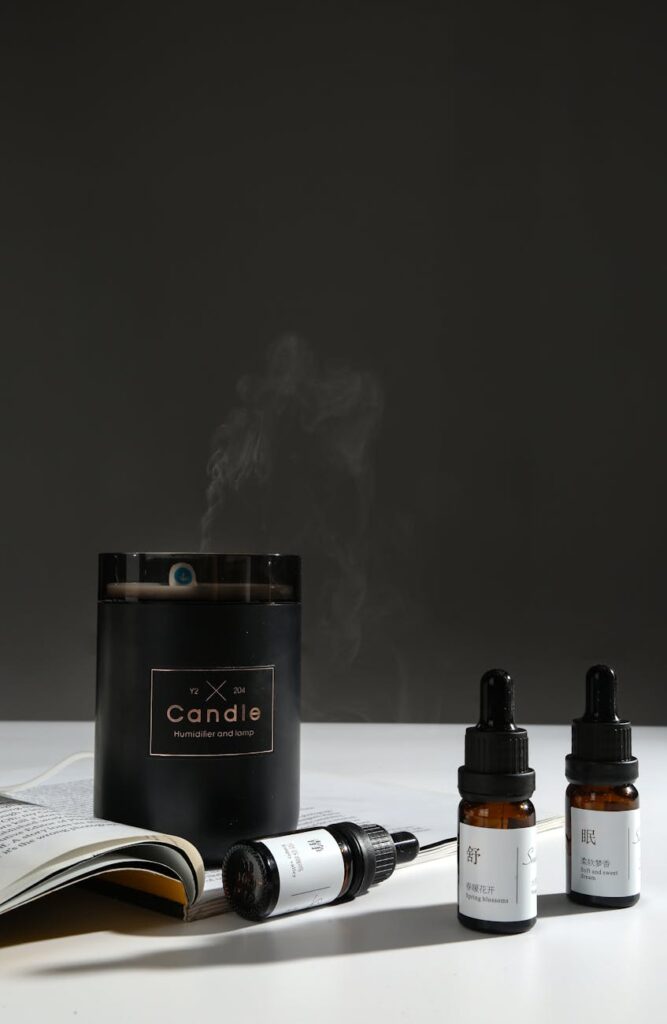
Essential oil diffusers disperse the oil’s aroma into the air, creating an inviting atmosphere conducive to meditation. Ultrasonic diffusers are popular for their ability to disperse oils without heating, preserving their therapeutic properties.
2. Topical Application
Essential oils can be diluted with a carrier oil and applied to pulse points, such as the wrists or temples. This method allows for direct absorption into the skin, enhancing the experience during meditation.
3. Inhalation
Direct inhalation of essential oils can be effective. Simply placing a few drops on a cotton ball or tissue and inhaling deeply can provide immediate benefits.
4. Bath Soaks
Adding essential oils to bathwater can create a soothing environment for pre-meditation rituals. This method allows for the absorption of oils through the skin while enjoying the aromatic experience.
Safety Considerations
While aromatherapy is generally considered safe, certain precautions should be observed:
1. Dilution
Essential oils are potent and should be diluted with a carrier oil before topical application to avoid skin irritation.
2. Allergies and Sensitivities
Individuals should perform a patch test before using a new essential oil, especially if they have a history of allergies or sensitivities.
3. Pregnancy and Medical Conditions
Consultation with a qualified professional is recommended for pregnant individuals, those with existing medical conditions, or those taking medications that may interact with essential oils.
4. Quality of Essential Oils
Using high-quality, pure essential oils is crucial. Look for oils that are labeled as 100% pure and free from synthetic additives.
Storage and Shelf Life
Proper storage of essential oils is vital for maintaining their potency and effectiveness. Here are some guidelines:
1. Dark Glass Containers
Essential oils should be stored in dark glass bottles to protect them from light, which can degrade their quality.
2. Cool, Dry Place
Keep essential oils in a cool, dry place, away from heat sources and humidity. Extreme temperatures can affect their integrity.
3. Shelf Life
The shelf life of essential oils varies but is generally between 1 to 3 years. Citrus oils tend to have a shorter shelf life, while oils like patchouli and sandalwood can last longer.
Frequently Asked Questions
1. Can I Use Any Essential Oil for Meditation?
While you can use any essential oil, certain oils are specifically known for their calming and grounding properties, making them more suitable for meditation enhancement.
2. How Do I Choose the Right Blend?
Choosing the right blend depends on your personal preferences and goals. Consider what emotional or mental states you wish to achieve during meditation and select oils accordingly.
3. Is Aromatherapy Safe for Children?
Many essential oils can be safe for children when properly diluted and used appropriately. However, it is crucial to consult a qualified professional for guidance.
4. How Often Can I Use Aromatherapy?
Aromatherapy can be used daily or as needed. Listen to your body and adjust your usage based on your comfort and experiences.
5. Can Aromatherapy Help with Sleep?
Certain essential oils, such as lavender and chamomile, are known for their relaxing properties and may help improve sleep quality when used in a calming bedtime routine.
Conclusion
The practice of using aromatherapy for meditation enhancement blends has a rich history that connects ancient traditions with modern wellness practices. By understanding the origins, benefits, and applications of these blends, individuals can cultivate a more profound and enriching meditation experience. As you explore the world of essential oils, remember to approach your practice mindfully, respecting both the potency of the oils and the sacred space of your meditation practice.