
History and Origins of Aromatherapy for Mindfulness in Daily Life Blends
Introduction
Aromatherapy, a practice that involves the use of essential oils derived from plants to enhance physical, emotional, and spiritual well-being, has ancient roots. This holistic approach to wellness has evolved over centuries, intertwining with various cultures and healing practices. As modern society becomes increasingly aware of the benefits of mindfulness, the integration of aromatherapy into daily life has gained popularity. This article delves into the historical foundations of aromatherapy, its applications for mindfulness, and how it can be effectively utilized in everyday routines.
What Is Aromatherapy for Mindfulness in Daily Life Blends?
Aromatherapy refers to the therapeutic use of aromatic plant extracts, known as essential oils, to promote overall wellness. When paired with mindfulness practices, aromatherapy can enhance one’s ability to remain present and engaged in the moment. Mindfulness in this context is the practice of being fully aware of one’s thoughts, feelings, and surroundings without judgment.
Daily life blends are specific combinations of essential oils designed to support mindfulness. These blends aim to create an environment conducive to relaxation, focus, and emotional balance. By incorporating these scents into daily routines, individuals can cultivate a deeper sense of awareness and tranquility.
Key Benefits and Properties
The benefits of aromatherapy extend beyond mere fragrance; they can impact emotional states, cognitive functions, and physical sensations. Essential oils possess various properties, including:
- Calming: Oils such as lavender and chamomile are renowned for their soothing effects, helping to reduce stress and anxiety.
- Invigorating: Citrus oils like lemon and bergamot can uplift moods and enhance alertness, making them suitable for morning routines.
- Balancing: Oils like frankincense and geranium can promote emotional balance, aiding in grounding and centering practices.
- Focus-enhancing: Essential oils such as rosemary and peppermint have been shown to improve concentration, making them ideal for study or work environments.
- Evening Rituals: Blending lavender, chamomile, and frankincense in a diffuser can help signal the body that it’s time to unwind.
- Focus Zones: For work or study areas, a blend of peppermint, rosemary, and lemon can enhance concentration and clarity.
- Scented Desk Accessories: Using essential oil rollerballs or inhalers during breaks can facilitate a quick mental reset.
- Meeting Spaces: Diffusing uplifting scents like citrus oils can create an energizing atmosphere for collaborative sessions.
- Massage Oils: Blending essential oils with carrier oils for massage can aid relaxation and self-awareness during self-care rituals.
- Skincare: Utilizing oils like tea tree or frankincense can nourish the skin while supporting emotional well-being.
- Dilution: Always dilute essential oils with a carrier oil before applying them to the skin to prevent irritation or allergic reactions.
- Patch Testing: Conduct a patch test by applying a small diluted amount to a discreet area of skin to check for adverse reactions.
- Quality: Utilize high-quality, pure essential oils from reputable sources to avoid synthetic additives that can cause harm.
- Consultation: Individuals pregnant, nursing, or with underlying health conditions should consult a knowledgeable professional before incorporating essential oils.
- Cool, Dark Place: Essential oils should be stored in a cool, dark location, away from direct sunlight and heat sources to prevent degradation.
- Amber or Cobalt Bottles: Use dark glass bottles to protect oils from light exposure, which can alter their chemical composition.
- Shelf Life: While the shelf life varies by oil, most essential oils can last from 1 to 5 years if stored correctly. Citrus oils tend to have a shorter lifespan, while others like patchouli and sandalwood may last longer.
These benefits are often attributed to the chemical compounds within the oils, which interact with the brain’s limbic system—the region responsible for emotions and memory.
Common Uses
Aromatherapy can be integrated into daily life in various ways. Common uses include:
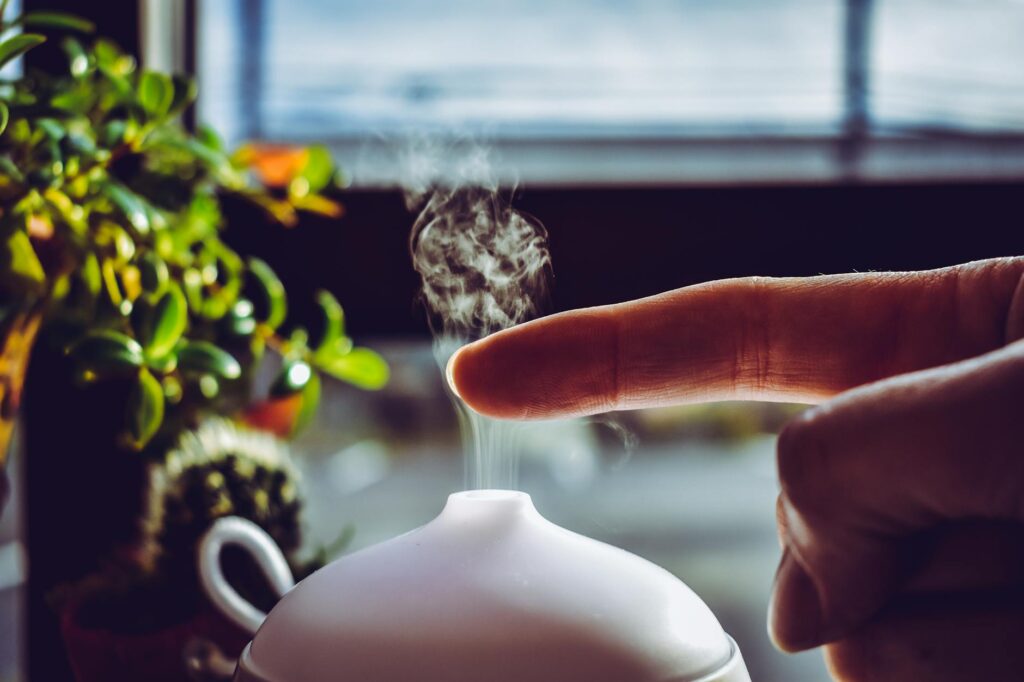
1. Diffusion: Using a diffuser to disperse essential oils into the air allows for a wide-reaching aromatic experience conducive to mindfulness.
2. Topical Application: Diluting essential oils with carrier oils and applying them to pulse points can help individuals connect with the scents on a personal level.
3. Baths: Adding essential oils to bathwater can transform a simple bath into a sensory retreat, promoting relaxation and introspection.
4. Inhalation: Simply inhaling the scent directly from the bottle or from a cotton ball can offer immediate benefits during moments of stress or distraction.
5. Lifestyle Products: Many individuals incorporate aromatherapy into their daily lives via scented candles, skincare products, and teas that include essential oils.
Aromatherapy Applications
Incorporating aromatherapy into daily life can be tailored to individual preferences and needs. Here are several applications for specific settings:
At Home
Creating a calming atmosphere at home can be achieved through:
At Work
Incorporating mindfulness practices in professional settings can reduce stress and improve productivity:
In Personal Care
Integrating essential oils into personal care routines can enhance self-care:
Safety Considerations
While essential oils are natural, they can pose risks if not used properly. Here are essential safety tips:
Storage and Shelf Life
Proper storage of essential oils is crucial for maintaining their efficacy and safety. Here are recommendations for storage:
Frequently Asked Questions
1. Can I use essential oils during pregnancy?
While some essential oils are considered safe, many are not recommended during pregnancy. It is crucial to consult a healthcare provider before using any essential oils.
2. Are essential oils safe for children?
Certain essential oils are safe for children when used appropriately. However, always dilute oils and consult guidelines specific to children.
3. How do I choose the right essential oils for mindfulness?
Choosing essential oils depends on individual preferences and desired outcomes. Experimenting with different scents can help identify those that resonate most with you.
4. Can essential oils interact with medications?
Some essential oils may interact with medications, so it is advisable to consult a healthcare professional if you are on medication.
5. How do I know if an essential oil is pure?
Look for essential oils labeled as “100% pure” and check for third-party testing to ensure quality and authenticity.
Conclusion
The history and origins of aromatherapy reveal a rich tapestry of cultural practices that continue to influence modern approaches to mindfulness and wellness. By integrating essential oils into daily life, individuals can cultivate a deeper sense of presence and emotional balance. As the practice of aromatherapy evolves, it remains an accessible and effective tool for enhancing mindfulness and enriching everyday experiences.