
History and Origins of Aromatherapy for Mood Disorders Blends
Introduction
Aromatherapy, an ancient practice rooted in the use of essential oils derived from plants, has garnered significant attention in modern wellness circles, especially for its potential benefits in managing mood disorders. The practice involves utilizing these fragrant oils to enhance emotional and psychological well-being, making it a popular adjunct to holistic health approaches. This article delves into the historical origins of aromatherapy, particularly its application in mood disorders, exploring its evolution, benefits, common uses, and safety considerations.
What Is Aromatherapy for Mood Disorders Blends?
Aromatherapy is defined as the therapeutic use of essential oils, which are concentrated plant extracts known for their aromatic properties and various physiological effects. Aromatherapy for mood disorders blends specifically refers to combinations of essential oils formulated to influence emotional states, alleviate stress, and promote mental clarity and relaxation. These blends can range from uplifting and energizing to calming and grounding, depending on the desired effect.
Historically, various cultures have employed aromatic plants for their therapeutic properties. The use of specific essential oils can be traced back to ancient civilizations, where they played roles in rituals, medicine, and daily life. Over time, the understanding of these oils has evolved, leading to the development of targeted blends aimed at addressing mood-related issues.
Key Benefits and Properties
The benefits of aromatherapy for mood disorders are often attributed to the biochemical properties of essential oils. Some key properties and benefits include:
1. Stress Reduction: Many essential oils, such as lavender and chamomile, are known for their calming effects, helping to lower cortisol levels and mitigate stress.
2. Mood Enhancement: Oils like bergamot and citrus oils can uplift the spirit and promote feelings of happiness and vitality.
3. Anxiety Relief: Blends containing ylang-ylang or frankincense can help reduce feelings of anxiety and enhance relaxation.
4. Improved Sleep Quality: Certain oils, including cedarwood and marjoram, may assist in promoting restful sleep, which is often disrupted in individuals with mood disorders.
5. Emotional Balance: Essential oils such as geranium and rose can help balance emotions, fostering a sense of stability and well-being.
Common Uses
Aromatherapy for mood disorders can be utilized in various settings and methods. Some common applications include:
1. Diffusion: Using a diffuser to disperse essential oils into the air can create a calming or uplifting atmosphere, suitable for homes, workplaces, or therapy settings.
2. Topical Application: Diluting essential oils with a carrier oil (such as jojoba or coconut oil) and applying them to pulse points, such as wrists or temples, can provide localized effects.
3. Inhalation: Direct inhalation of essential oil from the bottle or on a cotton ball can deliver immediate effects, beneficial during moments of acute stress or anxiety.
4. Bathing: Adding essential oils to bathwater can create a soothing experience that promotes relaxation and emotional relief.
5. Massage: Incorporating essential oils into massage therapy can enhance the therapeutic experience, allowing for both physical and emotional benefits.
Aromatherapy Applications
The application of aromatherapy for mood disorders is diverse, with specific blends often crafted to target various emotional states. Here are several popular blends and their intended effects:
Uplifting Blends
- Citrus Bliss: A blend of orange, lemon, and grapefruit essential oils that is often used to enhance mood and promote feelings of joy.
- Energizing Mint: Combining peppermint and spearmint, this blend can help stimulate the mind and uplift spirits.
- Relaxation Blend: A soothing mix of lavender, chamomile, and sandalwood, this blend is designed to reduce anxiety and promote a sense of peace.
- Sleep Aid: A combination of bergamot, vetiver, and marjoram can help prepare the mind for restful sleep.
- Emotional Support: Blends containing frankincense, geranium, and rose are often utilized to foster emotional balance and support during challenging times.
- Grounding Blend: Combining cedarwood, patchouli, and clary sage can help individuals feel more centered and stable.
Calming Blends
Balancing Blends
Safety Considerations
While aromatherapy is generally considered safe, certain precautions should be observed, especially when dealing with mood disorders. Here are some key safety considerations:
1. Dilution: Essential oils are potent and should be diluted with a carrier oil before topical application to prevent skin irritation.
2. Allergies and Sensitivities: Conduct a patch test before extensive use, as some individuals may have sensitivities or allergies to specific essential oils.
3. Pregnancy and Nursing: Certain essential oils may not be safe during pregnancy or nursing; consult with a knowledgeable professional before use.
4. Medical Conditions: Individuals with specific medical conditions or those taking medications should consult with a healthcare professional before incorporating aromatherapy into their routine.
5. Quality of Oils: It is essential to use high-quality, pure essential oils from reputable sources to ensure safety and efficacy.
Storage and Shelf Life
Proper storage of essential oils is crucial to maintaining their potency and effectiveness. Here are some guidelines:
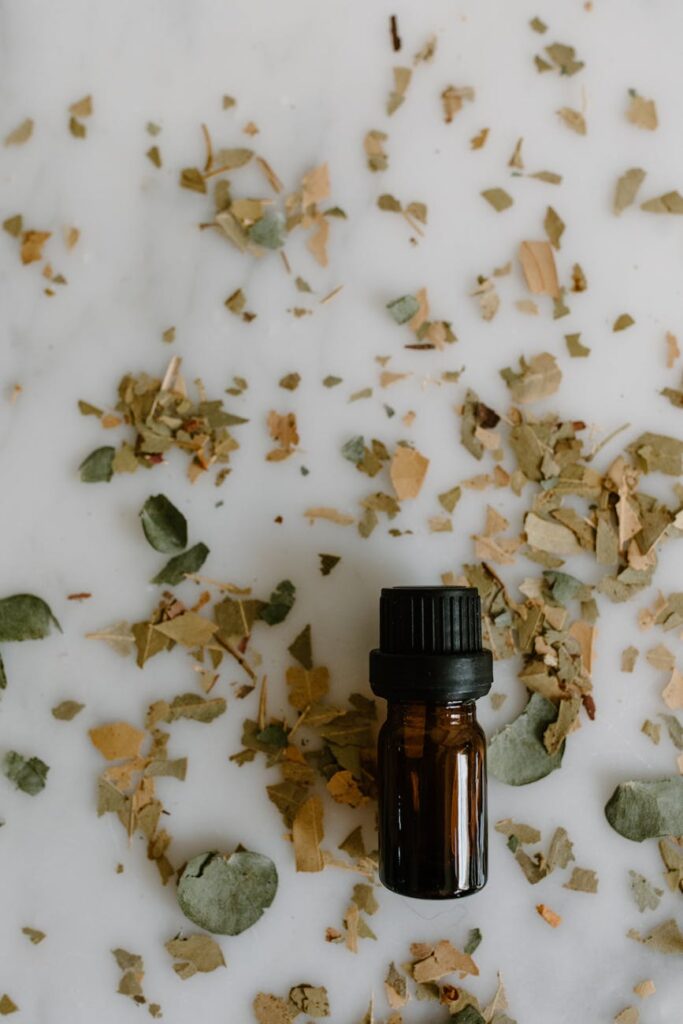
1. Dark Glass Containers: Store essential oils in dark glass bottles to protect them from light exposure, which can degrade their quality.
2. Cool, Dry Place: Keeping oils in a cool, dry environment can help prolong their shelf life. Avoid storing them in areas with high temperatures or humidity.
3. Labeling: Clearly label containers with the date of purchase and any special notes regarding the oil’s properties or intended uses.
4. Shelf Life: While some essential oils can last several years, most have a shelf life of 1-3 years. Citrus oils may have a shorter shelf life due to their volatile nature.
Frequently Asked Questions
What essential oils are best for mood disorders?
Commonly used essential oils for mood disorders include lavender, bergamot, chamomile, frankincense, and citrus oils. Each oil has unique properties that can affect mood and emotional well-being.
How can I use essential oils safely?
To use essential oils safely, always dilute them with a carrier oil for topical application, perform patch tests to check for sensitivities, and consult with a healthcare provider if you have existing medical conditions.
Can aromatherapy replace traditional therapies for mood disorders?
Aromatherapy can be a complementary approach to traditional therapies but should not replace professional medical advice or treatment. It is essential to consult with healthcare providers for comprehensive care.
How often should I use aromatherapy for mood support?
The frequency of use may vary based on individual preferences and needs. Some may benefit from daily use, while others may find occasional application sufficient. Listening to one’s body and emotional state can guide usage.
Are there any contraindications for using essential oils?
Yes, certain essential oils may not be suitable for everyone, particularly individuals with allergies, pregnant or nursing women, and those with specific medical conditions. Always consult with a professional before use.
Conclusion
The history and origins of aromatherapy, particularly its application for mood disorders, illustrate a rich tapestry of human experience and botanical knowledge. As awareness of holistic approaches to emotional well-being continues to grow, the therapeutic potential of essential oils remains a valuable resource. While aromatherapy can offer support for mood regulation and emotional balance, it is essential to approach its use thoughtfully and safely, incorporating it as a complementary practice within a broader wellness framework.