
History and Origins of Aromatherapy for Mood Stabilization Blends
Introduction
Aromatherapy, the practice of utilizing essential oils extracted from plants for therapeutic purposes, has a rich and diverse history that spans across cultures and centuries. Among various applications, the use of aromatherapy for mood stabilization has gained particular attention in recent years. This article explores the historical context, key benefits, common uses, and safety considerations associated with mood stabilization blends in aromatherapy.
What Is Aromatherapy for Mood Stabilization Blends?
Aromatherapy for mood stabilization blends involves the use of specific essential oils to promote emotional balance and psychological well-being. These blends are designed to alleviate feelings of anxiety, stress, and depression while enhancing overall mood. The essential oils used in these blends are often derived from flowers, herbs, and other plant materials, which contain volatile compounds that can influence human emotions and mental states.
The concept of using scents to affect mood is rooted in both ancient traditions and modern psychological principles. The olfactory system, responsible for the sense of smell, is closely linked to the limbic system, the part of the brain that regulates emotions. As a result, inhaling certain scents can trigger emotional responses, making aromatherapy an effective tool for mood stabilization.
Key Benefits and Properties
The benefits of aromatherapy for mood stabilization are multifaceted, anchored in both historical practices and contemporary research. Some notable properties of essential oils used in mood stabilization blends include:
- Calming Effects: Oils such as lavender and chamomile are renowned for their calming properties, often reducing feelings of stress and anxiety.
- Uplifting Qualities: Citrus oils like bergamot and sweet orange are associated with uplifting and energizing effects that can help combat feelings of sadness or lethargy.
- Balancing Emotions: Oils like geranium and ylang-ylang are believed to help balance emotions, making them ideal for individuals experiencing mood swings.
- Promoting Relaxation: Essential oils such as frankincense and sandalwood can facilitate deep relaxation, aiding in meditation and mindfulness practices.
- Home Use: Many individuals use essential oils in diffusers, sprays, or bath products to create a calming environment at home.
- Workplaces: Some organizations incorporate aromatherapy into their wellness programs to help reduce stress among employees and foster a more positive work atmosphere.
- Therapeutic Settings: Certified aromatherapists may blend oils for clients as part of holistic treatments to support emotional health.
- Yoga and Meditation: Essential oils are commonly used during yoga and meditation practices to enhance relaxation and focus.
- Inhalation: Simply inhaling the aroma of essential oils directly from the bottle or via a diffuser is one of the most common methods. This approach allows for immediate effects on mood.
- Topical Application: Essential oils can be diluted in carrier oils and applied to pulse points or massaged into the skin. This method can enhance emotional well-being while also providing physical benefits.
- Bathing: Adding essential oils to bathwater can create a serene and aromatic experience that promotes relaxation and mood stabilization.
- Room Sprays: Creating a room spray with essential oils can help transform the atmosphere of a space, making it more conducive to relaxation and emotional balance.
- Dilution: Essential oils are highly concentrated and should be diluted with carrier oils when applied topically to prevent skin irritation.
- Sensitivity Testing: It is advisable to conduct a patch test before using a new essential oil on the skin to check for allergic reactions.
- Pregnancy and Nursing: Pregnant and nursing individuals should consult a healthcare professional before using essential oils, as some oils may not be safe during these times.
- Children and Pets: Specific essential oils can be harmful to children and pets; therefore, it is essential to research and choose oils that are safe for all family members.
- Contraindications: Individuals with certain medical conditions or those taking medication should consult a healthcare professional before incorporating essential oils into their routine.
- Cool, Dark Place: Essential oils should be stored in a cool, dark environment away from direct sunlight and heat, as these factors can degrade the oils over time.
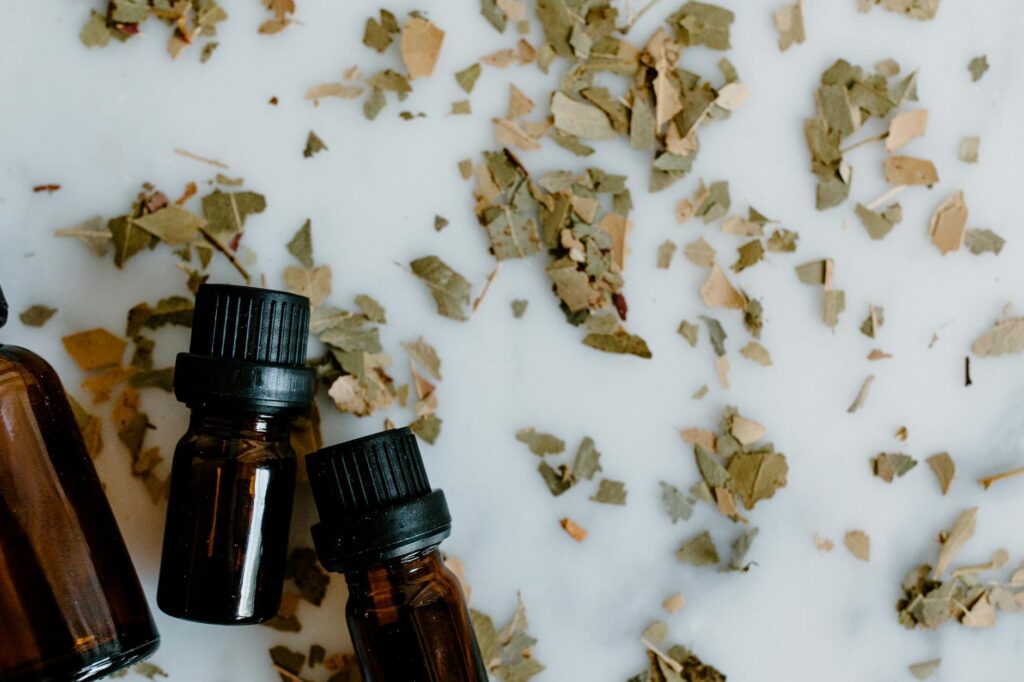
- Amber or Cobalt Bottles: Storing essential oils in dark glass bottles helps protect them from light exposure, which can affect their quality.
- Tightly Sealed: Ensure that bottles are tightly sealed to prevent oxidation and contamination.
- Shelf Life: The shelf life of essential oils varies by type, generally ranging from 1 to 10 years. Citrus oils tend to have a shorter shelf life, while oils like patchouli or sandalwood can last longer.
The combination of these properties enables aromatherapy to serve as a complementary approach to managing emotional well-being.
Common Uses
Aromatherapy for mood stabilization is employed in various contexts, including:
The versatility of aromatherapy allows it to be integrated into multiple aspects of daily life, making it accessible for those seeking mood stabilization.
Aromatherapy Applications
The application of aromatherapy for mood stabilization can take several forms, including:
Choosing the right application depends on personal preference, desired effects, and specific needs.
Safety Considerations
While aromatherapy is generally considered safe for most individuals, several precautions should be taken:
By following these safety considerations, individuals can enjoy the benefits of aromatherapy while minimizing potential risks.
Storage and Shelf Life
Proper storage of essential oils is crucial to maintaining their potency and shelf life. Here are some guidelines:
Regularly checking the oils for changes in scent or appearance can help determine their usability.
Frequently Asked Questions
1. What essential oils are best for mood stabilization?
Common essential oils known for their mood-stabilizing properties include lavender, bergamot, chamomile, ylang-ylang, and frankincense. Each oil has unique benefits, and finding the right combination can enhance emotional balance.
2. How do I create my own mood stabilization blend?
To create a mood stabilization blend, select a few essential oils based on their properties and desired effects. Start with a carrier oil, such as jojoba or sweet almond oil, and add a few drops of your chosen essential oils. Experiment with different ratios until you find a blend that resonates with you.
3. Can aromatherapy replace traditional therapy?
While aromatherapy can be a beneficial complement to traditional therapy, it is not a substitute for professional mental health treatment. Individuals experiencing significant emotional distress should consult qualified healthcare professionals.
4. How often can I use aromatherapy for mood stabilization?
Aromatherapy can be used as often as desired, depending on individual preferences and responses. Regular use may yield better results for mood stabilization, but it’s essential to listen to your body and adjust accordingly.
5. Are there any essential oils to avoid for mood stabilization?
Certain essential oils may have stimulating effects or might not be suitable for everyone. It is wise to research and consult with a qualified aromatherapist or healthcare provider to identify any oils that may not be beneficial for your specific situation.
Conclusion
The history and origins of aromatherapy for mood stabilization reveal a fascinating interplay between ancient practices and contemporary wellness trends. By understanding the properties, benefits, and applications of essential oils, individuals can harness the power of aromatherapy to promote emotional well-being. As with any holistic practice, mindful use and proper precautions can enhance the experience, making aromatherapy a valuable addition to personal self-care routines.