
History and Origins of Aromatherapy for Pain Management Blends
Introduction
Aromatherapy, the practice of using essential oils derived from plants for therapeutic purposes, has a rich history that spans thousands of years. Among its various applications, pain management is one of the most prominent. The blending of essential oils to create specific formulations aimed at alleviating discomfort is a practice that has evolved over centuries, influenced by cultural traditions, scientific discoveries, and modern holistic health philosophies. This article delves into the history and origins of aromatherapy for pain management blends, exploring its key benefits, common uses, applications, and considerations for safety and storage.
What Is Aromatherapy for Pain Management Blends?
Aromatherapy for pain management blends involves the use of specific essential oils that have been chosen for their analgesic and anti-inflammatory properties. These oils can be combined to create synergistic effects that enhance their individual benefits. The practice often employs a range of oils, each known for its unique scent and therapeutic properties, which are used to address various types of pain, such as muscular pain, headaches, joint discomfort, and emotional stress.
The foundational concept of aromatherapy is based on the idea that the olfactory system plays a crucial role in physical and emotional well-being. When inhaled or applied to the skin, essential oils can stimulate the limbic system, which is responsible for emotions, memory, and behavior. This interaction can lead to relaxation, mood enhancement, and even pain relief.
Key Benefits and Properties
The benefits of using aromatherapy for pain management extend beyond mere physical relief. Some of the key properties of essential oils used in these blends include:
1. Analgesic Effects: Many essential oils, such as lavender, peppermint, and eucalyptus, possess natural analgesic properties that can help alleviate pain.
2. Anti-Inflammatory Action: Oils like ginger and chamomile are recognized for their ability to reduce inflammation, which can contribute to pain relief in conditions such as arthritis.
3. Relaxation and Stress Relief: Essential oils like bergamot and ylang-ylang are known for their calming effects, which can reduce tension and anxiety often associated with chronic pain.
4. Muscle Relaxation: Oils such as marjoram and rosemary can help soothe sore muscles, making them beneficial for tension-related pain.
5. Circulation Improvement: Certain oils, like black pepper and cypress, can enhance blood circulation, which may aid in the healing process and reduce pain.
Common Uses
Aromatherapy pain management blends can be utilized for various types of discomfort:
- Muscular Pain: Blends focusing on oils like peppermint, ginger, and marjoram can provide relief for sore muscles and stiffness.
- Headaches and Migraines: Lavender, peppermint, and eucalyptus oils are commonly used in blends aimed at alleviating headaches, often applied to the temples or inhaled.
- Joint and Back Pain: Essential oils such as black pepper, rosemary, and chamomile can be effective in topical applications for joint and back pain.
- Menstrual Discomfort: Blends containing clary sage and lavender may help ease menstrual cramps and discomfort.
- Emotional Pain: Oils like frankincense and bergamot can be used to address emotional pain, anxiety, and stress, which can, in turn, reduce physical pain.
- Dilution: Essential oils should always be diluted with a carrier oil before topical application to prevent skin irritation or allergic reactions.
- Allergic Reactions: Conduct a patch test by applying a small diluted amount of the essential oil blend to a small area of skin to check for any adverse reactions.
- Pregnancy and Nursing: Certain essential oils may not be safe for use during pregnancy or while breastfeeding. Consultation with a healthcare provider is advisable.
- Medical Conditions: Individuals with specific medical conditions or those taking medications should consult a healthcare professional before using essential oils, as they may interact with certain treatments.
- Children and Pets: When using essential oils around children or pets, specific oils may not be safe. Researching and consulting with knowledgeable sources is essential.
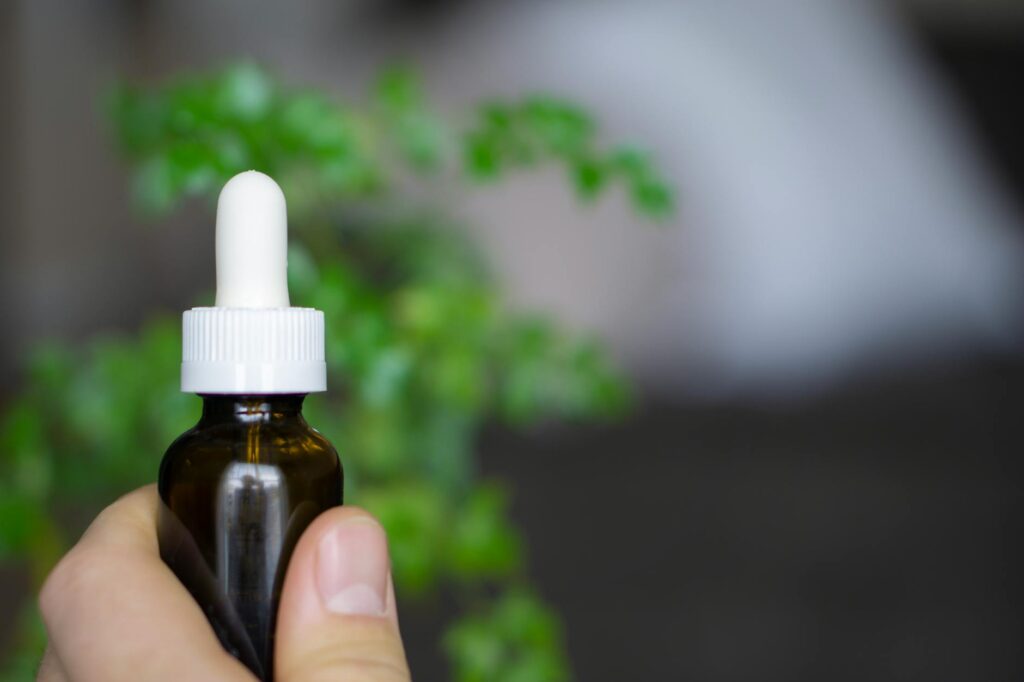
- Containers: Essential oils should be stored in dark glass bottles to protect them from light, which can degrade their quality.
- Temperature: Store oils in a cool, dry place, away from direct sunlight and heat sources. Excessive heat can alter the chemical composition of the oils.
- Shelf Life: Most essential oils have a shelf life of 1 to 3 years, although some can last longer if stored properly. Citrus oils tend to have a shorter shelf life compared to woody or resinous oils.
Aromatherapy Applications
There are various methods to apply aromatherapy blends for pain management:
1. Inhalation: Diffusing essential oils into the air can create an aromatic environment that promotes relaxation and pain relief. Inhaling the scent directly from the bottle or using steam inhalation with hot water is also effective.
2. Topical Application: Blending essential oils with a carrier oil, such as jojoba or sweet almond oil, allows for safe application to the skin. This method is particularly useful for localized pain relief, such as on sore muscles or joints.
3. Bathing: Adding essential oils to bathwater can create a soothing and relaxing experience that helps alleviate tension and pain. It is recommended to dilute the oils with a carrier to prevent skin irritation.
4. Massage: Incorporating essential oils into massage therapy enhances the benefits of both the touch and the aromatherapy, promoting deep relaxation and pain relief.
5. Compresses: A warm or cold compress infused with essential oils can be applied to specific areas of discomfort, offering targeted relief.
Safety Considerations
While aromatherapy is generally considered safe, certain precautions should be taken:
Storage and Shelf Life
Proper storage of essential oils is crucial to maintain their potency and efficacy. Here are some guidelines:
Frequently Asked Questions
1. Can aromatherapy completely eliminate pain?
While aromatherapy can significantly reduce pain and promote relaxation, it is not a substitute for professional medical treatment. Its effectiveness varies from person to person.
2. How do I choose the right essential oils for pain management?
Selecting essential oils involves considering individual preferences, the type of pain, and any potential sensitivities. Researching the properties of various oils or consulting with a knowledgeable practitioner can assist in making informed choices.
3. Can I use essential oils if I have sensitive skin?
Those with sensitive skin should always dilute essential oils with a carrier oil and perform a patch test before using them more broadly. It is advisable to consult with a healthcare provider if you have concerns.
4. Are there any essential oils that should be avoided?
Certain essential oils may be contraindicated for individuals with specific medical conditions or those who are pregnant. Oils like sage, jasmine, and rosemary should be used cautiously or avoided in these cases.
5. Can I create my own pain management blend?
Absolutely! Creating personalized essential oil blends can be a rewarding experience. However, it is important to research the properties of each oil and follow safe dilution guidelines.
Conclusion
The history and origins of aromatherapy for pain management blends reflect a holistic approach to health that has endured through the ages. By harnessing the natural properties of essential oils, individuals can explore a variety of applications that may enhance their well-being and alleviate discomfort. As with any therapeutic practice, it is essential to approach aromatherapy with informed awareness and respect for safety protocols. Through understanding and utilizing these ancient practices, individuals can find support in their journey toward managing pain naturally.