
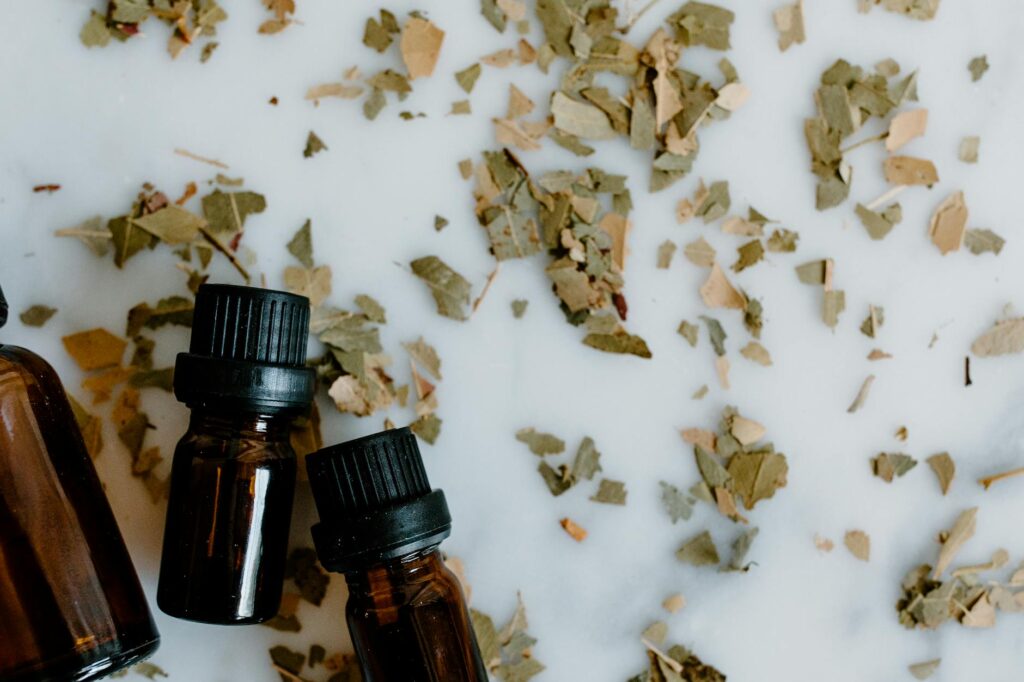
History and Origins of Aromatherapy for Respiratory Health Blends
Introduction
Aromatherapy, a holistic healing practice using essential oils extracted from plants, has a rich history and a diverse range of applications. Among its many uses, respiratory health blends stand out for their potential to support respiratory function and enhance overall well-being. This article delves into the history and origins of aromatherapy for respiratory health blends, exploring its foundational concepts, benefits, applications, and safety considerations.
What Is Aromatherapy for Respiratory Health Blends?
Aromatherapy for respiratory health blends involves the use of specific essential oils that are believed to support lung function, ease breathing, and provide relief from various respiratory conditions. These oils are derived from a variety of plants, including herbs, flowers, and trees, and are typically inhaled or applied topically. The practice of using aromatic plant extracts for therapeutic purposes dates back thousands of years and has roots in various cultures worldwide.
The essential oils commonly used in respiratory blends include eucalyptus, peppermint, tea tree, and rosemary, among others. These oils may possess properties that are believed to help clear airways, reduce congestion, and promote relaxation.
Key Benefits and Properties
The essential oils used in respiratory health blends are selected for their unique properties, which can vary from one oil to another. Some of the key benefits and properties associated with these oils include:
1. Expectorant Properties: Certain essential oils, like eucalyptus and peppermint, are thought to act as expectorants, helping to loosen mucus and phlegm in the respiratory tract.
2. Anti-inflammatory Effects: Oils such as tea tree and rosemary may possess anti-inflammatory properties, which can assist in reducing irritation in the airways.
3. Antimicrobial Activity: Many essential oils exhibit antimicrobial properties that can help combat harmful pathogens, potentially supporting respiratory health.
4. Relaxation and Stress Relief: The inhalation of calming oils, such as lavender, can promote relaxation and reduce stress, which is beneficial for overall respiratory health.
5. Decongestant Effects: Oils like peppermint and eucalyptus can help open the airways and promote easier breathing, making them popular in respiratory blends.
Common Uses
Aromatherapy blends for respiratory health can be used in various ways, depending on individual preferences and needs. Common applications include:
- Inhalation: Direct inhalation of essential oils or the use of a diffuser can help disperse the aroma throughout a room, allowing for easy access to the therapeutic benefits of the oils.
- Topical Application: Diluted essential oils can be applied to the chest, back, or neck to support respiratory health. It is important to use a carrier oil to ensure safe topical application.
- Steam Inhalation: Adding essential oils to steaming water creates a therapeutic steam inhalation that can provide relief from congestion and promote easier breathing.
- Baths: Incorporating essential oils into a warm bath can provide both respiratory benefits and a relaxing experience.
- Dilution: Essential oils are potent and should always be diluted before topical application. A common guideline is to mix 1-2 drops of essential oil with a carrier oil, such as sweet almond or coconut oil.
- Sensitivity Testing: Before using a new essential oil, conduct a patch test to check for any allergic reactions or sensitivities.
- Pregnancy and Nursing: Certain essential oils may not be safe during pregnancy or while nursing. It is advisable to consult with a healthcare professional before use.
- Children and Pets: Some essential oils can be harmful to children and pets. Always check for safety before using oils around them.
- Quality of Oils: Ensure that the essential oils used are of high quality and sourced from reputable suppliers to avoid contamination and ensure potency.
- Storage Conditions: Essential oils should be stored in a cool, dark place away from direct sunlight and heat sources. This helps prevent degradation and prolongs shelf life.
- Containers: Use dark glass containers, such as amber or cobalt bottles, to protect essential oils from light exposure.
- Shelf Life: The shelf life of essential oils can vary depending on the type. Generally, citrus oils may have a shorter shelf life of 1-2 years, while oils like sandalwood and patchouli can last for several years if stored properly.
Aromatherapy Applications
Aromatherapy blends designed for respiratory health can be tailored to specific needs. Here are some common applications:
Cold and Flu Relief
Essential oils such as eucalyptus, tea tree, and lemon can be combined to create a blend aimed at relieving symptoms associated with colds and flu. This blend may be used in a diffuser or a steam inhalation to help clear nasal passages.
Allergy Support
For individuals suffering from seasonal allergies, a blend containing peppermint, lavender, and chamomile may provide relief. These oils can be diffused or used in a topical roll-on for easy application.
Respiratory Wellness
A general respiratory wellness blend may incorporate oils like rosemary, frankincense, and thyme. This blend can be used regularly to support lung health and promote a sense of well-being.
Relaxation and Stress Relief
As stress can negatively impact respiratory health, a blend that includes calming oils such as lavender, bergamot, and clary sage can be beneficial. This mixture can be diffused in living spaces or used in a relaxing bath.
Safety Considerations
While aromatherapy can offer various benefits, it is crucial to use essential oils safely. Here are some important safety considerations:
Storage and Shelf Life
Proper storage is essential for maintaining the potency and effectiveness of essential oils. Here are some guidelines:
Frequently Asked Questions
1. Can aromatherapy completely cure respiratory conditions?
Aromatherapy is not a substitute for medical treatment. While essential oils may provide support for respiratory health, it is essential to consult a healthcare professional for any serious conditions.
2. How do I choose the right essential oils for respiratory health?
Select essential oils based on their properties and your specific needs. For example, eucalyptus and peppermint are popular for congestion, while lavender can promote relaxation.
3. Can I use multiple essential oils in one blend?
Yes, many people create custom blends by combining different essential oils. Start with a few drops of each oil and adjust according to your preferences.
4. Are there any side effects associated with using essential oils?
Some individuals may experience allergic reactions or sensitivities to certain essential oils. Always perform a patch test before using a new oil topically.
5. How often can I use aromatherapy for respiratory health?
The frequency of use depends on individual preferences and sensitivities. It is advisable to start with a few applications per week and adjust as needed.
Conclusion
The history and origins of aromatherapy for respiratory health blends reveal a fascinating interplay of tradition, culture, and natural healing. As we continue to explore the benefits and applications of essential oils, it is essential to approach their use with knowledge, respect, and caution. While aromatherapy can complement a holistic approach to wellness, it is crucial to prioritize safety and consult with healthcare professionals when necessary. Through informed and mindful use, individuals can harness the potential of aromatherapy to enhance their respiratory health and overall well-being.