
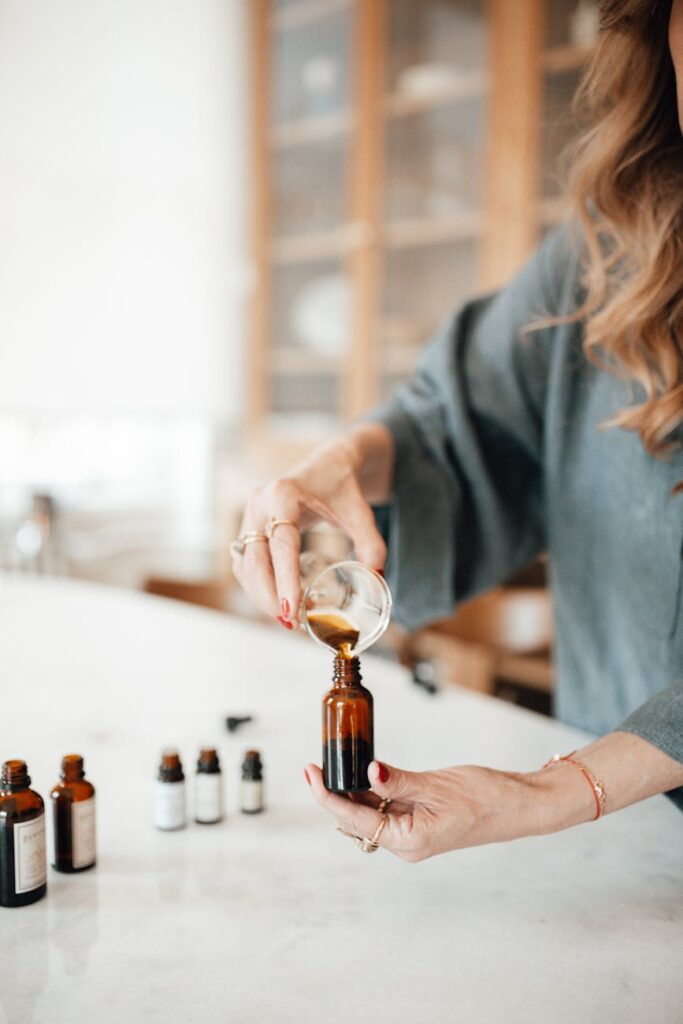
History and Origins of Aromatherapy for Seasonal Affective Disorder (SAD) Blends
Introduction
Aromatherapy, the practice of using essential oils for therapeutic purposes, has a rich and varied history that spans thousands of years. Its application for conditions such as Seasonal Affective Disorder (SAD) has gained attention in contemporary wellness practices. This article explores the historical background of aromatherapy, its specific use for SAD blends, and the various components that contribute to its efficacy.
What Is Aromatherapy for Seasonal Affective Disorder (SAD) Blends?
Seasonal Affective Disorder (SAD) is a type of depression that occurs at certain times of the year, often during the fall and winter months when daylight hours are shorter. It is characterized by symptoms such as low energy, mood swings, and changes in sleep patterns. Aromatherapy for SAD involves the application of essential oils that are thought to have uplifting and stabilizing properties, potentially helping to alleviate some of these symptoms.
Essential oils are concentrated extracts from plants, which contain the plant’s natural fragrance and therapeutic properties. When used in specific blends, these oils aim to enhance mood, promote relaxation, and provide emotional support. Common oils used in SAD blends include lavender, bergamot, citrus oils, and ylang-ylang.
Key Benefits and Properties
The benefits of aromatherapy for SAD blends stem from the individual properties of the essential oils used. Here are some key properties that make them particularly suitable for alleviating symptoms associated with SAD:
Uplifting Properties
Many essential oils have uplifting and mood-enhancing properties. Citrus oils like lemon, orange, and grapefruit are renowned for their ability to invigorate the mind and reduce feelings of sadness. Bergamot oil, derived from the bergamot orange, is often regarded for its ability to promote emotional well-being and alleviate stress.
Calming and Relaxing Effects
Essential oils such as lavender and chamomile possess calming properties that can help reduce anxiety and promote restful sleep. This is particularly beneficial for individuals experiencing sleep disturbances as part of their SAD symptoms.
Stress Relief
Oils like frankincense and ylang-ylang have been shown to reduce stress levels by promoting relaxation and a sense of peace. These oils can help create a balanced emotional state, essential for combating the effects of SAD.
Common Uses
Aromatherapy for SAD blends can be utilized in various ways, making it a versatile option for individuals seeking relief. Common uses include:
- Diffusion: Adding essential oils to a diffuser allows the aroma to spread throughout a room, creating an uplifting environment.
- Inhalation: Directly inhaling essential oils from the bottle or a cotton ball can provide immediate mood enhancement.
- Topical Application: Diluting essential oils with a carrier oil and applying them to pulse points can promote relaxation and improve mood.
- Bathing: Adding essential oils to bathwater can create a soothing atmosphere, enhancing the overall bathing experience.
- Base Notes: These are often heavier and linger longer, such as sandalwood or patchouli, providing grounding.
- Middle Notes: These form the heart of the blend, like lavender or geranium, which can promote emotional balance.
- Top Notes: These are light and uplifting, such as citrus oils, that provide an initial burst of fragrance.
- Cool, Dark Place: Store essential oils in a cool, dark place away from direct sunlight, which can degrade their quality.
- Sealed Containers: Keep oils in tightly sealed dark glass bottles to prevent oxidation and contamination.
- Shelf Life: The shelf life of essential oils can vary; citrus oils typically last 1-2 years, while woody oils like cedarwood may last up to 10 years. Always check for changes in scent or color as indicators of spoilage.
Aromatherapy Applications
Blending Techniques
Creating essential oil blends specifically for SAD involves understanding the properties of each oil and how they interact. When blending oils, it is essential to consider the base, middle, and top notes to create a harmonious scent profile. For instance:
Sample Blends
Here are a few example blends that can be used for seasonal affective disorder:
1. Citrus Uplift Blend: Combine 3 drops of bergamot, 2 drops of lemon, and 1 drop of grapefruit. This blend is designed to elevate mood and bring a sense of joy.
2. Calming Lavender Blend: Mix 4 drops of lavender with 2 drops of ylang-ylang and 1 drop of frankincense. This blend focuses on relaxation and stress relief.
3. Balance and Harmony Blend: Combine 2 drops of chamomile, 2 drops of geranium, and 2 drops of orange. This blend aims to balance emotions and promote a sense of well-being.
Safety Considerations
While aromatherapy can offer numerous benefits, it is essential to consider safety and proper usage:
Dilution
Essential oils are highly concentrated and should typically be diluted with a carrier oil (such as jojoba, coconut, or almond oil) before topical application. A general guideline is to use a 1% to 5% dilution depending on individual sensitivity and the intended use.
Allergies and Sensitivities
Individuals should perform a patch test before applying any new oil to the skin. Additionally, those with allergies or sensitivities should consult with a professional before using essential oils, particularly during pregnancy or when nursing.
Quality of Oils
The quality of essential oils can vary significantly between brands. It is advisable to choose oils that are 100% pure and therapeutic grade. This ensures that the oils are free from synthetic additives or contaminants.
Storage and Shelf Life
Proper storage of essential oils is essential to maintain their efficacy and aroma. Here are some best practices:
Frequently Asked Questions
1. Can I use essential oils if I have allergies?
While many people can use essential oils safely, those with allergies should proceed with caution. A patch test is recommended to check for any skin reactions.
2. Are there any contraindications for using essential oils?
Certain essential oils may not be suitable for pregnant or nursing individuals, as well as those with specific health conditions. Always consult with a healthcare professional if unsure.
3. How often can I use aromatherapy for SAD?
The frequency of use can vary based on individual preferences. However, many people find that using blends daily, especially during peak SAD months, can be beneficial.
4. Can aromatherapy replace traditional treatments for SAD?
While aromatherapy can be a supportive tool, it is not a substitute for professional medical treatment. Those experiencing significant symptoms of SAD should consult a healthcare provider.
5. What is the best way to integrate aromatherapy into my daily routine?
Incorporating aromatherapy into your routine can be as simple as using a diffuser in your workspace, applying a soothing blend before bed, or enjoying a relaxing bath with essential oils. Finding a method that resonates with you can enhance the overall experience.
Conclusion
The history and origins of aromatherapy reveal a timeless practice that continues to evolve, particularly in its application for conditions like Seasonal Affective Disorder. By understanding the properties of essential oils and how they can be effectively blended, individuals can create personalized aromatherapy experiences that enhance their emotional well-being. Through careful application, safety considerations, and knowledge of proper storage, aromatherapy can serve as a valuable addition to one’s holistic approach to managing SAD.