
History and Origins of Aromatherapy for Seasonal Affective Disorder (SAD) Prevention Blends
Introduction
Aromatherapy, the therapeutic use of essential oils, has a rich historical context that spans centuries and cultures. It encompasses various applications, including emotional well-being, relaxation, and mood enhancement. One area of particular interest is the use of aromatherapy for managing Seasonal Affective Disorder (SAD), a type of depression that occurs at certain times of the year, particularly in winter months when daylight is scarce. This article delves into the history and origins of aromatherapy, focusing on its role in creating blends aimed at preventing and alleviating the symptoms of SAD.
What Is Aromatherapy for Seasonal Affective Disorder (SAD) Prevention Blends?
Aromatherapy employs essential oils derived from plants to promote physical and emotional well-being. Specific blends can be formulated to address the symptoms associated with SAD, which may include feelings of hopelessness, lethargy, and irritability. These blends often feature oils believed to uplift mood and provide a sense of comfort and clarity.
The practice of utilizing essential oils for emotional well-being can be traced back to ancient civilizations. The Egyptians, Greeks, and Romans all employed aromatic substances for various purposes, including spiritual rituals, medicinal treatments, and personal care. In contemporary times, the focus has shifted towards specific applications, such as the development of prevention blends for SAD.
Key Benefits and Properties
Essential oils used in aromatherapy for SAD prevention blends possess a variety of beneficial properties. Some of the key benefits include:
- Mood Enhancement: Certain essential oils, like bergamot and citrus oils, are known for their uplifting qualities. They may help alleviate feelings of sadness and promote a sense of happiness.
- Stress Reduction: Oils such as lavender and chamomile have calming effects, which can help mitigate stress and anxiety often exacerbated during the darker months.
- Energy Boost: Peppermint and rosemary essential oils are invigorating and may help combat fatigue and lethargy, common symptoms of SAD.
- Cognitive Clarity: Oils that stimulate the mind, such as lemon and eucalyptus, can enhance focus and mental clarity, counteracting the fog often experienced during winter months.
- Diffusion: Adding essential oils to a diffuser allows for the gradual release of their aroma into the environment, creating a pleasant atmosphere that can uplift the mood.
- Inhalation: Direct inhalation of essential oils can provide immediate emotional benefits. This method is particularly useful during moments of acute sadness or lethargy.
- Topical Application: When diluted with a carrier oil, essential oil blends can be applied to pulse points, such as wrists and behind the ears, allowing for personal, portable aromatherapy.
- Bathing: Incorporating essential oils into baths can create a soothing environment conducive to relaxation and rejuvenation.
- Dilution: Essential oils should be diluted with a carrier oil (such as jojoba, coconut, or almond oil) before topical application to prevent skin irritation.
- Quality of Oils: Use high-quality, pure essential oils free from synthetic additives. This ensures that the oils’ therapeutic properties are preserved.
- Allergic Reactions: Conduct a patch test before using a new essential oil. Apply a small amount of diluted oil to a small area of skin and wait 24 hours to check for any adverse reactions.
- Consultation: Individuals with specific health conditions, pregnant or nursing women, and those on medication should consult with a qualified professional before using essential oils.
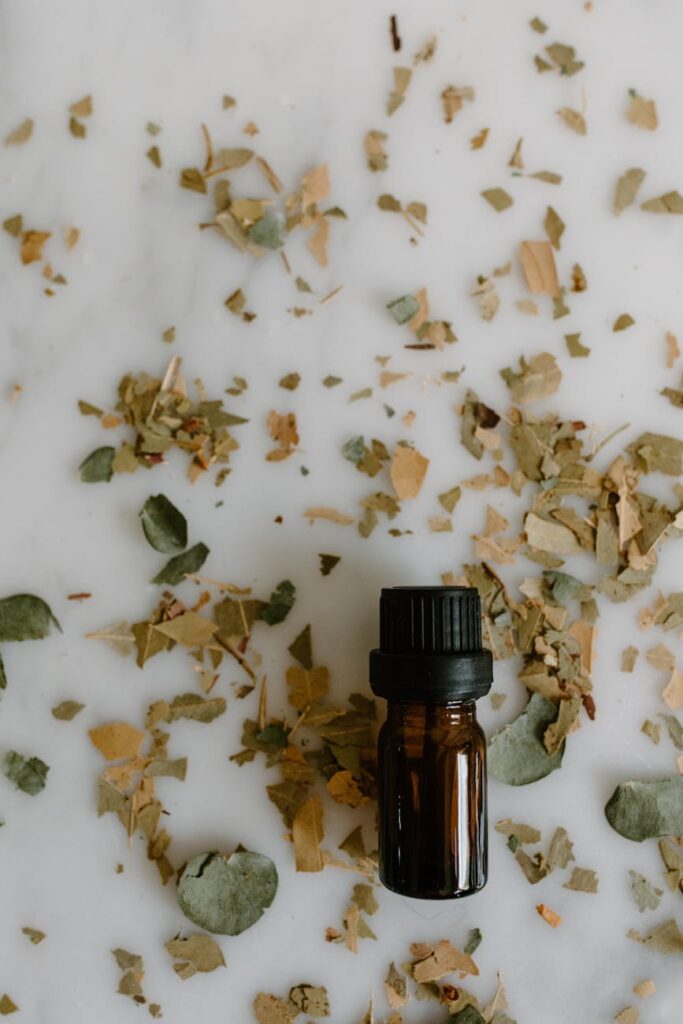
- Dark Glass Containers: Essential oils should be stored in dark glass bottles to protect them from light, which can degrade their quality.
- Cool, Dry Place: Store oils in a cool, dry environment, away from direct sunlight and heat sources.
- Shelf Life: The shelf life of essential oils varies. Citrus oils tend to have a shorter shelf life (around 1-2 years), while oils like sandalwood and patchouli can last for several years if stored properly.
Common Uses
Aromatherapy blends for SAD can be utilized in various ways, making them versatile tools for emotional support. Common uses include:
Aromatherapy Applications
The application of aromatherapy for SAD involves the careful selection and blending of essential oils. Some popular blends include:
1. Uplifting Citrus Blend: Combining oils such as sweet orange, lemon, and grapefruit can create an invigorating and cheerful atmosphere.
2. Calming Floral Blend: A mixture of lavender, ylang-ylang, and geranium can provide a soothing effect, which may be beneficial during moments of stress or anxiety.
3. Invigorating Herbal Blend: Utilizing oils like peppermint, rosemary, and basil can help combat fatigue and stimulate the senses.
4. Grounding Woodsy Blend: Cedarwood and sandalwood can create a sense of stability and comfort, providing emotional grounding during turbulent times.
To create effective blends, it’s important to consider the individual preferences and sensitivities of users. Testing small amounts of different oils to find the most appealing combinations is often a beneficial approach.
Safety Considerations
While aromatherapy is generally considered safe, it is essential to follow certain guidelines to minimize risks:
Storage and Shelf Life
Proper storage of essential oils is crucial for maintaining their potency and effectiveness. Here are some tips for storage:
Regularly check the oils for changes in scent, color, or viscosity, as these can be indicators of spoilage.
Frequently Asked Questions
1. How do I choose the right essential oils for my SAD prevention blend?
Selecting essential oils often depends on personal preference and desired effects. Start by exploring oils known for their uplifting or calming properties, and consider blending several oils to create a harmonious aroma that resonates with you.
2. Can I use aromatherapy in combination with other treatments for SAD?
Aromatherapy can complement other therapeutic modalities, but it is essential to consult a healthcare provider to ensure a coordinated approach.
3. How often should I use aromatherapy for SAD prevention?
Frequency of use can vary based on individual needs. Some may benefit from daily use, while others might find it helpful during specific moments of distress or low mood.
4. Are there any essential oils that should be avoided?
Certain oils may interact with medications or have contraindications for specific health conditions. Always research and consult with a healthcare professional if unsure.
5. Can I create my own blends at home?
Yes, creating personal blends at home can be rewarding. Experiment with different combinations and methods to find what works best for your emotional well-being.
Conclusion
Aromatherapy has a historical legacy that underscores its potential for emotional support, particularly in the context of Seasonal Affective Disorder (SAD). By understanding the origins, benefits, and applications of aromatherapy, individuals can harness the power of essential oils to promote emotional well-being during the challenging winter months. As with any holistic practice, it’s essential to approach aromatherapy thoughtfully, respecting both the art and science behind it.