
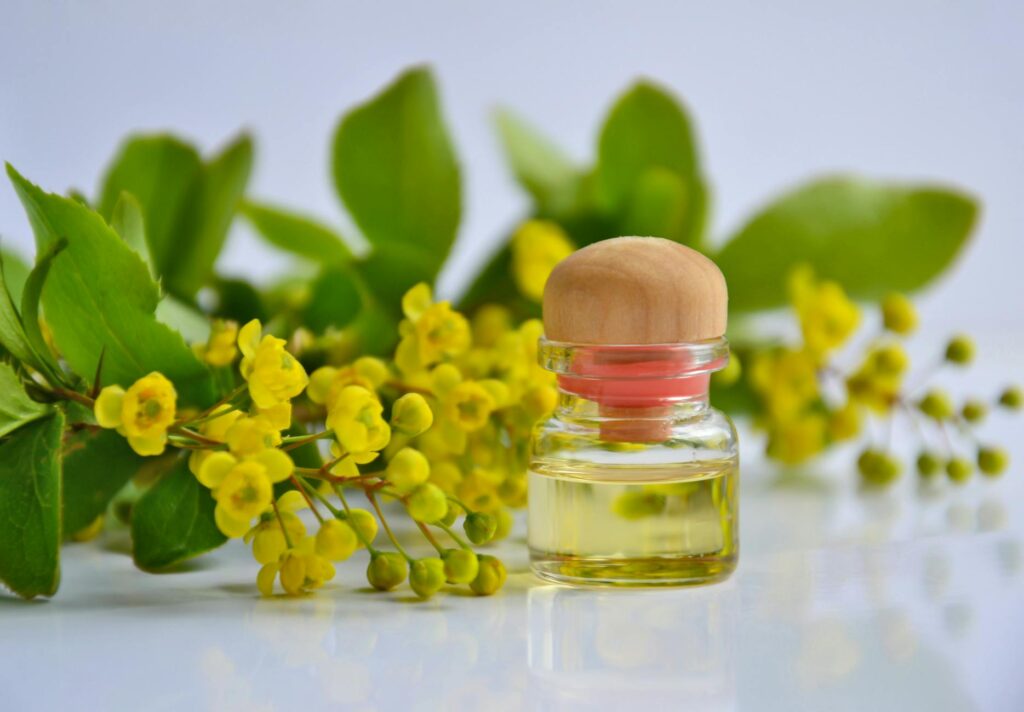
History and Origins of Aromatherapy for Seasonal Immune Support Blends
Introduction
Aromatherapy, the practice of using essential oils for therapeutic benefits, has ancient roots that span various cultures and continents. Its application for seasonal immune support is a modern adaptation of these traditional practices, aimed at promoting well-being during times when the immune system may be challenged. This article explores the history and origins of aromatherapy, particularly in relation to seasonal immune support blends, shedding light on the evolution of this holistic approach and its relevance today.
What Is Aromatherapy for Seasonal Immune Support Blends?
Aromatherapy involves the use of aromatic plant extracts, known as essential oils, which are derived from various parts of plants, including leaves, flowers, bark, and roots. These oils are believed to possess unique properties that can influence physical, emotional, and mental health. Seasonal immune support blends specifically target the body’s natural defenses during times of year when respiratory issues or immune challenges are more prevalent, such as fall and winter.
These blends may include essential oils known for their antiviral, antibacterial, and immune-boosting properties. Common components of these blends might include eucalyptus, tea tree, lavender, and lemon, among others. The usage of these oils can offer a multifaceted approach to enhancing well-being during vulnerable seasons.
Key Benefits and Properties
The key benefits of aromatherapy for seasonal immune support can be categorized into several areas:
Immune System Support
Certain essential oils are known for their ability to bolster the immune system. For example, eucalyptus oil is often recognized for its antimicrobial properties, while tea tree oil possesses both antiviral and antibacterial qualities. These properties may help the body fend off seasonal illnesses.
Respiratory Health
Many essential oils are beneficial for respiratory health. Peppermint and eucalyptus, for instance, are commonly used to promote clear breathing and ease congestion. Their invigorating scents can open up airways and improve overall respiratory function.
Stress Relief
Seasonal changes can often lead to increased stress or anxiety, which may adversely affect immune function. Oils such as lavender and chamomile are frequently used for their calming effects, promoting relaxation and emotional well-being. Stress management is an essential aspect of maintaining a robust immune system.
Enhanced Mood
The sensory experience of aromatherapy can elevate mood and promote positivity, which may be beneficial during seasons characterized by shorter daylight hours and colder weather. Citrus oils like lemon and orange are uplifting and can help combat seasonal blues.
Common Uses
Aromatherapy for seasonal immune support can be employed in various ways:
Diffusion
One of the most popular methods of using essential oils is through diffusion. An essential oil diffuser disperses the oils into the air, allowing for inhalation and absorption into the body. This method can create a pleasant ambiance while simultaneously promoting respiratory health and immune support.
Topical Application
Many essential oils can be blended with carrier oils and applied to the skin. This method allows for localized benefits, particularly for respiratory issues. However, caution should be exercised, as some oils may irritate sensitive skin and should be diluted appropriately.
Inhalation
Inhaling essential oils directly from the bottle or from a tissue can provide immediate effects. This method is particularly useful for respiratory support, as it allows the oils to quickly enter the respiratory system.
Bathing
Adding essential oils to a warm bath can create a soothing experience, combining relaxation with therapeutic benefits. This method is especially effective for stress relief and general well-being.
Household Cleaning
Certain essential oils, such as tea tree and lemon, possess natural antimicrobial properties and can be used in homemade cleaning products. This application can help create a healthier living environment, further supporting immune health.
Aromatherapy Applications
Seasonal Blends
When creating seasonal immune support blends, it is essential to consider the properties of various essential oils. Here are some popular oils and their applications:
- Eucalyptus: Known for its expectorant qualities, eucalyptus oil can help clear the respiratory tract and is often included in blends aimed at alleviating congestion.
- Tea Tree: With its potent antibacterial and antiviral properties, tea tree oil is a staple in immune support blends, particularly for its ability to combat infections.
- Peppermint: This oil is refreshing and invigorating, often used to ease headaches and promote clarity, which can be helpful during times of stress.
- Lemon: The bright, uplifting scent of lemon oil is not only refreshing but also has antimicrobial properties, making it a valuable addition to blends aimed at enhancing mood and supporting the immune system.
- Lavender: Renowned for its calming effects, lavender oil can help alleviate stress and promote restful sleep, both crucial for maintaining a healthy immune system.
- 3 drops of eucalyptus oil
- 2 drops of tea tree oil
- 2 drops of lemon oil
- 1 drop of lavender oil
- Dilution: Essential oils are potent and should be diluted with a carrier oil (such as jojoba or coconut oil) before applying to the skin to prevent irritation.
- Allergies and Sensitivities: Individuals with allergies or sensitivities should conduct a patch test before using a new essential oil. This involves applying a small amount of diluted oil to a discreet area of skin to check for adverse reactions.
- Pregnancy and Medical Conditions: Pregnant individuals and those with specific medical conditions should consult a qualified professional before using essential oils.
- Quality of Oils: The quality of essential oils can vary significantly. It is advisable to choose oils from reputable sources that provide information about purity and sourcing.
- Cool, Dark Place: Essential oils should be stored in a cool, dark place, away from direct sunlight and heat, which can degrade their quality.
- Sealed Containers: Keeping oils in tightly sealed containers can prevent oxidation and contamination.
- Shelf Life: The shelf life of essential oils varies. Generally, citrus oils have a shorter shelf life (about 1-2 years), while oils like sandalwood and patchouli can last up to 5 years or more. Always check for changes in scent or appearance before use.
Crafting Your Own Blends
Creating personalized seasonal immune support blends involves combining essential oils based on their properties and your individual preferences. A simple recipe might include:
Mix these oils in a diffuser or blend with a carrier oil for topical application. Experimentation can lead to a blend that resonates with your senses and meets your needs.
Safety Considerations
While aromatherapy can be beneficial, it is essential to approach its use with caution. Here are some safety considerations:
Storage and Shelf Life
Proper storage of essential oils is crucial to maintain their efficacy. Here are some guidelines:
Frequently Asked Questions
1. Can I use essential oils if I have allergies?
While many people can benefit from essential oils, those with allergies should be cautious. Conduct a patch test and consult a healthcare professional if you have specific concerns.
2. How often can I use aromatherapy for seasonal immune support?
Frequency varies based on individual preferences and needs. Some may find daily use beneficial, while others may choose to use oils as needed. Listening to your body is essential.
3. Are there any essential oils to avoid during pregnancy?
Certain essential oils, such as sage, rosemary, and clary sage, are often advised against during pregnancy. It is best to seek guidance from a healthcare professional.
4. Can I use essential oils on children?
Some essential oils can be used safely with children, but it is crucial to dilute them properly and to consult a qualified professional for age-appropriate recommendations.
5. What should I do if I experience an adverse reaction to an essential oil?
If you experience any adverse reactions, such as skin irritation or respiratory issues, discontinue use immediately and consult a healthcare professional if necessary.
Conclusion
Aromatherapy for seasonal immune support blends is a holistic practice rooted in ancient traditions, adapting over time to meet contemporary needs. Understanding the history, benefits, and safe usage of essential oils can empower individuals to harness their potential for enhancing health and well-being. As always, a thoughtful approach to aromatherapy can lead to a rewarding and enriching experience.