
History and Origins of Aromatherapy for Seasonal Mood Regulation Blends
Introduction
Aromatherapy, the practice of using essential oils for therapeutic purposes, has roots that extend back thousands of years. While the modern understanding of aromatherapy focuses on mood regulation and emotional well-being, its historical applications were multifaceted, encompassing physical, spiritual, and psychological healing. In recent years, there has been a surge of interest in using aromatherapy specifically for seasonal mood regulation. This article delves into the history and origins of aromatherapy, exploring its evolution, key benefits, common uses, and practical applications for seasonal mood fluctuations.
What Is Aromatherapy for Seasonal Mood Regulation Blends?
Aromatherapy involves the use of concentrated plant extracts known as essential oils, which are derived from various parts of plants, including leaves, flowers, bark, and roots. Seasonal mood regulation blends are specifically formulated combinations of these essential oils designed to enhance emotional well-being during times when individuals may experience mood fluctuations, such as during seasonal transitions.
The practice of using scents to influence mood can be traced back to ancient civilizations. Egyptians used aromatic oils in religious rituals and embalming processes, while the Greeks and Romans incorporated them into their medicines and baths. Today, aromatherapy is recognized as a holistic practice that can complement traditional mental health strategies.
Key Benefits and Properties
Emotional Balance
Essential oils used in seasonal mood regulation blends are often chosen for their potential to promote emotional balance. Oils like lavender, bergamot, and chamomile are known for their calming properties, helping to alleviate stress and anxiety.
Increased Energy
Conversely, some oils, such as peppermint and citrus oils like lemon and orange, are invigorating and can help combat feelings of lethargy often experienced during darker seasons. These uplifting scents can help stimulate the mind and enhance mood.
Aromatic Memory
The olfactory system, responsible for our sense of smell, is closely linked to the limbic system, the part of the brain that processes emotions. This connection explains why scents can evoke vivid memories and emotional responses. Seasonal mood regulation blends leverage this connection to promote feelings of happiness or tranquility.
Physical Well-Being
While aromatherapy is primarily focused on emotional health, certain oils may also provide physical benefits. For example, eucalyptus can help clear the sinuses, which can be particularly beneficial during the winter months when colds are prevalent.
Common Uses
Aromatherapy for seasonal mood regulation can be utilized in various contexts, including:
Seasonal Affective Disorder (SAD)
Individuals experiencing Seasonal Affective Disorder—a type of depression that occurs at certain times of the year—may find relief through the use of specific essential oil blends. Oils like jasmine, grapefruit, and ylang-ylang can be particularly beneficial for enhancing mood and combating sadness.
Stress Management
During transitional seasons, stress levels may rise due to changes in routine or environmental factors. Aromatherapy can help create a calming atmosphere. Oils such as lavender, sandalwood, and frankincense are often included in blends aimed at stress relief.
Enhancing Focus and Productivity
Certain essential oils can aid in improving focus and productivity, especially during seasons when motivation may wane. Oils like rosemary and lemon can stimulate mental clarity and concentration.
Sleep Support
Changes in seasons can also impact sleep patterns. Oils like chamomile and cedarwood can be incorporated into evening routines to promote relaxation and improve sleep quality.
Aromatherapy Applications
There are various methods of applying aromatherapy, each suited to different preferences and settings:
Diffusion
Using a diffuser is one of the most common ways to disperse essential oils into the air. This method allows for a gentle and continuous release of fragrance, creating a soothing environment. Diffusers can be used at home, in offices, or during meditation practices.
Topical Application
Essential oils can be diluted with carrier oils (such as jojoba, almond, or coconut oil) for topical application. This method allows for direct interaction with the skin. Seasonal mood regulation blends can be applied to pulse points, such as wrists and temples, for a personal aromatic experience.
Inhalation
Simply inhaling essential oils directly from the bottle or from a cotton pad can provide immediate benefits. This method is particularly useful for quick pick-me-ups during moments of low energy or stress.
Bath Soaks
Adding essential oils to bathwater creates a luxurious and therapeutic experience. Oils like lavender or ylang-ylang can enhance relaxation during a warm bath, providing both physical and emotional benefits.
Aromatherapy Products
Various commercial products, such as scented candles, rollerball blends, and room sprays, are available for those who prefer ready-made options. These products often contain specific combinations of essential oils designed for seasonal mood enhancement.
Safety Considerations
While aromatherapy is generally regarded as safe, it is essential to consider certain precautions:
Dilution
Essential oils are highly concentrated and should be diluted before topical application to avoid skin irritation. A common dilution ratio is 1-2 drops of essential oil per teaspoon of carrier oil.
Allergies and Sensitivities
Individuals should conduct a patch test prior to widespread use of a new essential oil. This involves applying a diluted drop on a small area of skin and waiting 24 hours to check for any adverse reaction.
Pregnancy and Nursing
Pregnant or nursing individuals should consult with a qualified professional before using essential oils, as some may not be safe during these periods.
Children and Pets
Certain essential oils may not be suitable for children or pets. It’s essential to research and ensure that any oils used around them are safe and appropriately diluted.
Storage and Shelf Life
Proper storage of essential oils is crucial for maintaining their potency and effectiveness. Consider the following guidelines:
Storage Conditions
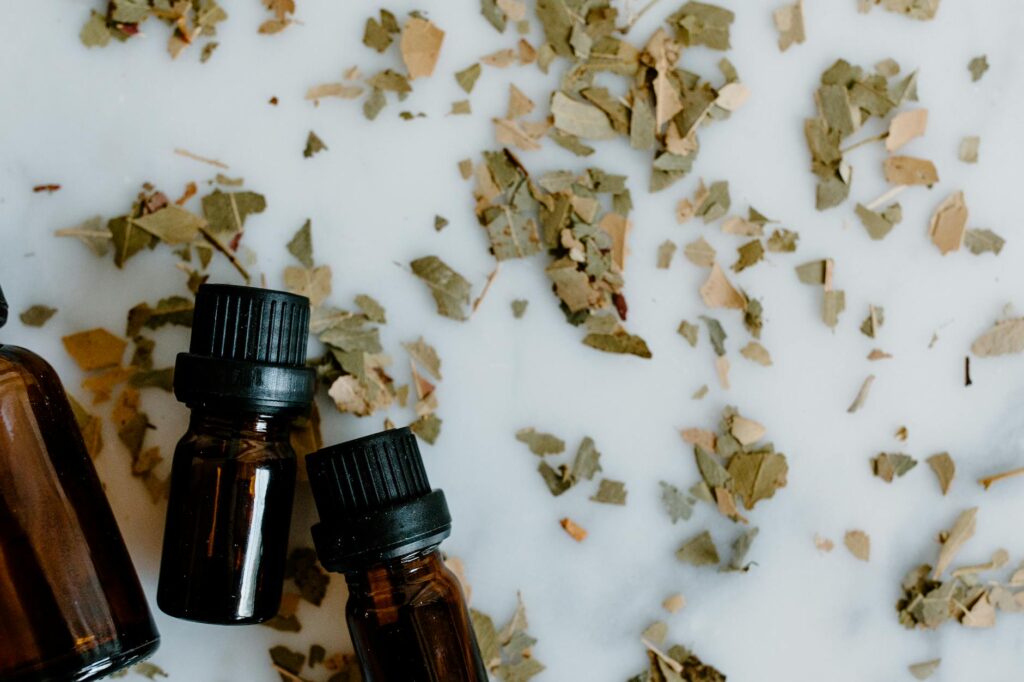
Essential oils should be stored in a cool, dark place, away from direct sunlight and heat sources. Dark glass bottles are preferable as they protect the oils from light degradation.
Shelf Life
The shelf life of essential oils can vary, but generally, they can last anywhere from 1-5 years depending on the type of oil and storage conditions. Citrus oils tend to have a shorter shelf life, while oils like patchouli and sandalwood can improve with age.
Frequently Asked Questions
Can aromatherapy replace traditional mental health treatments?
Aromatherapy is not intended to replace traditional mental health treatments but can serve as a complementary practice. It is essential for individuals to consult with healthcare professionals regarding their mental health care.
Are there specific essential oils for winter blues?
Essential oils such as bergamot, frankincense, and clary sage are often recommended for their uplifting properties, making them suitable choices for combating winter blues.
How often can I use aromatherapy?
Aromatherapy can be used as frequently as desired, although it is advisable to take breaks from any specific oil to assess personal sensitivity and effectiveness.
Can I create my own seasonal mood regulation blend?
Absolutely! Creating your own blend allows for personalization based on individual preferences and needs. Start with a base of a few complementary oils, ensuring to research their properties and benefits.
Conclusion
The history of aromatherapy is rich and varied, reflecting humanity’s long-standing connection to nature and the healing properties of plants. Seasonal mood regulation blends harness this connection, offering a holistic approach to emotional well-being during different times of the year. By understanding the origins, benefits, applications, and safety considerations surrounding these blends, individuals can make informed choices about incorporating aromatherapy into their lives. Whether it is through diffusion, topical application, or the creation of personalized blends, the potential of essential oils for enhancing mood remains a fascinating area of exploration in the realm of holistic health.