
History and Origins of Aromatherapy for Self-Discovery Blends
Introduction
Aromatherapy is an ancient practice that harnesses the therapeutic benefits of essential oils derived from various plants. While it has been used for centuries, its specific application in self-discovery blends is a more recent development, reflecting the growing interest in personal growth and emotional well-being. This article delves into the history and origins of aromatherapy, particularly focusing on the evolution of self-discovery blends, their benefits, applications, and safety considerations.
What Is Aromatherapy for Self-Discovery Blends?
Aromatherapy for self-discovery blends refers to the intentional use of essential oils to promote self-awareness, emotional balance, and personal reflection. These blends are formulated to support individuals in exploring their inner thoughts, feelings, and motivations. Unlike conventional aromatherapy, which often focuses on physical ailments, self-discovery blends aim to enhance emotional and psychological well-being by creating an environment conducive to introspection and self-exploration.
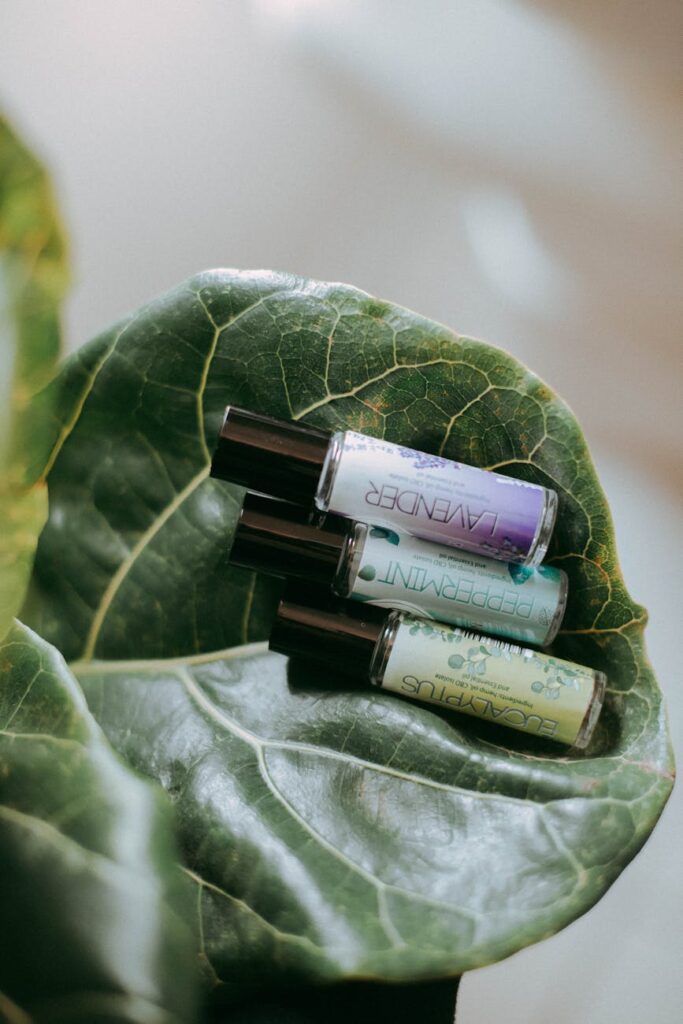
The essential oils used in these blends are selected for their unique aromatic properties and their ability to influence mood and emotional states. Common oils include lavender for relaxation, bergamot for uplifting spirits, and frankincense for grounding.
Key Benefits and Properties
Emotional Balance
One of the primary benefits of self-discovery blends is their capacity to promote emotional balance. Essential oils can evoke specific emotional responses, helping individuals navigate complex feelings and fostering a sense of calm or clarity.
Enhanced Self-Awareness
Using aromatic oils can create an atmosphere that encourages self-reflection. The scents can trigger memories, feelings, and insights, facilitating a deeper understanding of oneself.
Stress Relief
Many essential oils are renowned for their calming properties, providing relief from daily stressors. By utilizing self-discovery blends, individuals may find it easier to relax and focus on their inner thoughts.
Clarity and Focus
Certain oils can enhance mental clarity and concentration, supporting individuals during meditation or journaling practices. This clarity can lead to meaningful insights and discoveries about oneself.
Common Uses
Self-discovery blends can be utilized in various settings and practices:
Meditation
Incorporating essential oils into meditation routines can deepen the experience. Oils like sandalwood or cedarwood can create a serene environment conducive to introspective thought.
Journaling
Many individuals find that using specific scents while journaling can help unlock thoughts and emotions. Blends that include citrus oils may invigorate the mind, while floral oils can soothe the spirit.
Yoga
Integrating self-discovery blends into yoga practices can enhance the experience. Oils like eucalyptus or peppermint can invigorate the body and mind, while chamomile or ylang-ylang can promote relaxation.
Aromatic Rituals
Creating personal rituals using self-discovery blends can be beneficial. This may involve diffusing oils, creating personal sprays, or even using them in baths to create a multisensory experience.
Aromatherapy Applications
The application of self-discovery blends can take several forms:
Diffusion
Using a diffuser to disperse essential oils into the air is a popular method. This allows for the gradual release of aromas, creating an ambient atmosphere that promotes self-reflection.
Topical Application
Essential oils can be diluted with carrier oils and applied to the skin. This method allows for direct interaction with the body’s senses. Common carrier oils include jojoba, sweet almond, or coconut oil.
Inhalation
Simply inhaling essential oils directly from the bottle or by placing a drop on a tissue can provide immediate benefits. This method is quick and effective for experiencing the emotional properties of the oils.
Bathing
Adding essential oils to bath water can create a luxurious self-care experience. The warmth of the water helps to disperse the oils, allowing for a soothing and aromatic bath that encourages relaxation and reflection.
Safety Considerations
While aromatherapy is generally considered safe, certain precautions should be observed:
Dilution
Essential oils are highly concentrated and should be diluted before topical application. A common ratio is 1-2 drops of essential oil per teaspoon of carrier oil.
Skin Sensitivity
Conducting a patch test is recommended for new users. Apply a diluted drop on a small area of skin to check for any allergic reactions or sensitivities.
Avoiding Ingestion
Essential oils should not be ingested unless under the guidance of a qualified professional. Ingesting essential oils can lead to adverse effects.
Pregnancy and Health Conditions
Individuals who are pregnant or have specific health conditions should consult with a qualified professional before using essential oils. Some oils may not be suitable for all individuals.
Storage and Shelf Life
Proper storage of essential oils is essential to maintain their potency and efficacy. Here are some guidelines:
Storage Conditions
Essential oils should be stored in a cool, dark place away from direct sunlight. Amber or cobalt glass bottles are ideal for protecting oils from light exposure.
Shelf Life
The shelf life of essential oils varies depending on the type. Generally, citrus oils have a shorter shelf life (1-2 years), while woods and resins may last longer (up to 10 years). Regularly check for any changes in scent or consistency.
Frequently Asked Questions
1. What essential oils are best for self-discovery blends?
Common oils used in self-discovery blends include lavender, bergamot, frankincense, sandalwood, and ylang-ylang. Each oil has unique properties that can aid in personal exploration.
2. How do I create my own self-discovery blend?
To create a self-discovery blend, start with a base of 2-3 essential oils that resonate with your intentions. Mix them with a carrier oil or use a diffuser to experience the blend.
3. Can I use self-discovery blends daily?
Yes, self-discovery blends can be used daily as part of a personal ritual or self-care routine. However, be mindful of your body’s responses and adjust as needed.
4. Are there any essential oils to avoid?
Certain oils may not be suitable for specific individuals, particularly those who are pregnant or have certain health conditions. Always research or consult a professional before use.
5. Can I mix different brands of essential oils?
Yes, you can mix different brands as long as the oils are pure and of high quality. Quality can vary widely, so it is essential to choose reputable brands.
Conclusion
The history and origins of aromatherapy reveal a rich tapestry of cultural practices and beliefs surrounding the use of essential oils. Self-discovery blends represent a modern interpretation of these ancient practices, emphasizing emotional well-being and personal growth. By understanding their benefits, applications, and safety considerations, individuals can effectively incorporate aromatherapy into their journey of self-exploration. Whether through meditation, journaling, or personal rituals, self-discovery blends hold the potential to unlock deeper insights and foster a greater understanding of oneself.