
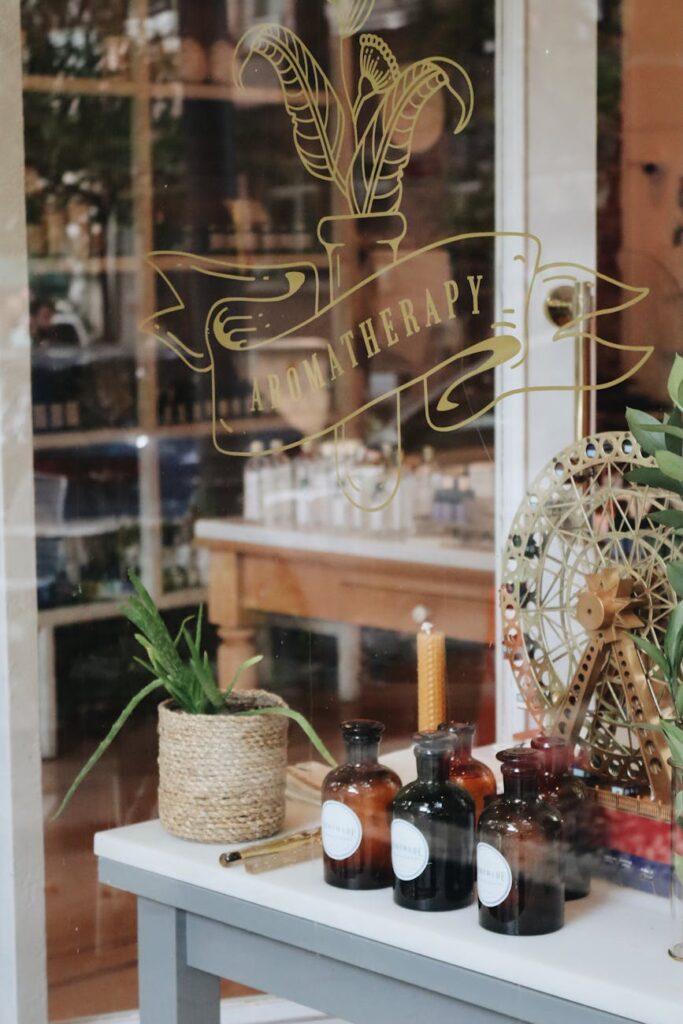
History and Origins of Aromatherapy for Skin Care Blends
Introduction
Aromatherapy, a holistic approach to wellness, utilizes the therapeutic properties of essential oils derived from plants. Its history spans thousands of years, intertwining with ancient practices and evolving into contemporary applications, particularly in skincare. Understanding the origins and development of aromatherapy for skin care blends provides valuable insight into its significance and efficacy in modern wellness routines.
What Is Aromatherapy for Skin Care Blends?
Aromatherapy for skin care blends refers to the practice of using essential oils to enhance skin health and appearance. Essential oils, extracted from various parts of plants—including leaves, flowers, roots, and stems—contain concentrated compounds that can impart numerous benefits. When combined with carrier oils, they can be applied topically to nourish, protect, and rejuvenate the skin.
The field of aromatherapy recognizes that the olfactory system, linked to emotional and physiological responses, plays a vital role in the effectiveness of these blends. Thus, the scent of the essential oils contributes not only to the therapeutic benefits but also to the overall sensory experience.
Key Benefits and Properties
The benefits of incorporating essential oils into skincare are manifold:
1. Moisturization: Certain essential oils can help balance oil production, providing moisture for dry skin while regulating sebum for oily skin types.
2. Anti-inflammatory Properties: Many essential oils are known for their calming effects, helping to reduce redness and irritation.
3. Antioxidant Effects: Essential oils can help combat oxidative stress, protecting the skin from environmental damage.
4. Antimicrobial Action: Some oils possess natural antibacterial and antifungal properties, which can help address skin conditions like acne.
5. Aromatherapeutic Benefits: The emotional benefits of essential oils contribute to overall well-being. For example, lavender can promote relaxation, while citrus oils can invigorate and uplift mood.
Common Uses
Aromatherapy blends for skincare can be adapted for various uses, including but not limited to:
- Facial Oils: Used for moisturizing and targeting specific skin concerns such as aging, acne, or dryness.
- Cleansers: Essential oils can enhance the cleansing process, providing both antimicrobial and soothing effects.
- Masks: Blends can be incorporated into face masks to deliver concentrated benefits.
- Body Oils: These can be used for massages and general skin nourishment.
- Lotions and Creams: Essential oils can be added to emulsions for enhanced skin benefits.
- Dilution: Always dilute essential oils before applying them to the skin. Pure essential oils may cause irritation or allergic reactions, particularly in sensitive individuals.
- Patch Test: Conduct a patch test on a small area of skin to check for any adverse reactions before using a new essential oil or blend extensively.
- Consultation: Individuals with specific skin conditions, pregnant or nursing women, and those with known allergies should consult with a qualified professional before using essential oils.
- Avoid Sensitive Areas: Keep essential oils away from sensitive areas such as the eyes and mucous membranes.
- Store in Dark Glass Containers: Essential oils should be kept in dark glass bottles to protect them from light, which can degrade their quality.
- Cool, Dry Place: Store oils in a cool, dry environment away from direct sunlight and heat sources.
- Check Expiry Dates: Most essential oils have a shelf life of 1–3 years, though some may last longer if stored properly. Regularly check for changes in color, scent, or consistency, which may indicate spoilage.
Aromatherapy Applications
The application of essential oils in skincare can take various forms, including:
1. Topical Application
Essential oils are typically diluted in carrier oils, such as jojoba, sweet almond, or coconut oil, to make them safe for topical application. The general recommendation is to mix 1-3 drops of essential oil with a teaspoon of carrier oil, depending on the potency of the oil and individual skin sensitivity.
2. Diffusion
While primarily associated with inhalation, diffusion can also indirectly benefit the skin. The aromatic compounds released into the air can create a calming environment that may promote stress reduction, indirectly benefiting skin health.
3. Incorporation into Skincare Products
Many commercial skincare products now include essential oils as key ingredients. These products are often formulated to maximize the benefits of the oils while ensuring safety and stability.
4. Bath Soaks
Adding essential oils to bathwater can provide both aromatic and skin-nourishing benefits. It is advisable to mix the oils with a dispersant, such as milk or a carrier oil, to ensure they blend well with water.
Safety Considerations
While essential oils are natural, they are also potent and must be used with caution. Here are some essential safety guidelines:
Storage and Shelf Life
The longevity of essential oils can vary based on their chemical composition and storage conditions. To maximize shelf life:
Frequently Asked Questions
1. Can I use essential oils directly on my skin?
It is generally not recommended to apply essential oils directly to the skin without dilution, as this can lead to irritation or allergic reactions.
2. How do I choose the right essential oils for my skin type?
Consider your skin type and specific concerns. For example, tea tree oil is popular for oily or acne-prone skin, while lavender is often used for sensitive or irritated skin.
3. Can I mix different essential oils together?
Yes, blending essential oils can enhance their benefits. However, it is important to research or consult a professional to ensure compatibility and effectiveness.
4. Are there any essential oils that should be avoided on the skin?
Certain essential oils, like cinnamon or clove, can be irritating and should be used with caution. It is essential to do thorough research or seek professional advice regarding specific oils.
5. How can I incorporate aromatherapy into my skincare routine?
Start by adding a few drops of your chosen essential oil to your existing skincare products, or create your own blends using carrier oils and essential oils tailored to your skin type.
Conclusion
The rich history and evolving practices of aromatherapy for skin care blends reveal a profound connection between nature and wellness. Understanding the origins, benefits, and safe application of essential oils can empower individuals to incorporate these natural solutions into their skincare routines, promoting not just skin health but overall well-being. As this field continues to grow, the integration of traditional practices with modern scientific understanding holds great promise for the future of holistic skin care.