
History and Origins of Aromatherapy for Sleep Disorders Blends
Introduction
Aromatherapy, the practice of using essential oils for therapeutic purposes, has gained significant attention in recent years, particularly for its applications in promoting better sleep. As sleep disorders affect millions of individuals worldwide, the quest for natural remedies has led many to explore the ancient practice of aromatherapy. This article delves into the historical roots, properties, and applications of aromatherapy blends specifically designed to aid sleep, highlighting their evolution from traditional practices to contemporary wellness approaches.
What Is Aromatherapy for Sleep Disorders Blends?
Aromatherapy involves the use of volatile plant extracts known as essential oils, which are derived from flowers, leaves, stems, roots, and other parts of plants. Sleep disorder blends typically consist of a combination of these essential oils, formulated to enhance relaxation, reduce anxiety, and promote restful sleep. Common essential oils used in these blends include lavender, chamomile, cedarwood, and bergamot, each contributing unique properties to the overall effect of the blend.
The practice of aromatherapy can be traced back thousands of years, with roots in various ancient civilizations. While the specific blends for sleep may be a more modern development, the use of aromatic plants for calming and restorative purposes has a long and rich history.
Key Benefits and Properties
Aromatherapy blends for sleep disorders are celebrated for their numerous benefits, many of which have been validated through both historical usage and contemporary research. Some key properties include:
- Relaxation: Essential oils like lavender and chamomile are known for their calming effects, helping to ease tension and promote relaxation.
- Anxiety Reduction: Many blends contain oils that can help alleviate feelings of anxiety, making it easier for individuals to fall asleep.
- Mood Enhancement: Certain oils, such as bergamot, possess uplifting properties that can help improve mood, contributing to a more restful night.
- Sleep Quality Improvement: Aromatherapy can contribute to deeper and more restorative sleep cycles, reducing the likelihood of waking during the night.
- Diffusion: Using an essential oil diffuser to disperse the aroma throughout the room, creating a calming environment conducive to sleep.
- Topical Application: Diluting essential oils in a carrier oil and applying them to pulse points or the soles of the feet can enhance their effects.
- Bath Soaks: Adding a few drops of sleep-promoting essential oils to a warm bath can create a soothing pre-sleep ritual.
- Pillow Sprays: Mist sprays made from essential oils can be applied to pillows and linens, promoting tranquility as one prepares for sleep.
- Dilution: Essential oils should always be diluted with a carrier oil before applying to the skin to prevent irritation.
- Allergies: Individuals should conduct a patch test to check for allergic reactions before full application.
- Pregnancy and Nursing: Pregnant or nursing individuals should consult with a healthcare provider before using essential oils.
- Medical Conditions: Those with underlying health conditions or who are taking medications should seek guidance before incorporating essential oils into their routine.
- Children and Pets: Special considerations should be made when using essential oils around children and pets, as certain oils can be harmful.
Common Uses
Aromatherapy blends for sleep disorders are versatile and can be employed in various ways. Some common applications include:
Aromatherapy Applications
The application of aromatherapy for sleep disorders can be tailored to individual preferences and needs. Here are some popular methods:
Diffusion
Diffusers are devices designed to disperse essential oils into the air, creating an aromatic environment. There are various types of diffusers, including ultrasonic, nebulizing, and heat-based options. When using a diffuser, it is generally recommended to use a few drops of essential oil or a pre-made blend in conjunction with water, allowing the aroma to fill the space.
Topical Use
Diluting essential oils in carrier oils, such as jojoba or sweet almond oil, can allow for safe topical application. Common areas for application include wrists, neck, and the soles of the feet. This method allows for the absorption of the oils through the skin, complementing the inhalation of the aromas.
Bathing Rituals
Incorporating essential oils into a warm bath can be a blissful way to relax before bed. Adding a few drops of sleep-promoting oils to bathwater not only enhances the bathing experience but also allows for the absorption of oils through the skin and inhalation of their aromas.
Pillow and Linen Sprays
Creating a pillow or linen spray can be a delightful pre-sleep ritual. This can be easily made by combining distilled water with a few drops of essential oil in a spray bottle. Lightly misting the mixture over bedding can create an inviting atmosphere for sleep.
Safety Considerations
While aromatherapy is generally considered safe, certain precautions should be taken, especially when using essential oils. Here are some key safety considerations:
Storage and Shelf Life
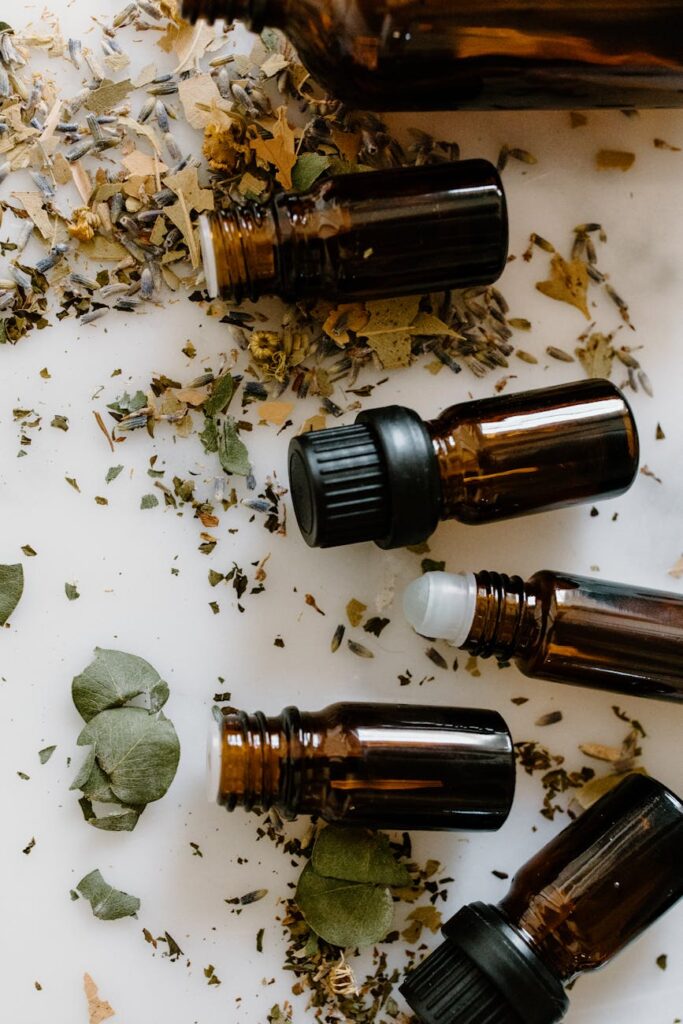
Proper storage of essential oils is crucial for maintaining their potency and efficacy. Essential oils should be stored in dark glass bottles, away from direct sunlight and heat sources. A cool, dark place is ideal for preventing degradation.
The shelf life of essential oils varies depending on the type. Generally, citrus oils may last 1-2 years, while woody and resinous oils can last up to 5 years or more. It is advisable to check for any changes in scent, color, or consistency, which may indicate that the oil has expired.
Frequently Asked Questions
Are aromatherapy blends effective for everyone?
While many individuals report positive experiences with aromatherapy for sleep, effectiveness can vary from person to person. Factors such as individual preferences, the specific oils used, and one’s unique physiology can influence outcomes.
How do I choose the right essential oil blend for sleep?
Selecting an essential oil blend often involves personal preference. Experimenting with different oils and blends can help individuals find what resonates best with their senses and needs. Popular choices for sleep include lavender, chamomile, and cedarwood.
Can essential oils interact with medications?
Yes, some essential oils can interact with medications. It is important to consult a healthcare provider if you are taking prescription medications or have specific health concerns.
How long does it take for aromatherapy to work?
The effects of aromatherapy can vary. Some individuals may notice an immediate calming effect, while others may require consistent use over time to experience the full benefits.
Are there any side effects of using essential oils for sleep?
While generally safe when used correctly, essential oils can cause skin irritation or allergic reactions in some individuals. It is advisable to conduct patch tests and use diluted oils for topical applications.
Conclusion
The journey of aromatherapy for sleep disorders blends is deeply rooted in human history, intertwining ancient traditions with modern wellness practices. As the understanding of the benefits and applications of essential oils continues to grow, so too does the appreciation for their role in promoting restful sleep. Through careful selection, application, and consideration of safety, individuals can harness the power of nature to enhance their sleep experience. As with any holistic approach, exploration and mindfulness are key to discovering the most effective methods for each individual.