
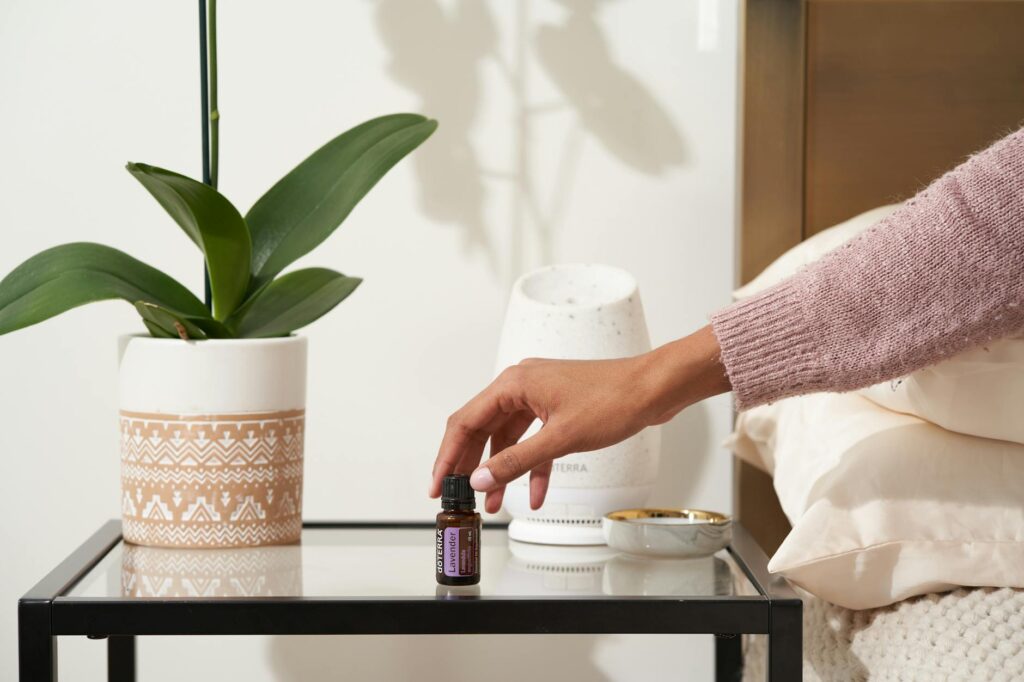
History and Origins of Aromatherapy for Sleep Hygiene Blends
Introduction
Aromatherapy, the practice of using essential oils extracted from plants for therapeutic benefits, has a rich history that spans thousands of years. Particularly in the context of sleep hygiene, aromatherapy blends have gained popularity as a natural approach to promote relaxation and improve sleep quality. This article delves into the historical origins of aromatherapy for sleep hygiene blends, exploring its evolution, benefits, applications, and important safety considerations.
What Is Aromatherapy for Sleep Hygiene Blends?
Aromatherapy for sleep hygiene blends involves the use of specific essential oils known for their calming and sedative properties. These oils are typically combined to create synergistic blends that can enhance relaxation, reduce anxiety, and promote restful sleep. Common essential oils used in these blends include lavender, chamomile, and bergamot, each selected for their unique properties and historical significance.
Key Benefits and Properties
The potential benefits of aromatherapy for sleep hygiene blends are diverse and multifaceted:
1. Relaxation: Many essential oils have calming properties that can help ease tension and promote a sense of tranquility.
2. Stress Reduction: Certain oils may aid in alleviating stress and anxiety, making it easier to unwind before sleep.
3. Improved Sleep Quality: Aromatherapy has been reported to enhance sleep quality, allowing individuals to experience deeper and more restorative sleep cycles.
4. Mood Enhancement: Some essential oils can uplift the mood, making the transition to sleep more pleasant.
5. Cognitive Clarity: A calm mind is essential for quality sleep; aromatherapy can help clear mental clutter that interferes with relaxation.
Common Uses
Aromatherapy for sleep hygiene blends can be utilized in various ways:
- Diffusion: Using an essential oil diffuser allows the aroma to fill the room, creating a calming environment conducive to sleep.
- Topical Application: Diluted essential oils can be applied to pulse points, such as wrists or temples, promoting relaxation through both scent and skin absorption.
- Bathing: Adding a few drops of essential oils to bath water can create a soothing ritual that prepares the body and mind for sleep.
- Pillow Sprays: Spraying a lavender-infused mist on bedding can create a relaxing atmosphere that enhances the sleep experience.
- Sleep Masks: Incorporating essential oils into sleep masks or pillows can provide a direct and consistent source of calming scents.
- Massage Oils: Creating a massage oil blend with soothing essential oils can not only relax the muscles but also introduce calming aromas.
- Inhalation: Simple inhalation of essential oils from the bottle or a cotton ball can be an effective way to experience their calming effects.
- Customized Blends: Individuals can create personalized blends by combining various essential oils that resonate with their specific sleep needs and preferences.
- Dilution: Essential oils are potent and should be diluted with a carrier oil before topical application to prevent skin irritation.
- Allergies: It is important to conduct a patch test when using a new essential oil to ensure there is no allergic reaction.
- Pregnancy and Nursing: Pregnant or nursing individuals should consult with a healthcare professional before using essential oils, as some may not be suitable for them.
- Children and Pets: Special care should be taken when using essential oils around children and pets, as their sensitivities may differ from those of adults.
- Quality of Oils: The purity and quality of essential oils can significantly affect their efficacy and safety. It is advisable to choose oils that are 100% pure and sourced from reputable suppliers.
- Cool, Dark Place: Essential oils should be stored in a cool, dark place away from sunlight and heat, as exposure can degrade their quality.
- Tightly Sealed Containers: Keeping essential oils in tightly sealed containers can prevent oxidation and the loss of aromatic compounds.
- Shelf Life: While many essential oils have a shelf life of 1-3 years, some oils, like citrus oils, may have a shorter shelf life due to their volatile nature.
Aromatherapy Applications
The application of aromatherapy for sleep hygiene blends can be tailored to individual preferences and needs:
Safety Considerations
While aromatherapy is generally regarded as safe for most individuals, certain precautions should be observed:
Storage and Shelf Life
Proper storage of essential oils is crucial to maintaining their potency and longevity:
Frequently Asked Questions
1. How do I choose the right essential oils for sleep?
Selecting essential oils for sleep depends on personal preferences and desired effects. Common choices include lavender for its calming properties, chamomile for relaxation, and vetiver for grounding. Experiment with different oils to see which blends resonate with you.
2. Can I use aromatherapy with other sleep aids?
Aromatherapy can complement other sleep aids, such as herbal teas or sleep supplements. However, it is advisable to consult with a healthcare professional for personalized guidance.
3. Are there any side effects associated with aromatherapy for sleep?
While aromatherapy is generally safe, potential side effects may include skin irritation or allergic reactions. Always perform a patch test and discontinue use if any adverse effects occur.
4. How long before bedtime should I use aromatherapy?
Using aromatherapy about 30-60 minutes before bedtime can be beneficial, allowing time for the calming scents to take effect and create a conducive sleep environment.
5. Can I combine different essential oils in a sleep blend?
Yes, combining different essential oils can create synergistic effects. Many people enjoy experimenting with their own blends to find what works best for them.
Conclusion
The history and origins of aromatherapy for sleep hygiene blends reveal a time-honored practice rooted in nature. By understanding the benefits, applications, and safety considerations of these blends, individuals can harness the power of essential oils to enhance their sleep quality. As we continue to navigate the complexities of modern living, returning to natural remedies like aromatherapy offers a holistic approach to fostering better sleep hygiene.