
History and Origins of Aromatherapy for Sleep Induction Blends
Introduction
Aromatherapy, the practice of using essential oils extracted from plants for therapeutic benefits, has a rich and diverse history that spans millennia. Among its various applications, the use of aromatherapy for sleep induction blends has garnered significant attention in both traditional and modern wellness practices. This article delves into the historical context, therapeutic properties, common uses, and important safety considerations regarding aromatherapy as a tool for promoting restful sleep.
What Is Aromatherapy for Sleep Induction Blends?
Aromatherapy for sleep induction blends involves the use of specific essential oils formulated to encourage relaxation and facilitate sleep. These blends may contain a variety of oils, each chosen for their unique aromatic properties and effects on the nervous system. Commonly used essential oils in sleep blends include lavender, chamomile, and bergamot, which are believed to have calming and sedative effects.
The practice of blending these oils is rooted in the belief that the olfactory system plays a crucial role in our emotional and psychological states. By inhaling specific scents, individuals can influence their mood, reduce anxiety levels, and promote a sense of tranquility conducive to sleep.
Key Benefits and Properties
The benefits of using aromatherapy for sleep induction are multifaceted. Different essential oils possess various properties that can contribute to enhancing sleep quality:
1. Calming Effects: Oils like lavender and chamomile are renowned for their calming properties, which can help reduce anxiety and stress—two major barriers to achieving restful sleep.
2. Sleep Quality Improvement: Research suggests that certain essential oils can improve the overall quality of sleep, leading to deeper and more restorative rest.
3. Mood Enhancement: Aromatherapy can positively affect mood and emotional well-being. For instance, citrus oils such as bergamot may uplift spirits while also promoting relaxation.
4. Reduction of Sleep Disorders: Some studies indicate that aromatherapy may aid individuals suffering from sleep disorders, such as insomnia or restless leg syndrome, although more research is needed in this area.
5. Holistic Approach: Aromatherapy offers a holistic approach to sleep problems, addressing not just the physical aspects but also the emotional and mental components of sleep health.
Common Uses
Aromatherapy for sleep induction blends can be utilized in various settings and methods. Here are some common applications:
- Diffusion: Essential oil diffusers disperse aromatic molecules into the air, creating a calming atmosphere in bedrooms or relaxation spaces.
- Topical Application: Blends can be diluted in carrier oils and applied to pulse points (e.g., wrists, neck) or massaged into areas of tension, promoting relaxation.
- Bathing: Adding essential oils to a warm bath can create a soothing environment, enhancing the relaxation experience before bedtime.
- Pillow Sprays: A spray containing sleep-inducing essential oils can be misted onto pillows and bedding, allowing the scent to envelop the sleeper.
- Inhalation: Inhaling essential oils directly from the bottle or a cotton ball can provide immediate calming effects.
- Dilution: Essential oils should be diluted in carrier oils (such as jojoba, coconut, or almond oil) before topical application to prevent skin irritation.
- Allergies: Individuals should perform a patch test before using new essential oils to check for allergic reactions.
- Pregnancy and Nursing: Certain essential oils may not be safe for pregnant or nursing women. It is advisable to consult a knowledgeable practitioner before using any essential oils during these times.
- Children: Some essential oils may not be suitable for use with children. Always consult guidelines specific to age groups and consider using milder oils.
- Medical Conditions: Individuals with medical conditions or those taking medication should consult healthcare providers before integrating essential oils into their routines.
- Storage Environment: Essential oils should be stored in a cool, dark place, away from direct sunlight and heat.
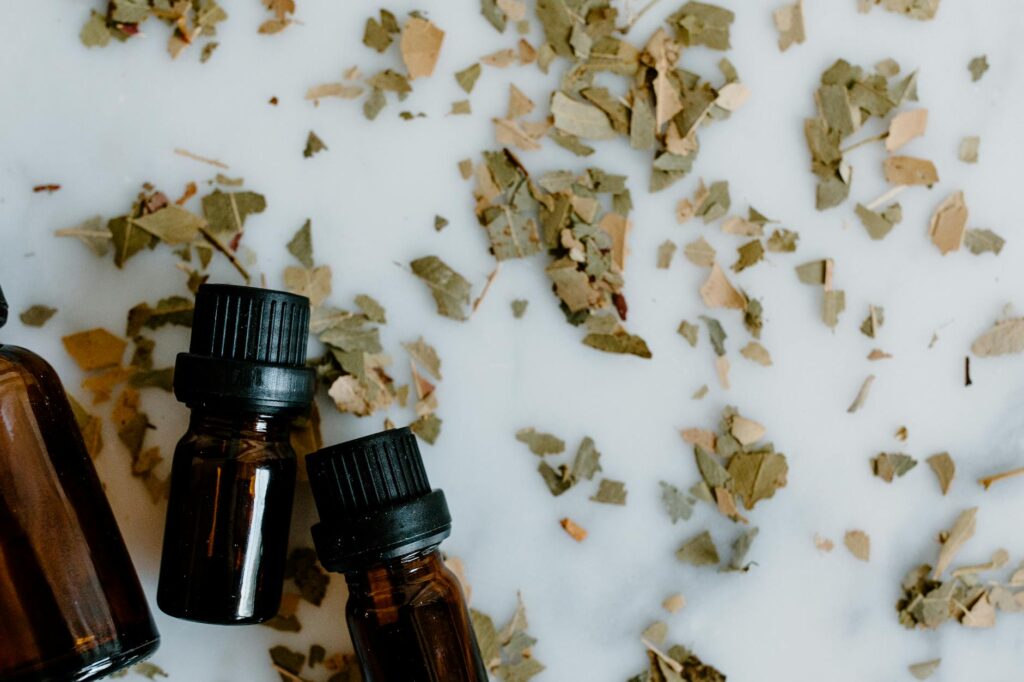
- Glass Containers: Use dark glass containers (amber or cobalt) to protect oils from light degradation.
- Shelf Life: The shelf life of essential oils varies by type. Generally, citrus oils have a shorter shelf life (1-2 years), while oils like sandalwood and patchouli can last for many years when stored properly.
- Expiration Signs: Essential oils may lose their aroma or develop an off-putting smell as they age. If this occurs, it is best to dispose of them.
Aromatherapy Applications
The application of aromatherapy for sleep induction can vary based on individual preferences and needs. Here are some popular sleep-inducing essential oils and their applications:
1. Lavender (Lavandula angustifolia): Widely recognized for its calming properties, lavender oil can be used in diffusers or as a pillow spray.
2. Chamomile (Matricaria chamomilla): Known for its soothing effects, chamomile can be enjoyed as a tea or used in topical applications to promote relaxation.
3. Bergamot (Citrus bergamia): This citrus oil is both uplifting and calming; it can be diffused or blended into massage oils.
4. Cedarwood (Cedrus atlantica): Cedarwood oil has been shown to promote relaxation and can be added to sleep blends for its earthy aroma.
5. Ylang-Ylang (Cananga odorata): This floral scent is often used for its ability to reduce anxiety; it works well in both diffusion and topical applications.
6. Sandalwood (Santalum album): Sandalwood is valued for its grounding effects and can enhance a sense of peace when used in aromatherapy.
Safety Considerations
While aromatherapy is generally considered safe for most individuals, it is essential to observe certain precautions:
Storage and Shelf Life
Proper storage is crucial for maintaining the potency and efficacy of essential oils. Here are some key considerations:
Frequently Asked Questions
1. Can aromatherapy replace sleep medications?
While aromatherapy can be a helpful complementary approach to promoting sleep, it is not a substitute for prescribed sleep medications. Individuals should consult healthcare professionals for personalized advice.
2. How do I create my own sleep induction blend?
To create your own blend, select 2-4 essential oils known for their calming properties. Combine them in a carrier oil or a diffuser, adjusting the ratios to suit your preferences.
3. How long does it take for aromatherapy to work?
The effects of aromatherapy can vary by individual. Some people may feel immediate relaxation, while others may require consistent use over time to notice improvements in sleep quality.
4. Can I use aromatherapy if I have allergies?
Those with allergies should exercise caution and consult healthcare professionals before using essential oils, particularly if they are sensitive to specific plants.
5. Are there any side effects associated with using essential oils?
While generally safe, some individuals may experience skin irritation, allergic reactions, or respiratory issues. Proper dilution and patch testing are essential for minimizing risks.
Conclusion
The historical and cultural significance of aromatherapy for sleep induction blends illustrates its enduring appeal as a natural remedy for enhancing sleep quality. By understanding the properties, benefits, and safe applications of essential oils, individuals can harness the power of aromatherapy to cultivate a more restful and restorative sleep experience. Whether through diffusion, topical application, or relaxing baths, the art of blending essential oils offers a holistic approach to promoting sleep health that resonates across cultures and generations.