
History and Origins of Aromatherapy for Sleep Quality Enhancement Blends
Introduction
Aromatherapy is a holistic healing practice that utilizes essential oils derived from plants to enhance physical and emotional well-being. Among its many applications, aromatherapy for sleep quality enhancement blends has garnered significant interest as individuals seek natural remedies for improving sleep patterns and combating insomnia. This article delves into the historical roots of aromatherapy, its evolution, and the specific approaches used to create blends that promote restful sleep.
What Is Aromatherapy for Sleep Quality Enhancement Blends?
Aromatherapy for sleep quality enhancement blends involves the use of specific essential oils known for their calming and soothing properties. These blends are designed to promote relaxation, reduce anxiety, and facilitate the onset of sleep. Commonly used essential oils include lavender, chamomile, bergamot, and cedarwood. The practice can involve inhalation, topical application, or diffusion, allowing the aromatic compounds to interact with the body’s olfactory system and influence mood and behavior.
Key Benefits and Properties
1. Relaxation and Stress Reduction
Essential oils such as lavender and chamomile have been shown to induce relaxation. Their calming effects can help alleviate stress and anxiety, which are often barriers to achieving quality sleep.
2. Mood Enhancement
Certain oils can positively influence mood. For example, bergamot is known to uplift spirits while simultaneously promoting tranquility, making it a popular choice in sleep blends.
3. Sleep Induction
Specific compounds found in essential oils may aid in the natural induction of sleep. Studies suggest that inhaling certain aromas can trigger the release of neurotransmitters that promote drowsiness.
4. Improved Sleep Quality
Not only do sleep blends help individuals fall asleep faster, but they may also enhance the quality of sleep. Oils like sandalwood are believed to facilitate deeper sleep cycles, contributing to restorative rest.
Common Uses
Aromatherapy for sleep quality enhancement blends can be utilized in various ways to suit individual preferences. Here are some common applications:
1. Diffusion
Using an essential oil diffuser is one of the most popular methods. By dispersing essential oils into the air, individuals can create a calming atmosphere conducive to sleep.
2. Topical Application
Blending essential oils with carrier oils, such as sweet almond or jojoba, allows for topical application. Applying these mixtures to pulse points, such as wrists or behind the ears, can enhance their calming effects.
3. Bath Soaks
Incorporating essential oils into a warm bath can provide a relaxing pre-sleep ritual. Oils such as lavender or ylang-ylang can be added to bath salts for a soothing experience.
4. Sleep Pillows and Sachets
Creating sachets filled with dried herbs and essential oils can be a delightful way to promote sleep. Placing these sachets under pillows or in bedding can diffuse calming scents throughout the night.
Aromatherapy Applications
1. Essential Oil Blends
Creating effective sleep-enhancing blends often involves combining multiple essential oils that complement each other. Here are a few popular combinations:
- Lavender and Bergamot: This blend combines the calming effects of lavender with the uplifting properties of bergamot, promoting both relaxation and mood enhancement.
- Chamomile and Cedarwood: Chamomile’s soothing nature pairs well with cedarwood’s grounding aroma, making it ideal for individuals seeking a tranquil sleeping environment.
- Direct Inhalation: Placing a few drops of essential oil onto a cotton ball or tissue and inhaling the scent directly.
- Steam Inhalation: Adding essential oils to a bowl of hot water, covering the head with a towel, and inhaling the steam can enhance respiratory relaxation.
2. Inhalation Techniques
Inhalation can be achieved through various methods, including:
Safety Considerations
While aromatherapy for sleep quality enhancement is generally regarded as safe, certain precautions should be taken:
1. Dilution
Essential oils are potent and should be diluted with a carrier oil before topical application to minimize the risk of skin irritation.
2. Quality of Essential Oils
Using high-quality, pure essential oils is crucial. Adulterated or synthetic oils may not provide the desired effects and can pose safety risks.
3. Individual Sensitivities
Individuals should be aware of their sensitivities to specific oils. Conducting a patch test prior to full application can help identify potential allergic reactions.
4. Pregnancy and Medical Conditions
Pregnant individuals and those with certain medical conditions should consult healthcare professionals before using essential oils. While many oils are safe, some can pose risks during pregnancy or interact with medications.
Storage and Shelf Life
The longevity of essential oils depends on various factors, including their chemical composition and storage conditions:
1. Storage
Essential oils should be stored in a cool, dark place in tightly sealed, dark glass bottles to protect them from light and heat, which can degrade their quality.
2. Shelf Life
Most essential oils have a shelf life of one to five years, although some oils, like citrus oils, may have shorter shelf lives due to their volatile compounds. Regularly checking for changes in scent or consistency can help determine if an oil is still suitable for use.
Frequently Asked Questions
1. Can I mix different essential oils for sleep blends?
Yes, blending different essential oils can create synergistic effects. However, it is essential to research the properties of each oil to ensure compatibility.
2. How long before bedtime should I use aromatherapy for it to be effective?
Using aromatherapy about 30 minutes to an hour before bedtime can allow the calming effects to set in, creating an optimal environment for sleep.
3. Are there any essential oils that should be avoided for sleep?
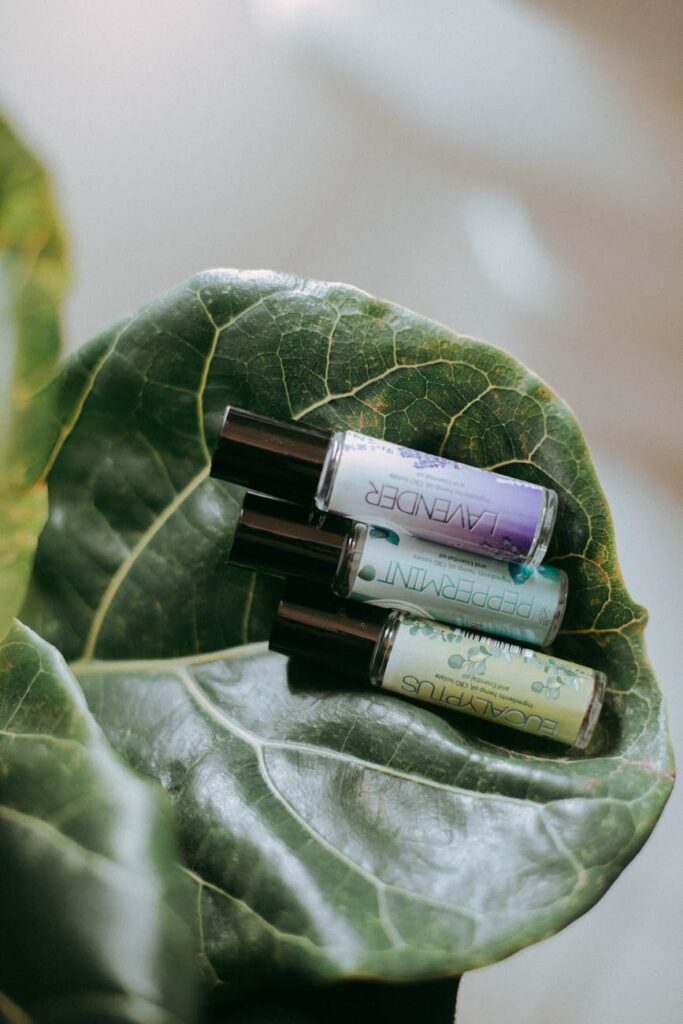
While most essential oils are safe, some stimulating oils, like peppermint or eucalyptus, may not be conducive to sleep and should be avoided in sleep blends.
4. Can I use aromatherapy if I have allergies?
Individuals with allergies should exercise caution and consult with a healthcare professional before using essential oils, especially those with known sensitivities.
Conclusion
The journey of aromatherapy, particularly in enhancing sleep quality, spans centuries and cultures. With its historical roots in ancient practices and its modern applications, aromatherapy continues to provide a natural approach to improving sleep. By understanding the properties, benefits, and safe usage of essential oils, individuals can create personalized blends that cater to their unique needs, promoting relaxation and restful sleep. As interest in holistic health grows, the integration of these ancient practices into contemporary wellness routines remains a vital resource for those seeking natural solutions for better sleep.