
History and Origins of Aromatherapy for Sleep Quality Improvement Blends
Introduction
Aromatherapy, the practice of using essential oils extracted from plants for therapeutic purposes, has a rich and varied history that spans thousands of years. Its applications have evolved over time, with a significant focus on improving sleep quality. In this article, we will explore the historical roots of aromatherapy, the specific blends designed for sleep enhancement, and the benefits they provide.
What Is Aromatherapy for Sleep Quality Improvement Blends?
Aromatherapy for sleep involves the use of essential oils that are believed to promote relaxation and enhance sleep quality. These oils can be derived from various parts of plants, including leaves, flowers, bark, and roots. When inhaled or absorbed through the skin, the compounds in these oils interact with the body’s systems, potentially influencing mood, stress levels, and overall well-being.
Sleep quality improvement blends typically contain a combination of essential oils known for their calming and soothing properties. Commonly used oils in these blends include lavender, chamomile, bergamot, and sandalwood, among others. Each oil brings unique characteristics that can complement one another, enhancing the overall effectiveness of the blend.
Key Benefits and Properties
The benefits of using aromatherapy for sleep are largely attributed to the properties of the essential oils utilized in the blends. Here are some of the key benefits and properties associated with popular essential oils used for sleep:
1. Lavender: Widely regarded as one of the most effective essential oils for sleep, lavender is known for its calming effects. Research indicates that it can reduce anxiety and increase slow-wave sleep, which is crucial for restorative rest.
2. Chamomile: Often consumed as a tea, chamomile essential oil also promotes relaxation. It contains compounds that have sedative effects, making it a popular choice for those struggling with insomnia.
3. Bergamot: This citrus oil not only uplifts mood but also has calming effects. It can help reduce feelings of stress and anxiety, contributing to a more peaceful state conducive to sleep.
4. Sandalwood: Known for its rich, woody aroma, sandalwood is often used in meditation practices. It is believed to induce feelings of tranquility and may help reduce insomnia.
5. Cedarwood: This oil has a warm, woody scent that can help calm the mind. It is often used to ease anxiety and promote relaxation, making it a valuable addition to sleep blends.
Common Uses
Aromatherapy for sleep quality improvement can be applied in various ways, allowing individuals to choose a method that best fits their lifestyle. Common uses include:
- Diffusion: Using an essential oil diffuser to disperse the aroma throughout a room can create a calming atmosphere. This method is effective for those who prefer a gentle introduction of scents while they sleep.
- Topical Application: Essential oils can be diluted with carrier oils and applied to pulse points, such as wrists or behind the ears. This method allows for direct skin absorption and can enhance the effectiveness of the oils.
- Bath Soaks: Adding essential oils to bathwater can create a soothing pre-sleep ritual. The warm water helps to open pores, allowing the oils to be absorbed more effectively.
- Inhalation: Simply inhaling the scent of essential oils directly from the bottle or a tissue can provide immediate calming effects. This method is quick and can be used on-the-go.
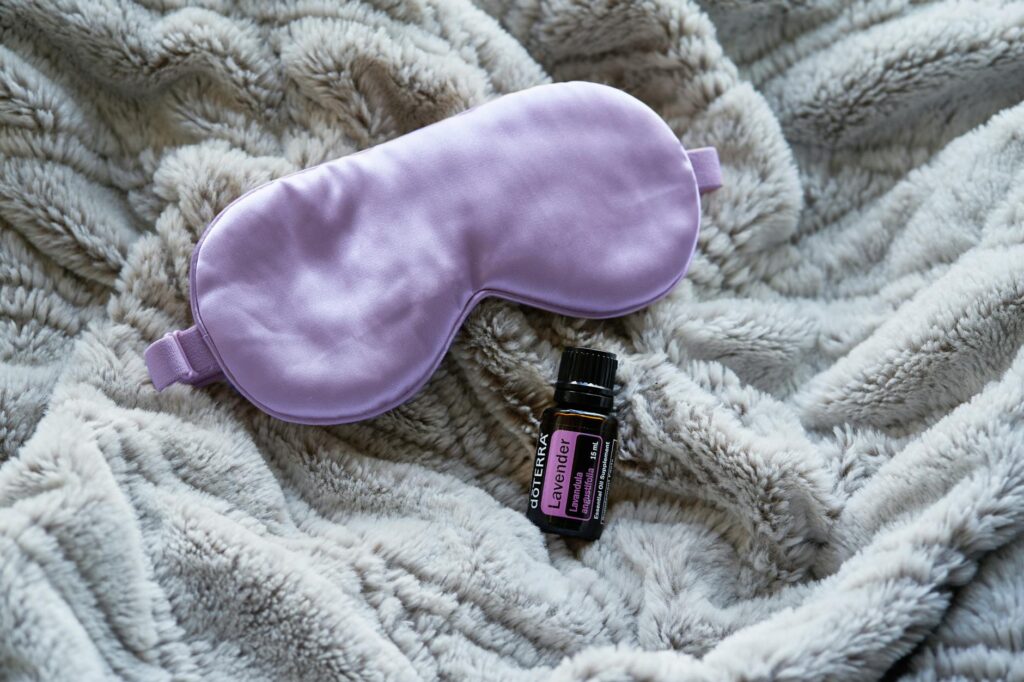
- Sleep Pillows: Some people choose to add a few drops of essential oil to their pillowcases or sleep masks, creating a personalized sleep environment.
- Lavender and Bergamot: This blend harnesses the calming effects of lavender with the uplifting properties of bergamot.
- Chamomile and Cedarwood: Pairing these two offers a comforting aroma that promotes relaxation.
- Sandalwood and Lavender: Combining these oils can create a serene atmosphere perfect for winding down.
- Dilution: Essential oils should always be diluted with a carrier oil before applying to the skin to prevent irritation.
- Sensitivity: Some individuals may have sensitivities or allergies to certain essential oils. It is advisable to conduct a patch test before widespread use.
- Pregnancy and Health Conditions: Pregnant individuals and those with specific health conditions should consult a healthcare professional before using essential oils.
- Children and Pets: Special care should be taken when using essential oils around children and pets, as some oils can be harmful to them.
- Location: Store essential oils in a cool, dark place away from direct sunlight and heat sources to prevent degradation.
- Containers: Use dark glass bottles to protect oils from light exposure. Ensure that lids are tightly sealed to prevent evaporation and oxidation.
- Shelf Life: The shelf life of essential oils varies. Most oils can last from 1 to 3 years, while some oils, like citrus oils, may have shorter shelf lives. Regularly check for changes in smell or consistency to determine their freshness.
Aromatherapy Applications
The application of aromatherapy for sleep quality improvement can be tailored to individual preferences. Here are some popular techniques:
1. Essential Oil Blends for Sleep
Creating customized blends can enhance the sleep experience. Common combinations include:
2. Massage Oils
Using a blend of essential oils in a carrier oil for massage can help release tension in the body. Massaging the shoulders, neck, and feet with sleep-promoting oils can enhance relaxation before bedtime.
3. Sleep Sprays
Creating a sleep spray by diluting essential oils in distilled water can be a convenient way to enjoy their benefits. Spraying the mixture on pillows or bedding can create a calming environment conducive to sleep.
4. Aromatherapy Candles
Candles infused with essential oils can provide both aromatic and visual comfort. Choosing candles made from natural ingredients and essential oils ensures that the benefits are maximized without harmful additives.
Safety Considerations
While aromatherapy is generally considered safe when used appropriately, there are important safety considerations to keep in mind:
Storage and Shelf Life
Proper storage of essential oils is crucial to maintain their efficacy. Here are guidelines for optimal storage:
Frequently Asked Questions
1. Can aromatherapy replace sleep medications?
Aromatherapy should not be considered a substitute for medical treatments. While it may provide support for relaxation and sleep, individuals experiencing chronic sleep issues should consult a healthcare professional.
2. How long does it take for aromatherapy to work?
The effects of aromatherapy can vary from person to person. Many individuals report feeling the calming effects of essential oils almost immediately, while others may require consistent use over time to experience significant benefits.
3. Are there any essential oils to avoid for sleep?
While many essential oils promote relaxation, some stimulating oils, such as peppermint or eucalyptus, may not be suitable for sleep. It is important to choose oils specifically known for their calming properties.
4. Can I use essential oils in a humidifier?
Using essential oils in a humidifier is generally not recommended unless the device is specifically designed for that purpose. Many humidifiers can degrade the oils or become damaged, so it’s advisable to use a diffuser designed for essential oils.
5. Can I use aromatherapy with my children?
Yes, but it is essential to dilute essential oils properly and choose child-safe oils. Always consult with a healthcare professional if unsure about specific oils suitable for children.
Conclusion
Aromatherapy has a long and storied history, with its applications for sleep quality improvement gaining popularity in contemporary wellness practices. By understanding the properties and benefits of various essential oils, individuals can create personalized blends that promote relaxation and better sleep. As with any holistic practice, it is important to approach aromatherapy with care and mindfulness, ensuring a safe and enriching experience.