
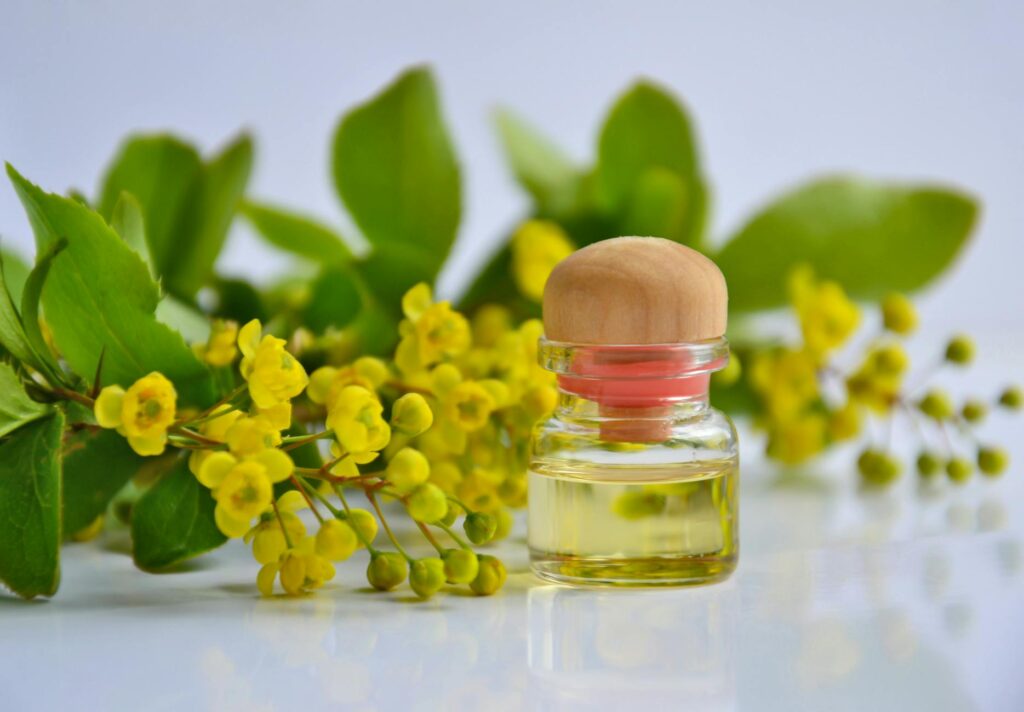
History and Origins of Ashwagandha Extract
Introduction
Ashwagandha (Withania somnifera), also known as Indian ginseng or winter cherry, is a revered herb in traditional Ayurvedic medicine. Its use dates back thousands of years, primarily in India and other parts of Asia. Ashwagandha is classified as an adaptogen, a substance believed to enhance the body’s resilience to stress and promote overall well-being. This article explores the history and origins of ashwagandha extract, shedding light on its traditional applications and modern significance.
What Is Ashwagandha Extract?
Ashwagandha extract is derived from the roots and leaves of the ashwagandha plant, a small shrub native to the dry regions of India, the Middle East, and parts of Africa. The name “ashwagandha” translates to “smell of the horse” in Sanskrit, a reference to the herb’s distinct aroma and its reputed ability to impart strength and vigor akin to that of a horse.
The extraction process typically involves drying the roots and leaves and then using various methods, such as solvent extraction or cold pressing, to obtain a concentrated form of the plant’s beneficial compounds. The primary bioactive constituents in ashwagandha include alkaloids, steroidal lactones (withanolides), and saponins, which are believed to contribute to its adaptogenic properties.
Key Benefits and Properties
Historically, ashwagandha has been used for a variety of purposes in traditional medicine. Some of the key benefits and properties associated with ashwagandha extract include:
1. Adaptogenic Properties: Ashwagandha is known for its ability to help the body adapt to stressors, whether they be physical, emotional, or environmental. This characteristic has made it a cornerstone of Ayurvedic practices aimed at promoting overall health and vitality.
2. Anti-inflammatory Effects: Research suggests that ashwagandha may possess anti-inflammatory properties, which can support overall health by reducing inflammation in the body.
3. Antioxidant Activity: The extract is rich in antioxidants, which help combat oxidative stress and protect cells from damage caused by free radicals.
4. Cognitive Support: Some studies indicate that ashwagandha may positively influence cognitive function, enhancing memory and overall mental clarity.
5. Hormonal Balance: Ashwagandha has been traditionally used to support hormonal balance, particularly in relation to adrenal function and reproductive health.
6. Immune System Support: The herb is thought to bolster the immune system, contributing to enhanced overall health and resilience against illness.
Common Uses
In traditional Ayurvedic practices, ashwagandha has been utilized for various purposes, including:
- Stress Relief: It is commonly used to alleviate stress and anxiety, promoting relaxation and mental tranquility.
- Energy and Vitality: Ashwagandha is often prescribed to combat fatigue and enhance physical stamina.
- Sleep Aid: The herb is believed to promote restful sleep, making it a popular choice for those experiencing insomnia or disrupted sleep patterns.
- Support for Reproductive Health: It has been traditionally used to enhance fertility and support reproductive health in both men and women.
- Blending with Essential Oils: Ashwagandha extract can be combined with essential oils such as lavender, bergamot, or frankincense to create calming and grounding blends, enhancing the overall therapeutic experience.
- Diffusion: Adding ashwagandha extract to a diffuser may help create a serene environment conducive to relaxation and stress relief.
- Topical Applications: When diluted in a carrier oil, ashwagandha extract can be used in massage therapy, providing a soothing experience that can help relieve muscle tension.
- Pregnancy and Lactation: Pregnant or breastfeeding individuals should consult a healthcare professional before using ashwagandha, as its effects during these periods are not well-studied.
- Medication Interactions: Ashwagandha may interact with certain medications, including sedatives, thyroid medications, and immunosuppressants. It is essential to consult a healthcare professional if you are taking any medications.
- Allergic Reactions: Some individuals may experience allergic reactions to ashwagandha. It is advisable to conduct a patch test or consult a healthcare professional before using the extract topically.
- Dosage: Adhering to recommended dosages is crucial to avoid potential side effects. Overconsumption can lead to gastrointestinal upset, dizziness, or other adverse effects.
- Storage Conditions: Store ashwagandha extract in a cool, dry place, away from direct sunlight and moisture. Airtight containers can help prevent degradation.
- Shelf Life: The shelf life of ashwagandha extract can vary depending on the form and processing method. Generally, it can last up to two years if stored properly. Always check for any signs of spoilage or changes in aroma before use.
In modern wellness practices, ashwagandha extract is available in various forms, including capsules, powders, tinctures, and teas, making it accessible for a wide range of applications.
Aromatherapy Applications
While ashwagandha is primarily known for its medicinal properties, it also finds a place in the realm of aromatherapy. Its earthy and herbaceous aroma can be incorporated into various aromatic blends and formulations. Some potential applications in aromatherapy include:
Safety Considerations
While ashwagandha is generally regarded as safe for most individuals when used appropriately, there are some important safety considerations to keep in mind:
Storage and Shelf Life
To maintain the potency and efficacy of ashwagandha extract, proper storage is essential. Here are some guidelines:
Frequently Asked Questions
1. What part of the ashwagandha plant is used for extraction?
The roots and leaves of the ashwagandha plant are primarily used for extraction, with the roots being the most commonly utilized part.
2. Can ashwagandha extract be used daily?
Many individuals incorporate ashwagandha extract into their daily routines, but it is advisable to start with a lower dose and consult a healthcare professional for personalized guidance.
3. How does ashwagandha compare to other adaptogens?
Ashwagandha is one of several adaptogens, each with unique properties. While ashwagandha is renowned for its stress-relieving qualities, others like rhodiola may focus on enhancing energy and stamina. The choice of adaptogen often depends on individual needs and health goals.
4. Is ashwagandha extract safe for children?
The use of ashwagandha extract in children should be approached with caution, and it is best to consult a healthcare professional before administering it to minors.
5. Where can I purchase high-quality ashwagandha extract?
High-quality ashwagandha extract can be found in health food stores, herbal shops, and online retailers. It is important to choose products from reputable brands that provide third-party testing for quality assurance.
Conclusion
The rich history and origins of ashwagandha extract illustrate its significance in traditional medicine and its continued relevance in modern wellness practices. As an adaptogen, ashwagandha offers a range of potential benefits that enhance physical and mental well-being. While incorporating ashwagandha into one’s routine can be beneficial, it is essential to approach its use with caution and respect for individual health needs. By understanding its history, properties, and applications, individuals can make informed choices about integrating ashwagandha into their holistic wellness journeys.