
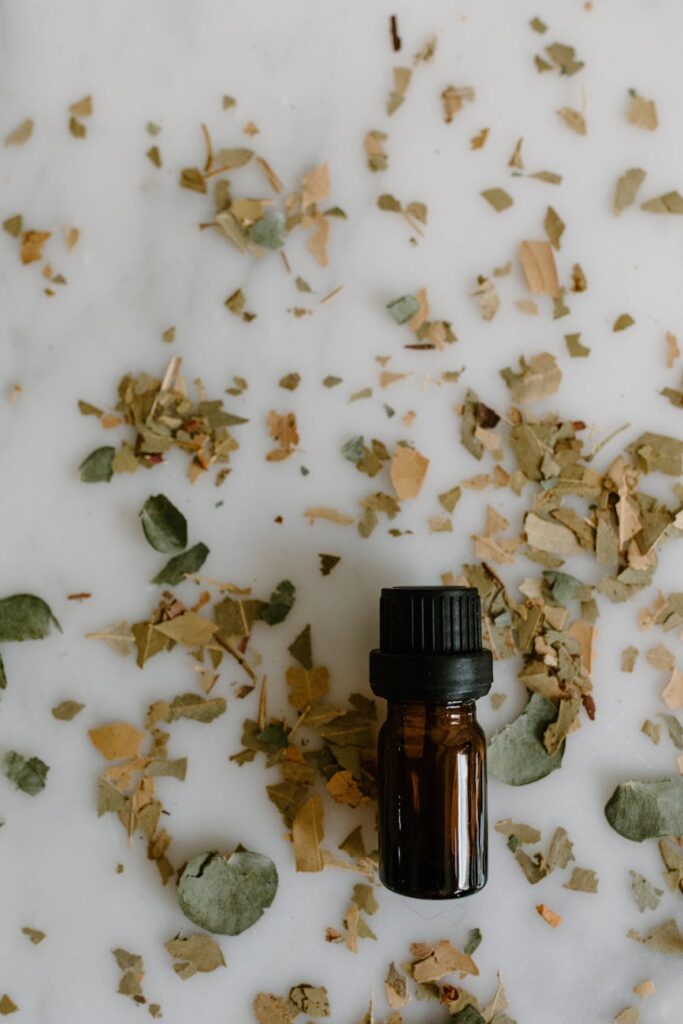
History and Origins of Ashwagandha Root Extract
Introduction
Ashwagandha, scientifically known as Withania somnifera, is an ancient medicinal herb that has been a cornerstone of Ayurvedic medicine for over 3,000 years. Often referred to as “Indian ginseng” or “winter cherry,” this adaptogenic herb has garnered attention not only for its potential health benefits but also for its rich historical significance. The roots of ashwagandha are particularly valued, and the extract derived from them is utilized across various domains, including herbal medicine, dietary supplements, and aromatherapy.
This article explores the rich history and origins of ashwagandha root extract, its key benefits and properties, common uses, applications in aromatherapy, safety considerations, and storage tips.
What Is Ashwagandha Root Extract?
Ashwagandha root extract is derived from the roots of the ashwagandha plant, a small shrub native to India, the Middle East, and parts of Africa. The name “ashwagandha” is derived from the Sanskrit words “ashva,” meaning horse, and “gandha,” meaning smell, which refers to the root’s strong aroma and its traditional association with strength and vitality.
The extract is obtained through various methods, including water extraction, alcohol extraction, or cold pressing. The resulting product contains a complex profile of bioactive compounds, including alkaloids, steroidal lactones, and saponins, which contribute to its therapeutic properties.
Key Benefits and Properties
Ashwagandha root extract is celebrated for its adaptogenic properties, which help the body adapt to stress. Some of the key benefits and properties include:
- Stress Reduction: Ashwagandha is believed to lower cortisol levels, a hormone associated with stress, thereby promoting a sense of calm and relaxation.
- Enhanced Cognitive Function: Some studies suggest that ashwagandha may improve memory and cognitive function, making it a popular choice for those looking to enhance mental clarity.
- Immune Support: The extract is thought to bolster the immune system and enhance the body’s resilience to infections.
- Anti-Inflammatory Effects: Ashwagandha is believed to have anti-inflammatory properties, which may help reduce inflammation in the body.
- Hormonal Balance: The herb is often used to support hormonal balance, particularly in women, and may help alleviate symptoms associated with menstrual cycles and menopause.
- Energy and Vitality: Traditionally, ashwagandha has been used to improve overall stamina, energy levels, and physical performance.
- Supplementation: Many individuals take ashwagandha in capsule or powder form as a dietary supplement to promote overall well-being.
- Herbal Teas: Ground ashwagandha root can be steeped in hot water to create an herbal tea, often combined with other calming herbs.
- Culinary Applications: In some cultures, ashwagandha is added to smoothies and food preparations for its nutritional benefits.
- Cosmetic Products: The extract is increasingly found in skincare products due to its antioxidant properties and potential to soothe the skin.
- Diffusion: Ashwagandha root extract can be blended with essential oils such as lavender or chamomile in a diffuser to create a calming atmosphere.
- Massage Oils: The extract can be incorporated into carrier oils for use in massage, promoting relaxation and stress relief.
- Bath Products: Adding ashwagandha extract to bath salts or oils can enhance the soothing experience of a warm bath.
- Pregnancy and Breastfeeding: Pregnant and breastfeeding women are often advised to avoid ashwagandha due to potential hormonal effects.
- Medical Conditions: Individuals with certain medical conditions, particularly those related to thyroid disorders, autoimmune diseases, or diabetes, should consult with a healthcare professional before using ashwagandha.
- Medication Interactions: Ashwagandha may interact with medications, especially those affecting the central nervous system, such as sedatives or antidepressants. Therefore, it is advisable to discuss its use with a healthcare provider if you are on medication.
- Dosage: As with any supplement, adhering to recommended dosages is crucial to avoid potential side effects.
- Cool, Dry Place: Store the extract in a cool, dry place away from direct sunlight and moisture. This helps prevent degradation.
- Sealed Containers: Keeping the extract in airtight containers can protect it from exposure to air and humidity, which can affect its quality.
- Check Expiration: Always check the expiration date on the packaging and use the extract before this date for optimal results.
While these properties are widely discussed in traditional and modern contexts, it is important to approach them with an understanding of the need for further scientific research to validate these claims comprehensively.
Common Uses
Ashwagandha root extract is versatile and can be found in various forms, including powders, capsules, teas, and tinctures. Here are some common uses:
Aromatherapy Applications
In recent years, ashwagandha has made its way into the realm of aromatherapy, where its calming properties are leveraged to promote relaxation and emotional balance. While ashwagandha is not typically distilled into an essential oil, its extract can be infused into other mediums for aromatic use.
These applications highlight the versatility of ashwagandha in promoting emotional well-being through olfactory stimulation.
Safety Considerations
While ashwagandha root extract is generally considered safe for most people, certain considerations should be noted:
Storage and Shelf Life
Proper storage of ashwagandha root extract is essential to maintain its potency and efficacy:
When stored correctly, ashwagandha root extract can maintain its potency for several years.
Frequently Asked Questions
1. What is the best way to take ashwagandha root extract?
The best way to take ashwagandha varies by individual preference. It can be consumed in capsule form, as a powder mixed into beverages, or as a tea. Always follow the recommended dosage on the product packaging.
2. Can I use ashwagandha root extract daily?
Many individuals incorporate ashwagandha into their daily routines, but it is advisable to consult a healthcare professional, especially if you are pregnant, breastfeeding, or on medication.
3. Are there any side effects associated with ashwagandha?
While ashwagandha is generally well-tolerated, some individuals may experience mild side effects such as digestive upset, headaches, or drowsiness. If you experience any adverse effects, discontinue use and consult a healthcare provider.
4. Is ashwagandha suitable for everyone?
While ashwagandha is safe for many people, certain groups, including pregnant women and those with specific health conditions, should exercise caution. Consultation with a healthcare professional is recommended for personalized guidance.
5. How does ashwagandha compare to other adaptogens?
Ashwagandha is one of several adaptogenic herbs, each with unique properties. Compared to others like rhodiola and holy basil, ashwagandha is particularly noted for its calming effects and ability to support stress reduction.
Conclusion
The history of ashwagandha root extract is deeply intertwined with traditional medicine and cultural practices, reflecting its importance in promoting health and well-being. As a versatile herb with a wide range of applications, ashwagandha continues to be explored in both traditional and modern contexts. Whether used for its calming effects in aromatherapy or as a supplement in daily health regimens, ashwagandha root extract remains a valuable addition to the world of natural remedies. As always, understanding its uses, benefits, and safety considerations is essential for anyone looking to incorporate this ancient herb into their wellness practices.