
History and Origins of Avocado Oil
Introduction
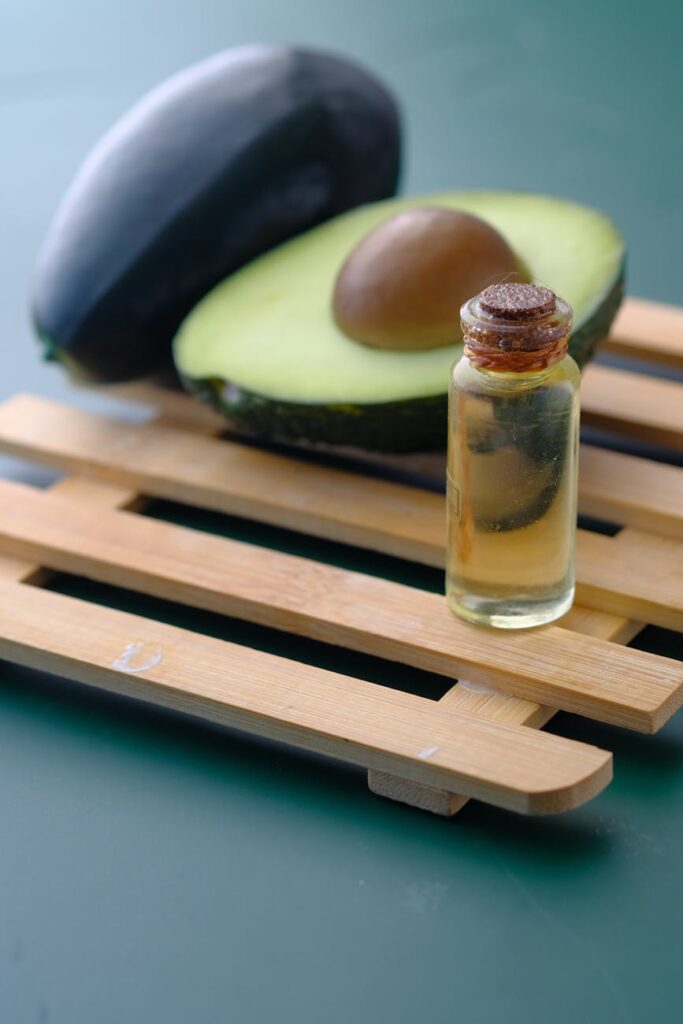
Avocado oil, extracted from the fruit of the Persea americana tree, is a versatile oil celebrated for its culinary applications and cosmetic benefits. Native to Central and South America, the history of avocado oil is as rich as the oil itself. This article will explore the origins of avocado oil, its benefits, common uses, applications in aromatherapy, safety considerations, and storage guidelines.
What Is Avocado Oil?
Avocado oil is a fruit oil obtained from the pulp of avocados, known for its high monounsaturated fat content and unique flavor profile. The extraction of the oil can be achieved through various methods, including cold-pressing and refining. Cold-pressed avocado oil retains more nutrients and is typically of higher quality, while refined oil undergoes processes that remove impurities but may also diminish some beneficial properties.
The oil is characterized by its creamy texture and greenish hue, attributed to the presence of chlorophyll and carotenoids. It boasts a high smoke point, making it suitable for various culinary techniques, including frying, sautéing, and baking.
Key Benefits and Properties
Avocado oil is renowned for its numerous health benefits and nutritional value. Some of the key benefits include:
1. Rich in Nutrients: Avocado oil is abundant in vitamins, particularly Vitamin E, which is known for its antioxidant properties. It also contains Vitamin K, which plays a role in blood clotting and bone health.
2. Heart Health: The high levels of monounsaturated fats in avocado oil can contribute to heart health by improving cholesterol levels and reducing the risk of heart disease.
3. Anti-Inflammatory Properties: Compounds in avocado oil, such as oleic acid, have anti-inflammatory properties, which may help in reducing inflammation in the body.
4. Skin Benefits: Avocado oil is often used in skincare formulations due to its moisturizing properties. It can penetrate deep into the skin, providing hydration and supporting skin health.
5. Nutrient Absorption: The oil enhances the absorption of fat-soluble vitamins and nutrients from other foods, making it a valuable addition to salads and other dishes.
Common Uses
Avocado oil has a wide range of applications, both in the kitchen and beyond:
Culinary Uses
- Cooking: Its high smoke point makes it ideal for frying and sautéing. It can also be used in roasting vegetables or as a base for salad dressings.
- Flavoring: The oil has a subtle, buttery flavor that complements various dishes, from salads to marinades.
- Skincare: Due to its emollient properties, avocado oil is often found in lotions, creams, and serums. It is suitable for dry and sensitive skin types.
- Haircare: Avocado oil can be used as a hair treatment to enhance shine and moisture, often included in shampoos and conditioners.
- Lavender: Known for its calming properties, lavender essential oil can be blended with avocado oil for a relaxing massage oil.
- Tea Tree: This essential oil is often used for its antiseptic properties. A blend with avocado oil can be beneficial for skin applications.
- Peppermint: When combined, peppermint essential oil and avocado oil can create an invigorating blend suitable for use in diffusers or topical applications.
Cosmetic Uses
Nutritional Supplements
Avocado oil is available in capsule form as a dietary supplement. It is sometimes used in smoothies or as an ingredient in health food products.
Aromatherapy Applications
While avocado oil is not a primary essential oil, it serves as an excellent carrier oil in aromatherapy. Carrier oils dilute essential oils, making them safe for topical application. Avocado oil’s moisturizing properties and ability to penetrate the skin make it an ideal choice for blending with essential oils.
Blending with Essential Oils
In aromatherapy, avocado oil can be combined with various essential oils to create soothing blends. Popular essential oils that complement avocado oil include:
Safety Considerations
While avocado oil is generally considered safe for most individuals, there are a few considerations to keep in mind:
1. Allergies: Some individuals may have allergies to avocados or latex, which could extend to avocado oil. It is advisable to perform a patch test before large-scale use, especially for topical applications.
2. Quality of Oil: The quality of avocado oil can vary significantly. It is important to choose high-quality, cold-pressed oils to reap the maximum benefits.
3. Consultation: For those with specific health conditions or concerns, consulting with a qualified healthcare provider is recommended before incorporating avocado oil into a diet or skincare routine.
Storage and Shelf Life
Proper storage is essential to maintain the quality and prolong the shelf life of avocado oil:
1. Storage Conditions: Avocado oil should be stored in a cool, dark place, away from direct sunlight and heat. It is best kept in dark glass bottles to minimize oxidation.
2. Shelf Life: Unopened avocado oil can last for up to 1-2 years, while opened bottles should ideally be used within 6-12 months. Signs of spoilage may include rancid odors, changes in color, or cloudiness.
Frequently Asked Questions
Is avocado oil suitable for cooking at high temperatures?
Yes, avocado oil has a high smoke point, typically around 500°F (260°C), making it suitable for high-temperature cooking methods such as frying and sautéing.
Can avocado oil be used for all skin types?
Avocado oil is generally safe for most skin types, including dry and sensitive skin. However, individuals with nut allergies should use caution and conduct a patch test before application.
What is the best way to use avocado oil as a carrier oil in aromatherapy?
To use avocado oil as a carrier oil, mix it with a few drops of your chosen essential oil. For topical applications, a dilution of 2-3% essential oil in the carrier oil is typically recommended.
How can I tell if my avocado oil has gone bad?
Signs of spoiled avocado oil include an off or rancid smell, changes in color, or cloudiness. If you notice any of these signs, it is best to discard the oil.
Is avocado oil beneficial for hair?
Yes, avocado oil can help to moisturize and strengthen hair. It can be applied directly to the hair or mixed with other hair care products for added benefits.
Conclusion
Avocado oil, with its rich history and diverse applications, offers a wealth of benefits for culinary, cosmetic, and aromatherapy uses. Understanding its origins, properties, and uses can help individuals incorporate this remarkable oil into their daily lives, whether for cooking, skincare, or relaxation. By selecting high-quality avocado oil and adhering to safety guidelines, one can fully appreciate the myriad advantages this oil has to offer.