
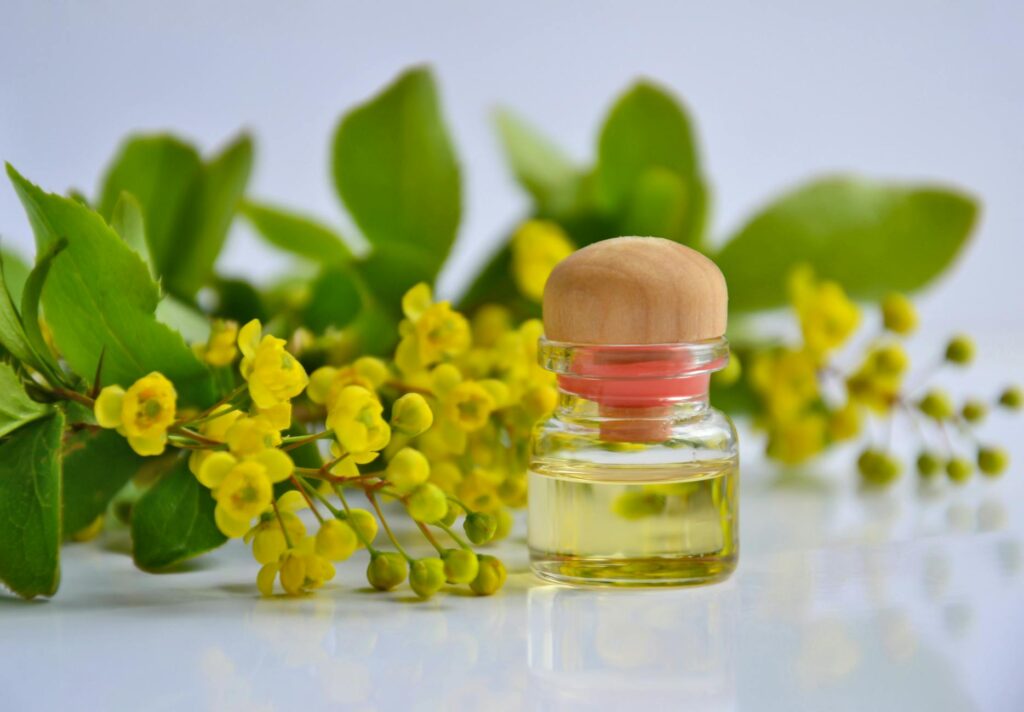
History and Origins of Balsam Extracts
Introduction
Balsam extracts have captivated humanity for millennia with their aromatic allure and therapeutic properties. These resinous substances have been integral to various cultures, serving purposes that range from spiritual rituals to practical applications in health and wellness. This article delves into the rich history and origins of balsam extracts, exploring their significance in different civilizations, their properties, and their modern-day uses.
What Is Balsam Extracts?
Balsam extracts are derived from the resin of specific trees, primarily belonging to the genus Abies, Commiphora, and Boswellia. The term “balsam” generally refers to a fragrant, viscous substance that is produced in response to injury in tree bark. These resins are harvested and processed to yield essential oils, tinctures, and other extracts. The most well-known types include:
- Balsam of Peru (Myroxylon balsamum): A viscous resin with a sweet, warm aroma, commonly used in perfumes and cosmetics.
- Balsam Fir (Abies balsamea): Extracts from this tree are known for their refreshing and uplifting scent.
- Frankincense (Boswellia sacra): Often considered a type of balsam, this resin has a long history of use in incense and traditional medicine.
- Antioxidant Properties: Many balsams contain compounds that can help neutralize free radicals in the body.
- Anti-inflammatory Effects: Certain balsams are known to exhibit anti-inflammatory properties, making them popular in traditional remedies.
- Antiseptic Qualities: Balsam extracts, particularly those from Commiphora and Boswellia, have been traditionally used for their antiseptic properties.
- Mood Enhancement: The aromatic compounds in balsams can uplift mood and promote relaxation.
- Religious and Spiritual Practices: Balsam resins, particularly frankincense and myrrh, have been used in religious ceremonies for thousands of years. They were burned as incense in temples and used in rituals to connect with the divine.
- Medicinal Applications: Various cultures have employed balsam extracts in traditional medicine for their purported healing properties. They have been used to treat ailments ranging from respiratory issues to skin conditions.
- Cosmetics and Perfumes: The fragrant nature of balsam extracts has made them popular in the formulation of perfumes and cosmetic products. They provide a warm and inviting aroma that is highly sought after.
- Household Products: Balsam extracts are also used in the production of candles, soaps, and cleaning products, imparting both fragrance and potential antiseptic properties.
- Stress Relief: Balsam oils, such as balsam fir and frankincense, are often diffused to alleviate stress and promote relaxation.
- Meditation: Their rich, earthy scents can enhance meditation practices, helping individuals to achieve a deeper sense of mindfulness.
- Emotional Balance: Balsam extracts are believed to help stabilize emotions and reduce anxiety, making them a popular choice for emotional healing practices.
- Skin Sensitivity: Some individuals may experience allergic reactions or skin sensitivity when using balsam extracts topically. It is advisable to perform a patch test before widespread application.
- Pregnancy and Nursing: Pregnant or nursing individuals should consult with a healthcare provider before using balsam extracts, as certain compounds may not be suitable during this time.
- Proper Dilution: Essential oils derived from balsam should be properly diluted before topical application to avoid irritation.
- Quality of Source: It is essential to source balsam extracts from reputable suppliers to ensure purity and quality.
- Cool, Dark Environment: Store balsam extracts in a cool, dark place, away from direct sunlight and heat sources.
- Airtight Containers: Use airtight glass containers to prevent oxidation and contamination.
- Shelf Life: The shelf life of balsam extracts can vary, but they generally remain stable for 1-3 years when stored correctly. Always check for changes in aroma, color, or consistency before use.
The extraction process involves tapping the tree to collect the resin, which is then purified and distilled to create the final product.
Key Benefits and Properties
Balsam extracts are celebrated for their numerous beneficial properties. They possess a complex chemical composition that includes terpenes, phenols, and other compounds, contributing to their unique characteristics. Some of the key benefits associated with balsam extracts include:
These properties have made balsam extracts a staple in various cultural practices, particularly in aromatherapy and traditional medicine.
Common Uses
Historically, balsam extracts have served a myriad of purposes across different cultures:
Aromatherapy Applications
In the realm of aromatherapy, balsam extracts are valued for their calming and grounding effects. They are often used in diffusers and massage oils to create a soothing atmosphere. Some popular applications include:
When used in aromatherapy, it is important to consider the method of application, as different extracts may have varying effects based on their chemical composition.
Safety Considerations
While balsam extracts are widely regarded as safe for use, there are important safety considerations to keep in mind:
Storage and Shelf Life
To maintain the integrity of balsam extracts, proper storage is crucial. Here are some guidelines:
Frequently Asked Questions
1. Can balsam extracts be ingested?
While some balsam extracts are safe for ingestion, it is crucial to consult a knowledgeable practitioner or healthcare provider before consuming any essential oils or extracts.
2. Are there any known interactions with medications?
Balsam extracts can potentially interact with certain medications. It is advisable to consult a healthcare provider if you are taking medications and wish to use balsam extracts.
3. How can I incorporate balsam extracts into my daily routine?
Balsam extracts can be incorporated into your daily life through aromatherapy, topical applications (when diluted), or by using products containing balsam in your skincare or wellness routine.
4. Are all balsam extracts vegan?
Most balsam extracts are derived from plant sources and are considered vegan. However, always check the sourcing and production methods of specific products to ensure they align with your dietary preferences.
5. Where can I find high-quality balsam extracts?
High-quality balsam extracts can be found at specialty health stores, herbal shops, and through reputable online retailers. Always read labels and verify sourcing before purchase.
Conclusion
The history and origins of balsam extracts reveal a deep connection between humanity and nature. From their spiritual significance to their practical applications, balsam extracts continue to play a vital role in various cultures. As interest in natural products and holistic practices grows, the appeal of balsam extracts remains strong, serving as a testament to the enduring relationship between people and the aromatic treasures of the botanical world.