
History and Origins of Basil Extract
Introduction
Basil (Ocimum basilicum) is a fragrant herb that has been cherished for centuries, not only for its culinary applications but also for its aromatic properties. Its history is rich and layered, reflecting the diverse cultures and traditions that have embraced its many uses. This article delves into the origins of basil extract, tracing its journey through time and exploring its significance in various contexts.
What Is Basil Extract?
Basil extract is derived from the leaves and stems of the basil plant, primarily through the processes of steam distillation or solvent extraction. The plant belongs to the mint family (Lamiaceae) and is characterized by its aromatic leaves, which can vary in flavor and scent depending on the variety. The most commonly used type for extraction is sweet basil, known for its sweet, peppery fragrance that enhances various culinary dishes and aromatherapy blends.
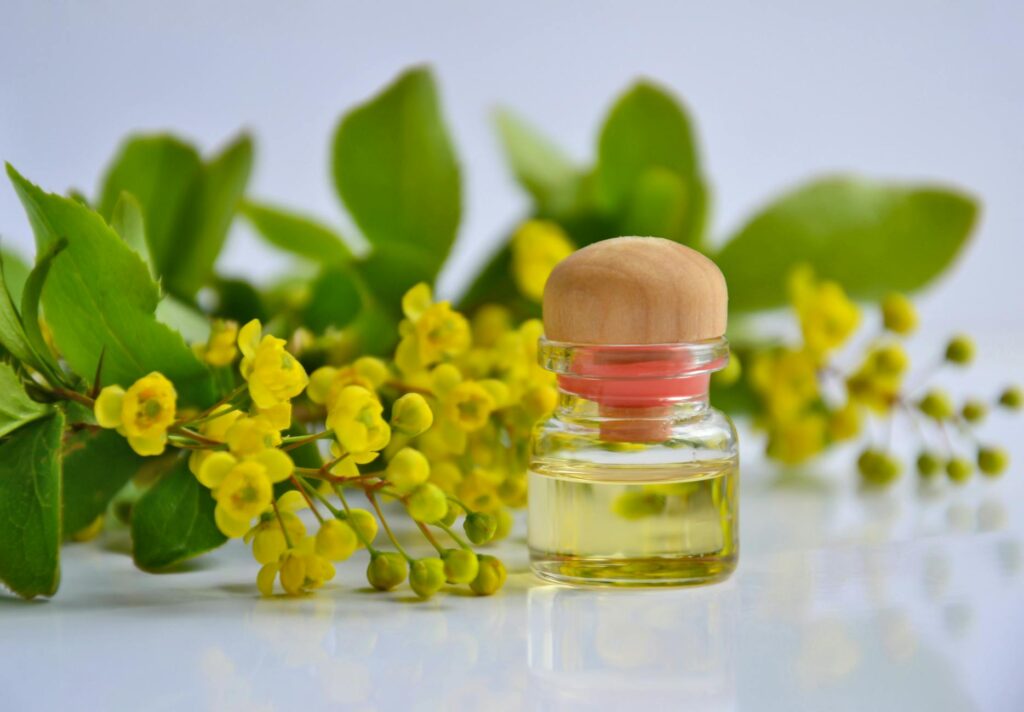
The extraction process captures the essential oils contained within the plant, resulting in a concentrated liquid that embodies the plant’s natural fragrance and properties. Basil extract is widely used in perfumes, cosmetics, and therapeutic applications, making it a versatile ingredient in both personal care and holistic practices.
Key Benefits and Properties
Basil extract is renowned for its distinct aroma and beneficial properties. Some of the key components found in basil oil include:
- Eugenol: Known for its anti-inflammatory properties, eugenol contributes to the warm, spicy scent of basil.
- Linalool: This compound adds a floral note to the aroma and is often associated with relaxation and calming effects.
- Camphor: Found in some basil varieties, camphor can stimulate the senses and promote clarity of mind.
- Antioxidant properties: Protecting cells from oxidative stress.
- Anti-inflammatory effects: Potentially reducing inflammation in the body.
- Mood enhancement: Its uplifting aroma may help alleviate feelings of stress and anxiety.
- Enhance focus and concentration: The invigorating aroma of basil can help stimulate the mind, making it beneficial for those needing a boost in productivity or mental clarity.
- Promote emotional balance: The soothing qualities of basil may assist in alleviating stress and promoting a sense of well-being.
- Support respiratory health: The aroma of basil is sometimes used to relieve feelings of congestion and promote easier breathing.
- Dilution: Essential oils, including basil extract, should be diluted in carrier oils before application to the skin to avoid irritation.
- Sensitivity: Individuals may have varying sensitivities to essential oils. It’s advisable to perform a patch test prior to widespread use.
- Pregnancy and Nursing: Pregnant or nursing women should consult a qualified healthcare provider before using basil extract, as certain essential oils may not be recommended during these periods.
- Medication Interactions: Those on medication, especially blood thinners, should exercise caution and consult a healthcare provider, as basil may have potential interactions.
- Storage Conditions: Basil extract should be stored in a cool, dark place away from direct sunlight and heat. Exposure to light and heat can degrade the quality of essential oils.
- Container: Ideally, basil extract should be stored in a dark glass bottle to protect it from UV rays. Glass containers are also less likely to react with the oil compared to plastic.
- Shelf Life: While the shelf life of basil extract can vary depending on various factors, it is generally recommended to use it within 1 to 3 years of extraction. Regularly checking the scent and appearance can help determine its freshness.
In addition to its aromatic characteristics, basil extract is often attributed with various benefits, including:
These properties have made basil extract a popular choice in both culinary and aromatherapy practices.
Common Uses
Historically, basil has been used in a variety of contexts that extend beyond its culinary applications:
1. Culinary Uses: Basil is a staple herb in many cuisines, particularly in Mediterranean and Asian dishes. It is commonly used in sauces, salads, soups, and marinades.
2. Traditional Medicine: Various cultures have utilized basil for its supposed healing properties. In Ayurvedic medicine, for example, basil is considered a sacred herb with numerous health benefits.
3. Perfumes and Cosmetics: The fragrant oil of basil is a popular ingredient in the formulation of perfumes, soaps, and skincare products due to its pleasant scent and potential skin benefits.
4. Household Uses: Basil extract is sometimes included in natural cleaning products for its antibacterial properties and refreshing fragrance.
Aromatherapy Applications
In the realm of aromatherapy, basil extract is esteemed for its uplifting and clarifying properties. It is often used to:
Basil oil can be diffused in a room, added to a warm bath, or blended into massage oils for a holistic experience. Its versatility allows it to pair well with other essential oils, such as lavender, lemon, and eucalyptus, enhancing its therapeutic effects.
Safety Considerations
While basil extract is generally regarded as safe when used appropriately, there are some considerations to keep in mind:
Storage and Shelf Life
To maintain the quality and efficacy of basil extract, proper storage is essential:
Frequently Asked Questions
1. Can basil extract be ingested?
Basil extract is primarily used for aromatic and topical applications. While culinary basil is safe to consume, essential oils should only be ingested under the guidance of a qualified practitioner.
2. What are the different varieties of basil used for extraction?
Several varieties of basil are used for extraction, including sweet basil, Thai basil, and holy basil (Tulsi). Each variety has its unique aroma and properties.
3. How can I use basil extract in my home?
Basil extract can be used in diffusers, added to homemade cleaning products, or incorporated into DIY skincare formulations. Always ensure proper dilution when applying topically.
4. Is basil extract safe for children?
While basil extract is generally considered safe, it is advisable to consult with a healthcare provider for specific recommendations regarding children and essential oils.
5. Where can I purchase high-quality basil extract?
High-quality basil extract can be found at specialty health stores, online retailers, and essential oil suppliers. Always look for reputable brands that provide information about sourcing and testing.
Conclusion
The history and origins of basil extract reveal a fascinating interplay between culture, cuisine, and holistic practices. With its rich aromatic profile and diverse applications, basil extract continues to captivate and inspire people around the world. Whether used in cooking, aromatherapy, or personal care, basil remains a beloved herb with a legacy that spans centuries. Understanding its history enhances our appreciation of this remarkable plant and its contributions to our everyday lives.