
History and Origins of Bitter Melon Extract
Introduction
Bitter melon, scientifically known as Momordica charantia, is a tropical and subtropical vine belonging to the Cucurbitaceae family. It is native to Asia, Africa, and the Caribbean, where it has been cultivated for centuries. The extract derived from its fruit has gained popularity in various cultures due to its unique flavor profile and potential health benefits. This article delves into the history and origins of bitter melon extract, exploring its uses, benefits, and applications in aromatherapy.
What Is Bitter Melon Extract?
Bitter melon extract is derived from the fruit of the bitter melon plant, which is characterized by its distinctive warty exterior and bitter taste. The extract is typically made by crushing the fruit or using its juice, which is then concentrated for its beneficial compounds. Bitter melon is often consumed in its raw form, cooked, or infused into beverages and supplements. The extract is rich in vitamins, minerals, and bioactive compounds, including alkaloids, flavonoids, and phenolic acids, which contribute to its unique properties.
Key Benefits and Properties
Bitter melon extract is known for its diverse range of potential benefits, which have been celebrated in traditional medicine for centuries. Some of the key properties include:
1. Antioxidant Properties: Bitter melon contains several antioxidants that help combat oxidative stress in the body. These compounds can neutralize free radicals, potentially reducing cellular damage.
2. Anti-Inflammatory Effects: Research suggests that bitter melon extract may possess anti-inflammatory properties, which can be beneficial in managing conditions characterized by inflammation.
3. Blood Sugar Regulation: Traditionally, bitter melon has been used in various cultures to support healthy blood sugar levels. Some studies indicate that compounds within bitter melon may enhance insulin sensitivity.
4. Digestive Health: The bitter compounds in the extract are thought to stimulate digestive enzymes and promote healthy digestion, making it a common remedy for digestive issues.
5. Antimicrobial Activity: Bitter melon extract has shown potential antimicrobial properties, which may help in combating certain bacterial and fungal infections.
Common Uses
Bitter melon extract has a wide array of uses, particularly in culinary and medicinal applications:
Culinary Uses
- Food Ingredient: Bitter melon is commonly used in Asian cuisines, where it is added to stir-fries, soups, and salads. The extract can also be used in smoothies or as a dietary supplement.
- Beverages: In some cultures, bitter melon juice or tea is consumed for its flavor and purported health benefits.
- Traditional Medicine: Various traditional medicine systems, including Ayurveda and Traditional Chinese Medicine (TCM), have utilized bitter melon for centuries to address various health concerns.
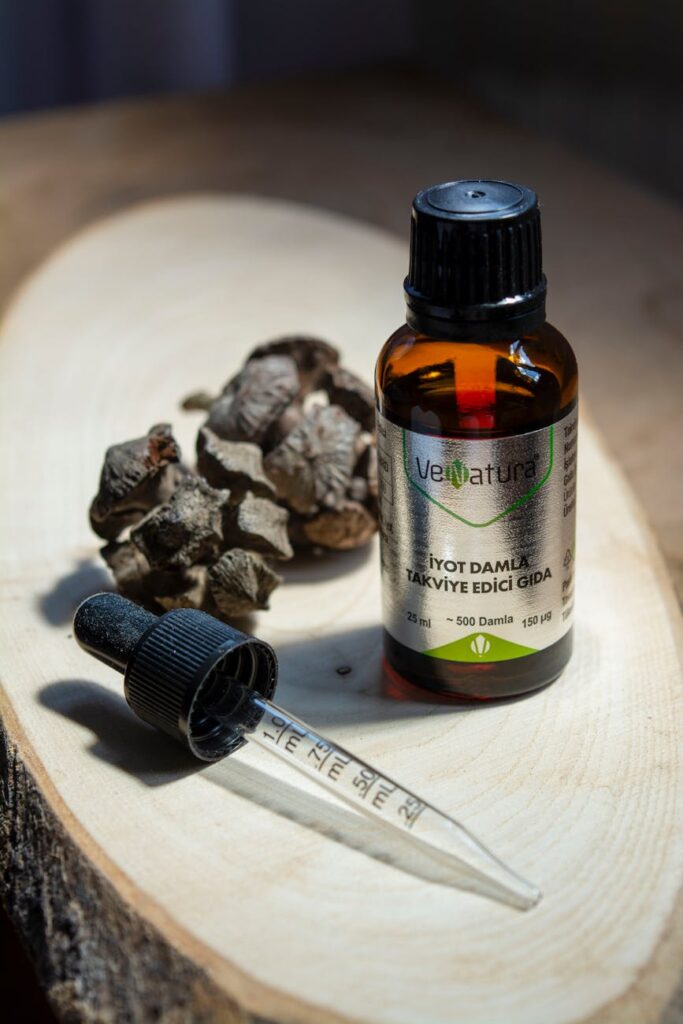
- Dietary Supplements: Bitter melon extract is widely available in capsule or liquid form as a dietary supplement, often marketed for its potential health benefits.
- Relaxation Blends: When combined with calming essential oils like lavender or chamomile, bitter melon extract may help create a soothing atmosphere.
- Topical Applications: In some holistic practices, bitter melon extract can be mixed with carrier oils and applied topically for its potential anti-inflammatory benefits.
- Storage Conditions: Keep the extract in a cool, dark place, away from direct sunlight and moisture. Glass containers are preferable to plastic, as they do not leach chemicals.
- Shelf Life: The shelf life of bitter melon extract can vary based on the form (liquid, capsule, etc.) and the manufacturer’s recommendations. Typically, liquid extracts can last up to two years when stored correctly, while capsules may have a similar or slightly longer shelf life.
Medicinal Uses
Aromatherapy Applications
Aromatherapy primarily revolves around the use of essential oils derived from aromatic plants. While bitter melon itself is not typically used in essential oil form, its extract can still play a role in holistic practices. Bitter melon extracts can be found in some formulations aimed at promoting relaxation or balance, often in combination with other essential oils.
Blends and Diffusion
Safety Considerations
While bitter melon extract is generally considered safe for most people when used in moderation, there are some safety considerations to keep in mind:
1. Allergic Reactions: Individuals with known allergies to members of the Cucurbitaceae family should exercise caution when using bitter melon extract.
2. Blood Sugar Levels: Due to its potential effects on blood sugar regulation, it is advisable for individuals with diabetes or those on blood sugar-lowering medications to consult a healthcare professional before using bitter melon extract.
3. Pregnancy and Breastfeeding: Pregnant and breastfeeding women should avoid bitter melon extract, as its effects during these periods have not been adequately studied.
4. Interactions with Medications: Bitter melon may interact with certain medications, including those for diabetes and blood pressure. Consultation with a healthcare professional is essential before incorporating bitter melon into your regimen.
Storage and Shelf Life
To maintain the quality of bitter melon extract, proper storage is essential:
Frequently Asked Questions
1. What does bitter melon taste like?
Bitter melon has a distinct bitter flavor, which can be an acquired taste. It is often likened to a combination of cucumber and gourd, but with a more pronounced bitterness.
2. How is bitter melon extract made?
Bitter melon extract is made by processing the fruit, either by crushing or juicing, and then concentrating the liquid to retain its beneficial compounds.
3. Can bitter melon extract help with weight loss?
While some traditional uses suggest that bitter melon may support weight management, scientific evidence is limited. It is best used as part of a balanced diet and lifestyle.
4. Is bitter melon safe for children?
Bitter melon extract is generally not recommended for children without consulting a healthcare professional.
5. Where can I buy bitter melon extract?
Bitter melon extract is widely available in health food stores, online retailers, and herbal shops, often sold in liquid or capsule form.
Conclusion
The history and origins of bitter melon extract highlight its cultural significance and enduring popularity in various traditional medicinal practices. With its unique properties and diverse applications, bitter melon extract continues to attract interest in the realms of nutrition and holistic health. Whether used in culinary dishes, as a dietary supplement, or in aromatherapy applications, bitter melon extract remains a fascinating subject for further exploration in the field of natural wellness.