
History and Origins of Black Pepper Oil Safety
Introduction
Black pepper, known scientifically as Piper nigrum, is one of the most widely used spices in the world. Native to the tropical regions of India, particularly Kerala, black pepper has a rich history that dates back thousands of years. Its essential oil, derived from the peppercorns, possesses unique aromatic and therapeutic properties that have garnered attention in both culinary and holistic practices. As the popularity of essential oils continues to rise, understanding the safety of black pepper oil is paramount for both novice and experienced users.
What Is Black Pepper Oil Safety?
Black pepper oil is extracted through steam distillation of the dried berries of the black pepper plant. The resulting essential oil is characterized by its warm, spicy aroma and is often used for its stimulating and invigorating properties. However, safety considerations are crucial when incorporating any essential oil into personal care or therapeutic practices.
Black pepper oil safety refers to the precautions, recommended usage, and potential contraindications associated with its application. Understanding these factors can enhance the positive effects of the oil while minimizing any risks.
Key Benefits and Properties
Black pepper oil is celebrated for its various benefits, which are primarily attributed to its chemical composition. Key components include:
- piperine: the compound responsible for black pepper’s pungency, which may enhance bioavailability and absorption of other nutrients.
- terpenes: such as limonene and pinene, which contribute to the oil’s aromatic profile and potential therapeutic effects.
- Culinary: While black pepper is more commonly used in its whole or ground form, a small amount of black pepper essential oil can enhance flavor in cooking when used cautiously.
- Topical Applications: Often diluted with a carrier oil, black pepper oil is used in massage blends and lotions for its warming effects.
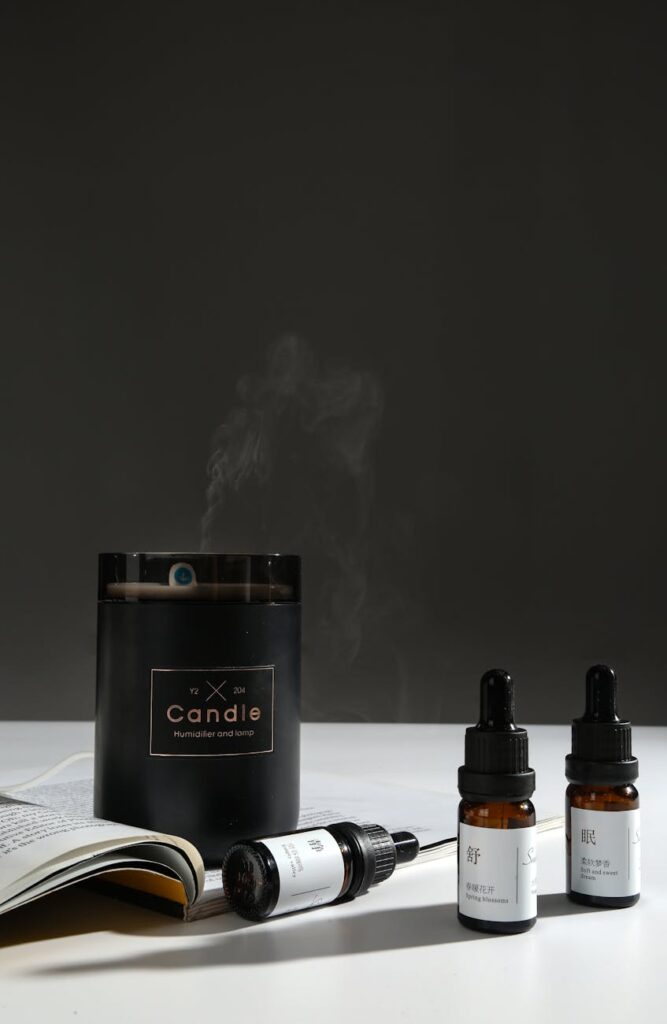
- Aromatherapy: Diffusing black pepper oil can create an invigorating atmosphere, potentially enhancing focus and motivation.
- Bath Products: Added to bath salts or oils, black pepper oil can offer a warming, soothing experience.
- Diffusion: Adding a few drops of black pepper oil to a diffuser can enhance the ambiance of a space, promoting alertness and concentration.
- Inhalation: Direct inhalation from the bottle or through steam inhalation can help invigorate the senses, especially during periods of fatigue.
- Massage: When blended with a carrier oil, black pepper oil can be incorporated into massage therapies to alleviate muscle tension and improve circulation.
- Blending: Black pepper oil blends well with other essential oils, such as lavender, eucalyptus, and citrus oils, allowing for customized aromatic experiences.
- Storage: Essential oils should be kept in dark glass bottles to protect them from light and heat. Store in a cool, dry place away from direct sunlight.
- Shelf Life: The shelf life of black pepper oil is typically around 3-5 years if stored correctly. However, it is advisable to check for any changes in aroma or consistency before use.
Benefits of Black Pepper Oil
1. Digestive Aid: Black pepper oil is traditionally believed to stimulate digestive enzymes and promote overall digestive health.
2. Circulatory Support: The warming properties of black pepper oil may help improve circulation, which can enhance energy levels and vitality.
3. Muscle Relaxation: When used topically in diluted forms, black pepper oil is known for its ability to relieve muscle tension and discomfort.
4. Antioxidant Properties: The oil is thought to have antioxidant effects, helping to combat oxidative stress in the body.
5. Mood Enhancement: The stimulating aroma of black pepper oil may contribute to mood elevation and increased mental clarity.
Common Uses
Black pepper oil can be utilized in various applications, including:
Aromatherapy Applications
In aromatherapy, black pepper oil is favored for its stimulating and invigorating properties. It can be used in various ways:
Safety Considerations
While black pepper oil offers numerous benefits, several safety considerations should be kept in mind:
Dilution
Black pepper oil is highly concentrated and should always be diluted before topical application. A typical dilution ratio is 2-3% in a carrier oil, which equates to about 12-18 drops of essential oil per ounce of carrier oil. This minimizes the risk of skin irritation or sensitivity.
Skin Sensitivity
Due to its warming properties, black pepper oil may cause irritation, especially on sensitive skin. A patch test is advisable before widespread use. To conduct a patch test, apply a small diluted amount to a discreet area of skin and observe for any adverse reactions over 24 hours.
Pregnancy and Nursing
Pregnant and nursing individuals should exercise caution when using black pepper oil. It is advisable to consult with a healthcare professional before use to ensure safety for both mother and child.
Drug Interactions
Black pepper oil may interact with certain medications, particularly those that affect blood pressure or anticoagulants. Consulting a healthcare provider before integrating black pepper oil into a routine is recommended.
Not for Internal Use
While black pepper is a common culinary spice, the essential oil form is highly concentrated and not intended for internal consumption unless under the guidance of a qualified practitioner.
Storage and Shelf Life
Proper storage is essential for maintaining the integrity of black pepper oil:
Frequently Asked Questions
1. Can black pepper oil be used in cooking?
While it is possible to use black pepper oil in culinary applications, it is crucial to use it sparingly due to its concentrated nature. Always ensure the oil is food-grade and suitable for culinary use.
2. Is black pepper oil safe for children?
Due to the potency of essential oils, it is generally recommended to avoid using them on children under the age of two. For older children, consult a qualified practitioner for guidance on safe usage.
3. What are the best carrier oils for diluting black pepper oil?
Common carrier oils include sweet almond oil, jojoba oil, and coconut oil. Choose a carrier oil based on personal preference and skin compatibility.
4. Can black pepper oil help with stress relief?
The stimulating aroma of black pepper oil may help improve focus and mental clarity, which can indirectly contribute to stress relief. However, individual responses may vary.
5. Is it safe to apply black pepper oil directly to the skin?
No, black pepper oil should always be diluted with a carrier oil before topical application to prevent skin irritation or sensitivity.
Conclusion
Understanding the history and safety of black pepper oil is essential for its effective and responsible use. With its rich background and diverse applications, black pepper oil continues to be a valuable addition to both culinary and aromatherapy practices. By adhering to safety guidelines and exploring its benefits, users can enjoy the warming, stimulating properties of this remarkable essential oil while minimizing potential risks.