
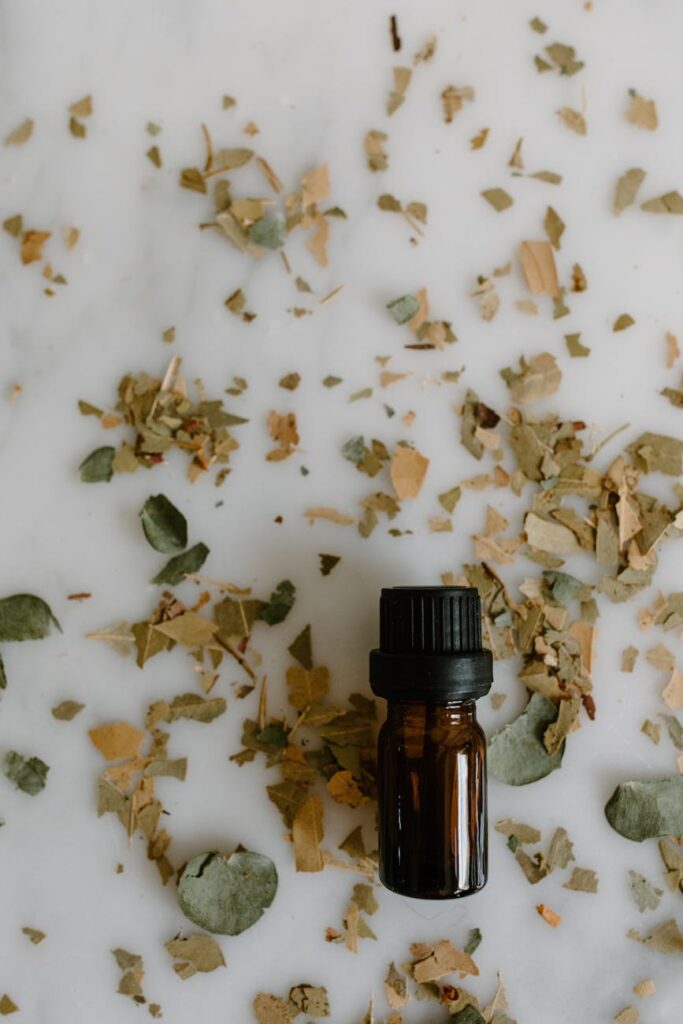
History and Origins of Borage Oil
Introduction
Borage oil, derived from the seeds of the borage plant (Borago officinalis), has captivated the interest of herbalists and aromatherapy practitioners for centuries. This oil is valued not only for its unique properties but also for its rich historical significance. This article will delve into the origins of borage oil, exploring its history, benefits, common uses, and applications in aromatherapy, while emphasizing safety considerations and proper storage.
What Is Borage Oil?
Borage oil is extracted from the seeds of the borage plant, a member of the Boraginaceae family. Known for its star-shaped blue flowers, borage is native to the Mediterranean region but has since spread to various parts of the world. The oil itself is rich in gamma-linolenic acid (GLA), an omega-6 fatty acid that is crucial for maintaining healthy skin and overall well-being. The extraction process typically involves cold-pressing the seeds, which preserves the oil’s essential nutrients.
Key Benefits and Properties
Borage oil is celebrated for its numerous benefits, primarily due to its high GLA content. Some of its key properties include:
1. Anti-inflammatory Effects: Borage oil is known for its potential to reduce inflammation, making it a popular choice among those seeking natural remedies for various skin conditions.
2. Moisturizing Qualities: The oil is highly effective at hydrating and nourishing the skin, making it a valuable ingredient in many cosmetic products.
3. Hormonal Balance: Some users find that borage oil helps in balancing hormones, particularly for women experiencing premenstrual syndrome (PMS) or menopausal symptoms.
4. Skin Regeneration: Its regenerative properties can assist in the healing of scars, eczema, and other skin irritations.
5. Antioxidant Properties: Borage oil contains antioxidants that may help combat free radicals, contributing to healthier and more resilient skin.
Common Uses
Borage oil has a variety of applications, both in traditional practices and modern formulations. Some common uses include:
- Cosmetics: Borage oil is frequently found in skincare products such as creams, lotions, and serums due to its moisturizing and anti-aging properties.
- Food Supplements: It is available in capsule form as a dietary supplement for those looking to enhance their intake of essential fatty acids.
- Massage Oil: Due to its skin-nourishing properties, borage oil is often blended with other carrier oils for use in massage therapies.
- Hair Care: Some formulations incorporate borage oil to improve scalp health and enhance the shine and vitality of hair.
- Skin Sensitivity: Individuals with sensitive skin should perform a patch test before using borage oil to check for any adverse reactions.
- Pregnancy and Nursing: Pregnant or nursing individuals should consult with a healthcare professional before using borage oil, as its effects during these periods are not well-studied.
- Medication Interactions: Borage oil may interact with certain medications, particularly anticoagulants and blood pressure medications. It is advisable to consult a healthcare provider before starting any new supplement or oil.
- Quality of Oil: Always choose high-quality, cold-pressed borage oil from reputable sources to ensure purity and effectiveness.
- Cool, Dark Place: Store borage oil in a cool, dark environment, away from direct sunlight and heat sources. Exposure to light and heat can degrade the oil’s quality.
- Tightly Sealed Containers: Ensure that the bottle is tightly sealed to prevent oxidation. Glass containers are preferable to plastic as they do not leach chemicals into the oil.
- Shelf Life: Borage oil typically has a shelf life of around 6 to 12 months when stored correctly. It is advisable to check for any off-smells or changes in appearance before use.
Aromatherapy Applications
In the realm of aromatherapy, borage oil is not as commonly used as other essential oils; however, it can still play a role in holistic practices. Its calming properties make it suitable for promoting relaxation and emotional balance. Here are some applications:
1. Blending with Other Oils: Borage oil can be combined with essential oils like lavender or chamomile to enhance relaxation in diffusers or personal inhalers.
2. Topical Applications: When diluted with a carrier oil, borage oil can be applied to pulse points or areas of tension, promoting a sense of calm and well-being.
3. Bath Additive: Adding borage oil to bathwater can provide a soothing experience while also moisturizing the skin.
4. Skincare Regimen: Incorporating borage oil into a skincare routine can enhance the benefits of other essential oils, providing additional nourishment and hydration.
Safety Considerations
While borage oil is generally considered safe for topical use, there are some important safety considerations to keep in mind:
Storage and Shelf Life
To maintain the integrity and efficacy of borage oil, proper storage is essential:
Frequently Asked Questions
1. What is the primary component of borage oil that contributes to its benefits?
The primary component is gamma-linolenic acid (GLA), which is an omega-6 fatty acid known for its anti-inflammatory properties.
2. Can borage oil be used for cooking?
Borage oil is primarily used for cosmetic and therapeutic purposes. While it is technically safe to consume, it is not commonly used in cooking due to its strong flavor and high cost.
3. Is borage oil suitable for all skin types?
While borage oil is generally well-tolerated, individuals with sensitive skin should perform a patch test before applying it directly to larger areas.
4. How can borage oil be incorporated into a skincare routine?
Borage oil can be added to creams, lotions, or serums, or it can be used as a standalone facial oil. It can also be blended with other oils to enhance its effectiveness.
5. Where can I purchase high-quality borage oil?
High-quality borage oil can typically be found at health food stores, specialty cosmetic shops, or online through reputable retailers that focus on natural products.
Conclusion
The history and origins of borage oil reveal its significance not only in traditional herbal practices but also in modern aromatherapy and skincare. With its unique properties and benefits, borage oil continues to be a valuable resource for those seeking natural solutions for skin health and emotional well-being. As with any natural product, understanding its uses, benefits, and safety considerations is crucial for maximizing its potential. By integrating borage oil into holistic practices mindfully, individuals can enjoy the many benefits this remarkable oil has to offer.