
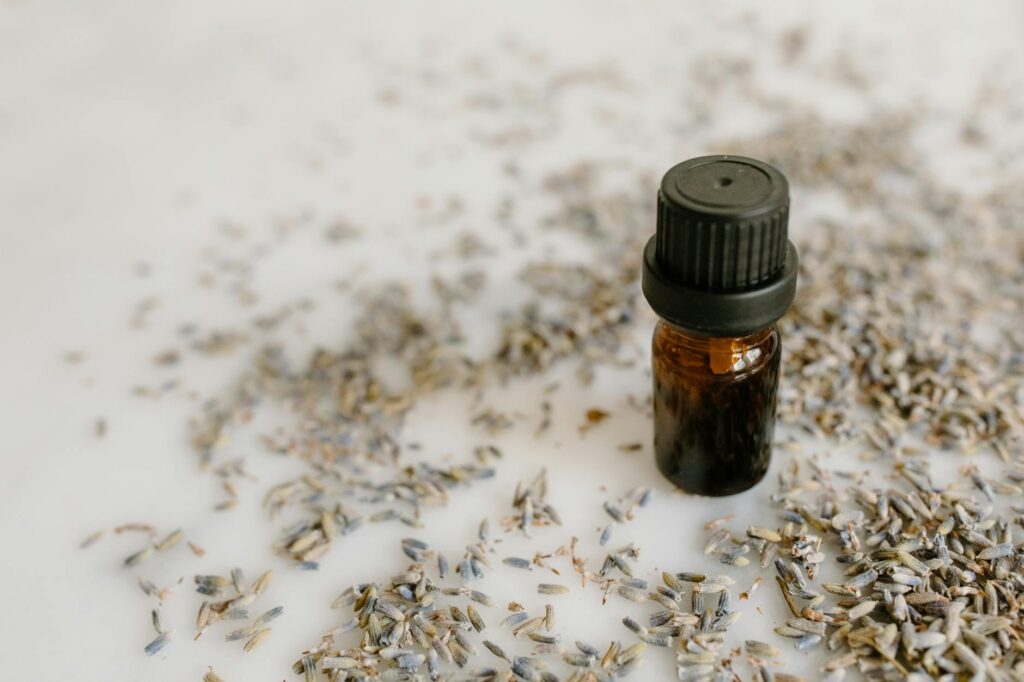
History and Origins of Botanical Ingredients – Baobab Oil
Introduction
Baobab oil, derived from the seeds of the Baobab tree (Adansonia digitata), has garnered significant attention in recent years due to its rich nutritional profile and versatile applications. This oil, steeped in history and tradition, is not only valued for its unique properties but also for its cultural significance in various regions, particularly in Africa. As the world increasingly embraces natural and sustainable ingredients in beauty, wellness, and culinary applications, understanding the origins and benefits of baobab oil becomes essential.
What Is Botanical Ingredients – Baobab Oil?
Baobab oil is cold-pressed from the seeds of the Baobab tree, often referred to as the “Tree of Life” due to its extraordinary resilience and longevity. Native to Africa, particularly in regions like Madagascar, mainland Africa, and Australia, the Baobab tree can live for over a thousand years and produces large, nutrient-dense fruits. The oil extracted from its seeds is prized for its light texture, subtle nutty aroma, and high content of fatty acids and antioxidants.
The oil is typically pale yellow to golden in color and has a smooth consistency, making it a popular ingredient in cosmetics and skincare formulations. Its composition is predominantly made up of oleic, linoleic, and palmitic acids, which contribute to its moisturizing and skin-nourishing properties.
Key Benefits and Properties
Baobab oil is rich in essential fatty acids, vitamins, and antioxidants, offering a range of benefits:
1. Moisturizing Properties: The high content of oleic acid makes baobab oil an excellent emollient, helping to hydrate and soften the skin. It penetrates easily, providing deep nourishment without leaving a greasy residue.
2. Antioxidant Benefits: Baobab oil is rich in vitamins A, D, E, and F, which play a crucial role in protecting the skin from oxidative stress. Antioxidants help combat free radicals, potentially reducing the signs of aging.
3. Anti-inflammatory Effects: The presence of linoleic acid contributes to its anti-inflammatory properties, making it suitable for soothing irritated or sensitive skin.
4. Skin Repair: Baobab oil supports the skin’s natural barrier function and may assist in the repair of damaged skin, promoting a more even skin tone and texture.
5. Nutritional Profile: In addition to its topical applications, baobab oil is also edible and rich in essential fatty acids, making it a nutritious addition to culinary applications.
Common Uses
Baobab oil has a myriad of applications across various fields:
Skincare
- Moisturizers: Used in lotions, creams, and serums to provide hydration and nourishment.
- Cleansers: Its gentle nature makes it suitable for facial cleansers and makeup removers.
- Body Oils: Often used as a base oil in massage blends or as a standalone body oil.
- Conditioners: Baobab oil is included in hair conditioners and treatments for its ability to hydrate and strengthen hair strands.
- Scalp Treatments: Its anti-inflammatory properties may help soothe an irritated scalp.
- Cooking Oil: Baobab oil can be used in salad dressings, drizzled over dishes, or as a finishing oil, imparting a mild flavor and nutritional benefits.
- Dietary Supplement: Some people consume baobab oil for its fatty acid profile, although it is crucial to consult with a healthcare provider before incorporating any new oil into a diet.
- Massage Blends: Its smooth texture makes it ideal for massage oils, providing hydration while allowing for easy glide.
- Skin Care Formulations: When mixed with essential oils, it can enhance the moisturizing effects of the blend.
- Diffuser Blends: While less common, baobab oil can be added to diffuser blends to create a subtle base, complementing stronger essential oils.
- Cool, Dark Place: Store baobab oil in a cool, dark area away from direct sunlight and heat sources to prevent oxidation.
- Seal Tight: Ensure that the bottle is tightly sealed when not in use to minimize exposure to air, which can degrade the oil.
- Shelf Life: When stored correctly, baobab oil can last up to 24 months. Always check for any changes in color, smell, or texture before use.
Hair Care
Culinary Uses
Supplementation
Aromatherapy Applications
In the realm of aromatherapy, baobab oil may not be as commonly recognized as essential oils, but its subtle scent and beneficial properties can enhance various blends. While it does not have a strong aroma, it can act as a carrier oil for essential oils, helping to dilute them for topical application while adding its own nourishing benefits.
Baobab oil can be used in:
Safety Considerations
Baobab oil is generally considered safe for topical and culinary use; however, it is essential to consider the following precautions:
1. Patch Test: Individuals should perform a patch test before using baobab oil on large skin areas, especially if they have sensitive skin or allergies.
2. Consultation: Those with underlying health conditions or pregnant women should consult a healthcare provider before using baobab oil as a dietary supplement or topical treatment.
3. Quality of the Product: Ensure that the baobab oil is sourced from reputable suppliers to guarantee purity and quality.
Storage and Shelf Life
Proper storage is crucial for maintaining the quality of baobab oil:
Frequently Asked Questions
1. Can baobab oil be used on all skin types?
Yes, baobab oil is suitable for most skin types, including dry, oily, and sensitive skin. Its lightweight texture allows it to absorb easily without clogging pores.
2. Is baobab oil safe for children?
Baobab oil is generally considered safe for children. However, it is advisable to consult a pediatrician before applying any new oils to a child’s skin.
3. Can baobab oil help with acne?
While baobab oil has anti-inflammatory properties and may benefit skin conditions, individuals with acne-prone skin should consult a dermatologist for personalized advice.
4. How can I incorporate baobab oil into my skincare routine?
Baobab oil can be used alone or blended with other oils, added to creams and lotions, or incorporated into DIY skincare recipes.
5. Is baobab oil edible?
Yes, baobab oil is edible and can be used in cooking; however, it is best to consult with a healthcare provider before adding new oils to your diet.
Conclusion
Baobab oil stands out as a versatile botanical ingredient with deep historical roots and a wide array of benefits. Its unique properties make it a valuable addition to skincare, hair care, and culinary applications. As the global market continues to appreciate natural ingredients, baobab oil’s potential remains promising, embodying both traditional wisdom and modern wellness. Understanding its origins and benefits not only enriches the knowledge of this remarkable oil but also encourages a more sustainable approach to beauty and health.