
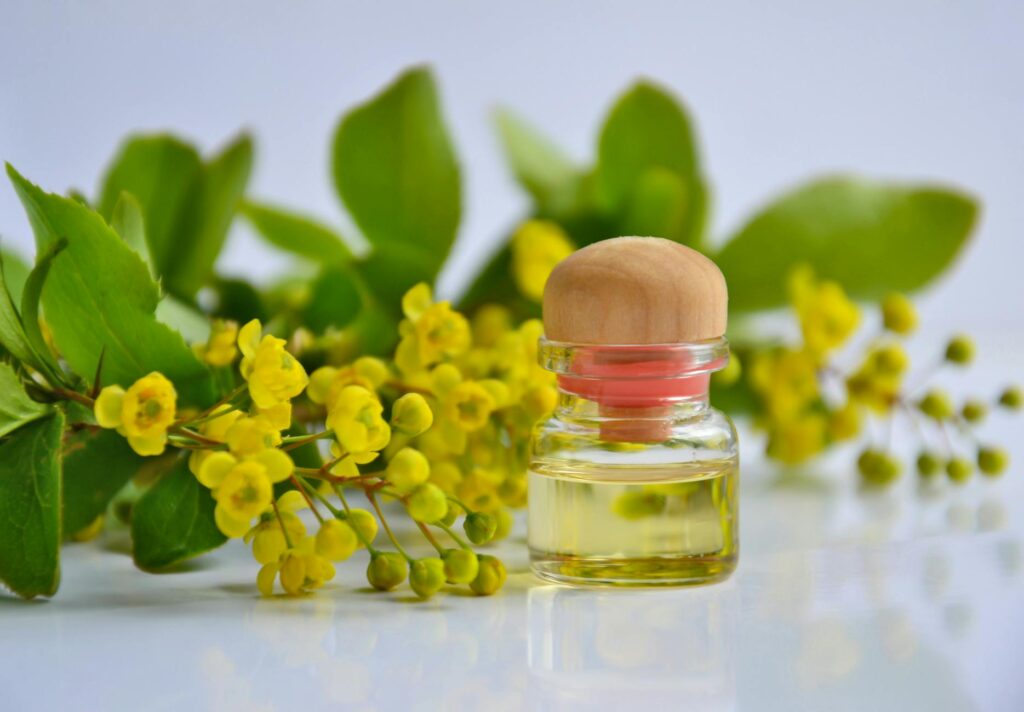
History and Origins of Botanical Ingredients – Camellia Oil
Introduction
Camellia oil, extracted from the seeds of the Camellia plant, has a long and storied history that spans various cultures and regions. This botanical ingredient is celebrated not only for its luxurious properties but also for its versatility in beauty, culinary applications, and traditional medicine. Understanding the origins and historical significance of camellia oil provides a deeper appreciation of its rich heritage and enduring popularity.
What Is Botanical Ingredients – Camellia Oil?
Camellia oil, specifically known as Camellia oleifera, is derived from the seeds of the Camellia plant, which belongs to the family Theaceae. There are several species of Camellia, but Camellia oleifera is the most commonly used for oil extraction. The oil is characterized by its light texture, pale yellow color, and mild flavor, making it an appealing choice for both cosmetic and culinary uses.
Historically, camellia oil has been utilized in various forms, including as a cooking oil, a skin moisturizer, and even as a hair conditioner. The oil is rich in monounsaturated fatty acids, particularly oleic acid, and contains a variety of beneficial compounds, including vitamins, antioxidants, and phytosterols.
Key Benefits and Properties
Camellia oil is lauded for its numerous beneficial properties:
1. Moisturizing: Rich in oleic acid, camellia oil penetrates the skin easily, providing deep hydration without clogging pores.
2. Antioxidant-Rich: The presence of antioxidants, such as vitamin E, helps combat free radicals, which can contribute to premature aging.
3. Anti-Inflammatory: Camellia oil has natural anti-inflammatory properties that can soothe irritated skin and reduce redness.
4. Nourishing: The oil is known to nourish hair and scalp, making it a popular ingredient in hair care products.
5. Lightweight: Its non-greasy texture makes it suitable for all skin types, including oily and combination skin.
Common Uses
The versatility of camellia oil lends itself to a variety of applications, including:
- Cosmetics: Used in lotions, serums, and creams, camellia oil serves as a natural moisturizer and skin conditioner.
- Hair Care: Many hair oils and conditioners incorporate camellia oil to enhance shine, reduce frizz, and promote overall hair health.
- Culinary Uses: In Asian cuisines, particularly Japanese and Chinese, camellia oil is used as a cooking oil due to its high smoke point and mild flavor.
- Traditional Medicine: In some cultures, camellia oil has been used in traditional remedies for its supposed health benefits, including skin healing and promoting hair growth.
- Lavender: Known for its calming properties, lavender essential oil pairs well with camellia oil to promote relaxation and stress relief.
- Tea Tree: The antimicrobial properties of tea tree oil can be complemented by the nourishing qualities of camellia oil, making it suitable for acne-prone skin.
- Rosemary: This blend can invigorate the senses while promoting scalp health when used in hair care formulations.
- Cool, Dark Place: Store the oil in a cool, dark location to prevent oxidation and prolong its shelf life.
- Sealed Container: Keep the oil in a tightly sealed container to minimize exposure to air and light, which can degrade its quality.
Aromatherapy Applications
In the realm of aromatherapy, camellia oil is often used for its calming and soothing properties. While it may not possess the strong aromatic profile of other essential oils, it can serve as a carrier oil for diluting more potent essential oils. This makes it a valuable component in blends designed for relaxation and skin nourishment.
Blending with Essential Oils
Camellia oil can be blended with various essential oils to enhance their therapeutic effects. Some popular combinations include:
Safety Considerations
While camellia oil is generally considered safe for topical use, there are a few precautions to keep in mind:
1. Patch Test: As with any new cosmetic product, it is advisable to conduct a patch test before widespread application, especially for those with sensitive skin.
2. Allergies: Individuals with allergies to other plants in the Theaceae family, such as tea plants, should exercise caution.
3. Consultation: Pregnant or nursing individuals should consult with a healthcare provider before incorporating new botanical ingredients into their routine.
Storage and Shelf Life
To maintain the quality of camellia oil, it is essential to store it properly:
The shelf life of camellia oil is typically around 1 to 2 years, depending on storage conditions. Regularly check for any changes in smell, color, or consistency, which may indicate spoilage.
Frequently Asked Questions
1. Can camellia oil be used for all skin types?
Yes, camellia oil is lightweight and non-comedogenic, making it suitable for all skin types, including oily and sensitive skin.
2. Is camellia oil safe for cooking?
Yes, camellia oil has a high smoke point, which makes it suitable for cooking. It can be used for sautéing, frying, and drizzling over salads.
3. How does camellia oil compare to other oils?
Camellia oil is lighter and more easily absorbed than many other oils, such as coconut oil or olive oil, making it a preferred choice for those seeking a non-greasy option.
4. Can camellia oil help with hair growth?
While many people report improved hair health and shine with regular use, individual results may vary. It is not a guaranteed solution for hair growth.
5. Where can I purchase camellia oil?
Camellia oil is available at health food stores, online retailers, and specialty beauty shops. Look for high-quality, cold-pressed oils to ensure maximum benefits.
Conclusion
Camellia oil, with its rich history and diverse applications, stands as a testament to the enduring appeal of botanical ingredients. From its origins in ancient Asian cultures to its modern uses in beauty and cooking, camellia oil continues to captivate individuals seeking natural solutions for skincare and culinary delights. As awareness of the benefits of botanical ingredients grows, camellia oil is poised to remain a staple in households around the globe.