
History and Origins of Botanical Ingredients – Camellia Sinensis Oil
Introduction
Camellia sinensis, commonly known as the tea plant, is a species of evergreen shrub or small tree native to East Asia. Renowned for its role in the production of tea, its leaves and buds are harvested for various types of tea, including green, black, oolong, and white. In addition to its culinary uses, Camellia sinensis also yields an essential oil that has gained popularity in the fields of aromatherapy and holistic wellness. This article explores the history and origins of Camellia sinensis oil, its benefits, uses, and applications in aromatherapy.
What Is Botanical Ingredients – Camellia Sinensis Oil?
Camellia sinensis oil is extracted from the leaves and buds of the Camellia sinensis plant. The oil is typically obtained through steam distillation, a process that preserves the delicate properties of the plant. While the oil is less common than the tea itself, it retains the plant’s chemical components, including polyphenols, catechins, and flavonoids, which are believed to contribute to its aromatic and therapeutic qualities.
The oil is often characterized by its light, fresh aroma, which carries subtle green, herbaceous notes. Due to its chemical composition, Camellia sinensis oil has been recognized for its potential antioxidant and anti-inflammatory properties, making it a valuable addition to various health and beauty products.
Key Benefits and Properties
Camellia sinensis oil is celebrated for a myriad of benefits, some of which include:
- Antioxidant Properties: The oil is rich in antioxidants, particularly polyphenols, which help neutralize free radicals in the body. This can contribute to overall skin health and may play a role in reducing signs of aging.
- Anti-Inflammatory Effects: Compounds in Camellia sinensis oil may help soothe inflammation, making it beneficial for individuals with sensitive skin or inflammatory conditions.
- Moisturizing Qualities: The oil is commonly used in skincare formulations due to its moisturizing properties. It can help maintain skin hydration without leaving a greasy residue.
- Astringent Properties: Camellia sinensis oil may offer mild astringent effects, which can benefit oily and acne-prone skin by helping to tighten pores and reduce excess oil.
- Calming Aroma: The fresh, green aroma of Camellia sinensis oil is often associated with relaxation and mental clarity, making it a popular choice in aromatherapy.
- Cosmetics and Skincare: The oil is a common ingredient in moisturizers, serums, and lotions due to its hydrating and antioxidant properties. It is often used in formulations designed for sensitive or mature skin.
- Hair Care Products: Camellia sinensis oil can enhance hair health by providing moisture and shine, making it a popular addition to shampoos, conditioners, and hair masks.
- Aromatherapy: The oil is used in diffusers and blends for its calming and uplifting aroma, helping to create a tranquil environment.
- Massage Oils: When diluted with a carrier oil, Camellia sinensis oil can be used in massage oils to provide a soothing and relaxing experience.
- Diffusion: Adding a few drops of Camellia sinensis oil to a diffuser can help create a serene atmosphere, promoting relaxation and mental clarity.
- Blending: The oil can be combined with other essential oils, such as lavender or bergamot, to enhance its calming effects and create personalized blends tailored to individual preferences.
- Topical Application: When diluted with a carrier oil, Camellia sinensis oil can be applied to pulse points for an aromatic experience throughout the day.
- Baths: Adding a few drops to bathwater can create a soothing and aromatic bathing experience, promoting relaxation and stress relief.
- Dilution: Always dilute essential oils with a carrier oil before applying them to the skin to minimize the risk of irritation or allergic reactions.
- Patch Test: Conduct a patch test prior to full application to ensure there are no adverse reactions. Apply a small amount of diluted oil to a discreet area of skin and wait 24 hours to check for any signs of irritation.
- Pregnancy and Nursing: Pregnant or nursing individuals should consult with a healthcare professional before using essential oils, including Camellia sinensis oil.
- Allergic Reactions: Individuals with known allergies to tea or related plants should exercise caution and consult a healthcare professional before using the oil.
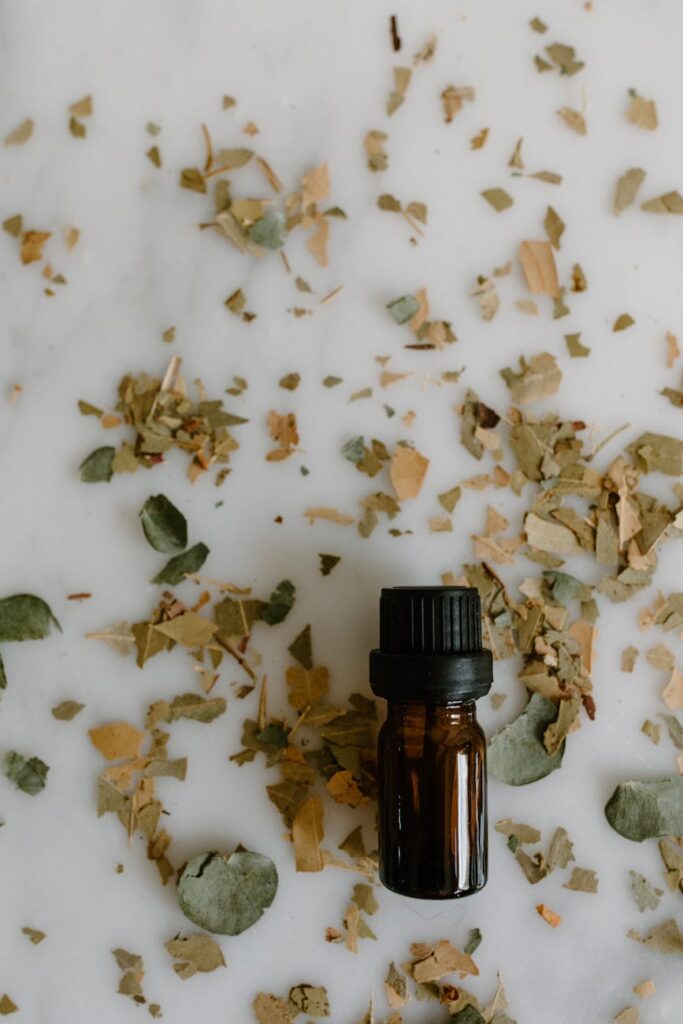
- Dark Glass Container: Store the oil in a dark glass bottle to protect it from light, which can degrade its quality over time.
- Cool, Dry Place: Keep the oil in a cool, dry area away from direct sunlight and heat sources, as temperature fluctuations can affect its stability.
- Seal Tightly: Ensure that the bottle is sealed tightly after each use to prevent oxidation.
Common Uses
The versatility of Camellia sinensis oil allows it to be utilized in various applications, including:
Aromatherapy Applications
In aromatherapy, Camellia sinensis oil is valued for its potential to promote emotional well-being. Its fresh scent is often described as uplifting and calming, making it suitable for various applications, including:
Safety Considerations
While Camellia sinensis oil is generally considered safe for topical use and aromatherapy, it is essential to follow certain precautions:
Storage and Shelf Life
Proper storage of Camellia sinensis oil is crucial to maintain its quality and efficacy. Here are some storage tips:
The shelf life of Camellia sinensis oil can vary based on factors such as extraction method and storage conditions. Generally, when stored correctly, the oil can last for about 1 to 3 years.
Frequently Asked Questions
1. Can Camellia sinensis oil be ingested?
While some essential oils are safe for ingestion, it is essential to consult with a healthcare professional before consuming any essential oil, including Camellia sinensis oil. Ingesting essential oils without guidance can lead to adverse effects.
2. Is Camellia sinensis oil suitable for all skin types?
Camellia sinensis oil is generally well-tolerated by most skin types, but individuals with sensitive skin should perform a patch test before full application to avoid any potential reactions.
3. Can I use Camellia sinensis oil in cooking?
Camellia sinensis oil is primarily used for its aromatic and therapeutic properties. While the tea leaves are often consumed, the essential oil is not typically used in cooking due to its concentrated nature.
4. How does Camellia sinensis oil compare to other essential oils?
Camellia sinensis oil has unique properties that differentiate it from other essential oils. Its fresh aroma and antioxidant-rich profile make it distinct, particularly in skincare and aromatherapy applications.
5. Where can I purchase Camellia sinensis oil?
Camellia sinensis oil can be found at health food stores, specialty aromatherapy shops, and online retailers. It is advisable to choose high-quality, pure oils to ensure the best experience and benefits.
Conclusion
Camellia sinensis oil, derived from the well-known tea plant, is a versatile botanical ingredient with a rich history rooted in traditional practices. Its antioxidant properties, calming aroma, and diverse applications make it a valuable addition to both skincare and aromatherapy. As interest in natural solutions continues to grow, understanding the origins and benefits of such botanical ingredients remains essential for informed use. Whether you are seeking to enhance your skincare routine or create a tranquil environment, Camellia sinensis oil offers a wealth of possibilities to explore.