
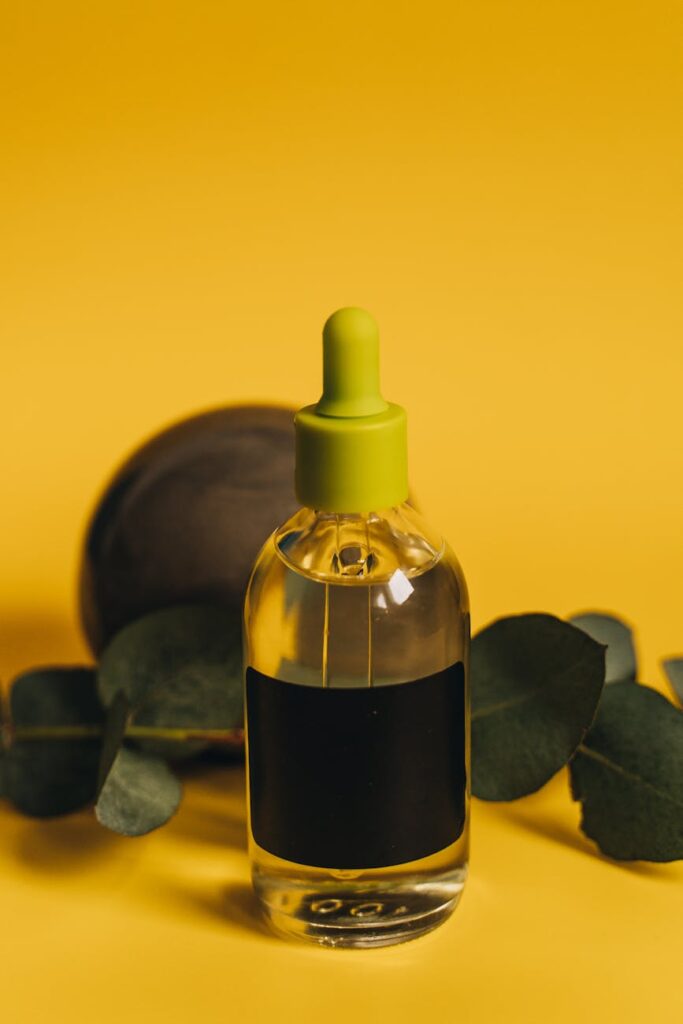
History and Origins of Botanical Ingredients – Maracuja Oil
Introduction
Maracuja oil, derived from the seeds of the passion fruit (Passiflora edulis), has gained considerable attention in the realms of skincare, aromatherapy, and holistic health. This oil is not only celebrated for its exquisite properties but also for its rich history and cultural significance across various regions. Understanding maracuja oil’s origins and uses provides insight into its value as a botanical ingredient.
What Is Botanical Ingredients – Maracuja Oil?
Maracuja oil, also known as passionfruit oil, is extracted from the seeds of the passion fruit plant, a climbing vine native to South America. The oil is typically obtained through cold pressing, a method that preserves the oil’s natural nutrients and therapeutic properties. Characterized by its light texture and subtle, fruity aroma, maracuja oil is often used in cosmetic formulations, culinary applications, and aromatherapy practices.
The passion fruit plant is part of the Passifloraceae family, with various species cultivated worldwide. While the fruit is edible and widely enjoyed for its tart flavor, the seeds contain a treasure trove of oil rich in essential fatty acids, vitamins, and antioxidants.
Key Benefits and Properties
Maracuja oil is notable for its rich composition, rendering it beneficial for various applications:
1. Essential Fatty Acids: The oil is particularly high in linoleic acid (omega-6) and oleic acid (omega-9). These fatty acids are known for their hydrating and nourishing properties, making maracuja oil an excellent moisturizer for skin and hair.
2. Vitamins and Antioxidants: Maracuja oil is rich in vitamins A and C, which are vital for maintaining skin health. Vitamin A promotes cell turnover and skin elasticity, while vitamin C is an antioxidant that helps combat free radicals and supports collagen production.
3. Anti-inflammatory Properties: The oil’s anti-inflammatory characteristics can help soothe irritated skin and reduce redness, making it suitable for sensitive skin types.
4. Non-comedogenic: Maracuja oil is lightweight and non-greasy, making it ideal for various skin types, including oily and acne-prone skin.
5. Moisturizing: Its emollient properties help to lock in moisture, providing hydration without clogging pores.
Common Uses
Maracuja oil’s versatility has led to its incorporation into various products and practices:
1. Skincare: Due to its moisturizing and anti-inflammatory properties, maracuja oil is commonly found in serums, creams, and lotions. It is often used to hydrate dry skin, improve skin texture, and enhance the overall complexion.
2. Haircare: The oil can be used as a hair treatment to nourish and moisturize dry and damaged hair. It is often added to shampoos, conditioners, and hair masks to enhance shine and manageability.
3. Culinary: In some cultures, maracuja oil is used in cooking and baking, often as a finishing oil for salads or drizzled over desserts to impart a fruity flavor.
4. Massage Oil: With its skin-nourishing properties, maracuja oil is frequently employed in massage therapies, providing a smooth glide and additional hydration for the skin.
Aromatherapy Applications
In the world of aromatherapy, maracuja oil is valued not only for its physical properties but also for its calming and uplifting aroma. Its subtle, fruity scent can create a serene atmosphere, making it a popular choice for diffusers and blends. Here are some common applications:
1. Diffusion: When diffused, maracuja oil can contribute to a calming ambiance, promoting relaxation and emotional balance. It can be blended with other essential oils such as lavender or bergamot for an enhanced aromatic experience.
2. Topical Applications: Diluted with a carrier oil, maracuja oil can be applied to pulse points or used in massage to promote relaxation and tranquility.
3. Bathing: Adding a few drops of maracuja oil to a warm bath can create a soothing sensory experience, enhancing relaxation and alleviating stress.
Safety Considerations
While maracuja oil is generally considered safe for most individuals, it is essential to observe certain precautions:
1. Skin Sensitivity: As with any botanical oil, it is advisable to conduct a patch test before applying maracuja oil to larger areas of the skin. Some individuals may experience allergic reactions or sensitivity.
2. Pregnancy and Nursing: Pregnant or nursing individuals should consult a healthcare provider before using maracuja oil, as with any new product.
3. Dilution: When using maracuja oil for topical applications, it is recommended to dilute it with a carrier oil to avoid skin irritation.
4. Quality: Always opt for high-quality, cold-pressed maracuja oil from reputable sources to ensure the best properties and benefits.
Storage and Shelf Life
Proper storage is crucial to maintaining the integrity of maracuja oil. Here are some guidelines:
1. Container: Store maracuja oil in a dark glass bottle to protect it from light exposure, which can degrade its quality.
2. Temperature: Keep the oil in a cool, dark place, away from direct sunlight and heat sources. Extreme temperatures can affect the oil’s properties.
3. Shelf Life: Generally, maracuja oil has a shelf life of about 12 to 24 months when stored correctly. It is advisable to check for any changes in scent or consistency before use.
Frequently Asked Questions
1. Can maracuja oil be used on all skin types?
Yes, maracuja oil is suitable for various skin types, including oily, dry, and sensitive skin. Its lightweight and non-comedogenic nature makes it particularly appealing for those prone to breakouts.
2. Is maracuja oil safe for children?
While maracuja oil is generally safe, it is best to consult a healthcare professional before using it on children, especially for topical applications.
3. Can maracuja oil be ingested?
While culinary uses of maracuja oil exist, it is essential to ensure that the oil is food-grade and sourced from reputable suppliers. Always consult a knowledgeable source before incorporating any new oil into your diet.
4. How can I incorporate maracuja oil into my skincare routine?
Maracuja oil can be added to your skincare routine as a moisturizer, serum, or mixed into other products. It can also be used as a standalone oil for targeted hydration.
5. Where can I purchase high-quality maracuja oil?
High-quality maracuja oil can be found at health food stores, specialty beauty shops, and online retailers. Look for products that are cold-pressed and labeled as pure to ensure the best quality.
Conclusion
Maracuja oil stands as a testament to the benefits of botanical ingredients in both skincare and wellness practices. With its rich history and diverse applications, this oil continues to be a favored ingredient among those seeking natural solutions for beauty and well-being. As interest in holistic approaches grows, maracuja oil’s multifaceted properties will likely keep it at the forefront of the botanical ingredient landscape.