
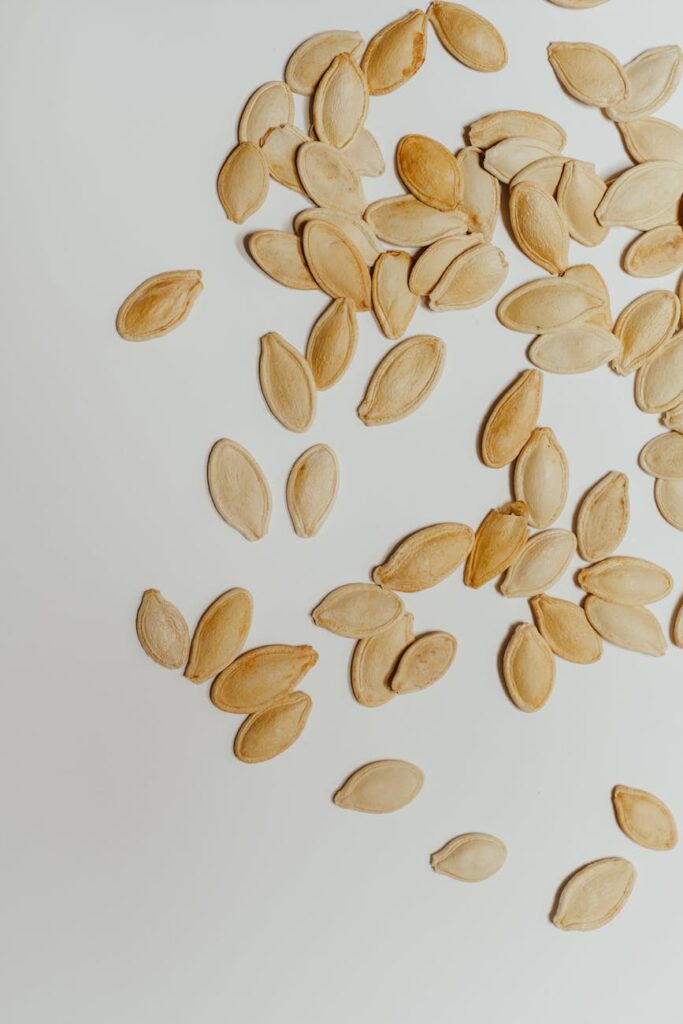
History and Origins of Botanical Ingredients – Pumpkin Seed Oil
Introduction
Pumpkin seed oil, derived from the seeds of the pumpkin (Cucurbita pepo), has a rich history and a variety of applications that span culinary, cosmetic, and therapeutic uses. This oil is not only celebrated for its unique flavor and nutritional profile but also for its potential benefits in skin care and aromatherapy. Understanding the origins and historical significance of pumpkin seed oil can provide valuable insights into its uses and properties in contemporary practices.
What Is Botanical Ingredient – Pumpkin Seed Oil?
Pumpkin seed oil is cold-pressed from the seeds of the pumpkin plant, which is native to North America but has spread globally. The oil is characterized by its dark green to reddish-brown color and its nutty, earthy flavor. Rich in essential fatty acids, antioxidants, and vitamins, pumpkin seed oil has garnered attention for its diverse applications.
Composition
The oil is primarily composed of:
- Fatty Acids: Predominantly unsaturated fatty acids, including oleic acid (omega-9) and linoleic acid (omega-6).
- Vitamins: High in vitamin E, which acts as a powerful antioxidant, as well as vitamins A and K.
- Minerals: Contains important minerals like zinc, magnesium, and iron.
- Phytosterols: Plant compounds that may contribute to various health benefits.
- Antioxidant Properties: The presence of vitamin E and other antioxidants helps combat oxidative stress in the body.
- Nourishing Skin: Rich in essential fatty acids and vitamins, the oil can help maintain skin hydration and elasticity.
- Hair Health: The oil is often used in hair care products due to its nourishing properties, promoting shine and reducing hair loss.
- Anti-inflammatory Effects: Some studies suggest that pumpkin seed oil may have anti-inflammatory properties, which can be beneficial for skin conditions.
- Salad Dressings: Its nutty flavor enhances the taste of salads.
- Cooking and Baking: While it can be used for cooking, it is often recommended for drizzling over dishes rather than heat application to preserve its nutritional properties.
- Condiments: It can be added to dips and spreads for an enriched flavor.
- Moisturizers and Creams: Its hydrating properties make it effective in skin-care formulations.
- Hair Care Products: Used in shampoos and conditioners, it helps nourish and strengthen hair.
- Soaps and Body Washes: The oil is used for its moisturizing and soothing properties.
- Massage Oil: When blended with essential oils, it can be used for massage, providing both relaxation and skin benefits.
- Skin Treatments: It can serve as a base for topical applications, allowing for the absorption of essential oils while providing additional nutrition to the skin.
- Allergies: Individuals with allergies to pumpkin or related plants should avoid using pumpkin seed oil.
- Pregnancy and Breastfeeding: While there are no known risks, it is advisable to consult with a healthcare professional before use during pregnancy or breastfeeding.
- Skin Sensitivity: As with any oil, it is recommended to conduct a patch test before applying pumpkin seed oil to larger areas of the skin.
- Storage Conditions: Keep the oil in a cool, dark place, preferably in a dark glass container to protect it from light and heat, which can degrade its quality.
- Shelf Life: When stored properly, pumpkin seed oil typically has a shelf life of about 6 to 12 months. Always check for changes in smell or appearance, which may indicate rancidity.
Key Benefits and Properties
Pumpkin seed oil is known for its numerous properties that make it a valuable botanical ingredient. Some of its key benefits include:
Common Uses
Pumpkin seed oil has a variety of uses across different domains:
Culinary Uses
In culinary applications, pumpkin seed oil is prized for its rich flavor. It can be used in:
Cosmetic Uses
In the realm of cosmetics, pumpkin seed oil is often found in:
Aromatherapy Applications
Aromatherapy focuses on the therapeutic effects of essential oils and botanical ingredients. While pumpkin seed oil is not an essential oil, it can be used as a carrier oil in aromatherapy practices.
Blending with Essential Oils
Pumpkin seed oil can be combined with essential oils such as lavender, tea tree, or rosemary for various applications:
Aromatic Qualities
Although pumpkin seed oil does not have a strong aroma, its subtle nutty scent can complement the fragrances of essential oils, enhancing the overall sensory experience in aromatherapy.
Safety Considerations
Pumpkin seed oil is generally considered safe for most people when used topically or consumed in moderation as part of a balanced diet. However, there are some considerations to keep in mind:
Storage and Shelf Life
To maintain the quality and extend the shelf life of pumpkin seed oil, proper storage is essential:
Frequently Asked Questions
1. Can pumpkin seed oil be used for cooking?
Yes, pumpkin seed oil can be used in cooking, but due to its low smoke point, it is better suited for drizzling over dishes or using in salad dressings rather than high-heat cooking.
2. Is pumpkin seed oil suitable for all skin types?
Pumpkin seed oil is generally suitable for most skin types, including dry and sensitive skin. However, individuals with known allergies should exercise caution.
3. How can I incorporate pumpkin seed oil into my diet?
Pumpkin seed oil can be added to salads, used as a finishing oil on soups, or drizzled over roasted vegetables to enhance flavor.
4. Does pumpkin seed oil have a strong scent?
Pumpkin seed oil has a subtle, nutty aroma that is mild and can complement other essential oils when blended.
5. Can pumpkin seed oil help with hair loss?
While many people use pumpkin seed oil for hair health due to its nourishing properties, scientific evidence supporting its effectiveness for hair loss is limited.
Conclusion
The rich history and versatile applications of pumpkin seed oil make it a fascinating subject of study within the realm of botanical ingredients. Its nutritional benefits, combined with its use in culinary and cosmetic practices, illustrate its importance in various cultures and traditions. As interest in natural and holistic approaches to health and wellness continues to grow, pumpkin seed oil stands out as a valuable ingredient worthy of exploration and appreciation.