
History and Origins of Botanical Ingredients – Rosehip Oil
Introduction
Rosehip oil, derived from the seeds of the wild rose bush (Rosa canina), is a remarkable botanical ingredient celebrated for its numerous benefits in skincare and wellness. Known for its rich nutritional profile, rosehip oil has been used for centuries across various cultures for its therapeutic and cosmetic properties. This article explores the history and origins of rosehip oil, its key benefits, common uses, applications in aromatherapy, safety considerations, and storage recommendations.
What Is Botanical Ingredients – Rosehip Oil?
Rosehip oil is obtained by cold pressing the seeds of the rosehip fruit, which is the small, round, and often red-orange fruit that remains after the rose flower has bloomed and lost its petals. The oil is rich in essential fatty acids, antioxidants, and vitamins, making it a highly sought-after ingredient in the beauty and wellness industries.
The oil’s chemical composition includes linoleic acid (omega-6), alpha-linolenic acid (omega-3), and oleic acid (omega-9), along with vitamins A, C, and E. These components contribute to its nourishing and revitalizing properties, making rosehip oil a popular choice for various formulations, from moisturizers to serums.
Key Benefits and Properties
Rosehip oil is renowned for its multitude of skin benefits, which can be attributed to its unique chemical composition. Some of the most notable properties include:
1. Moisturizing
The essential fatty acids in rosehip oil help to restore the skin’s natural barrier, locking in moisture and preventing dryness. Its lightweight texture allows for easy absorption, making it suitable for all skin types, including oily and combination skin.
2. Anti-Aging
Rich in antioxidants, particularly vitamin C, rosehip oil helps neutralize free radicals, which can contribute to skin aging. Regular use may improve the appearance of fine lines, wrinkles, and overall skin texture, promoting a youthful glow.
3. Scar Reduction
The oil is often used for its potential ability to diminish the appearance of scars, including acne scars and stretch marks. The combination of vitamins A and C can stimulate collagen production, aiding in skin regeneration.
4. Soothing Properties
Rosehip oil possesses anti-inflammatory properties that can help soothe irritated skin, making it beneficial for conditions such as eczema and rosacea. Its gentle formulation is ideal for sensitive skin.
5. Brightening
The presence of vitamin C can help brighten the skin, even out skin tone, and reduce hyperpigmentation, providing a more radiant complexion.
Common Uses
Rosehip oil has become a staple in various beauty and wellness applications due to its versatility. Some common uses include:
- Facial Oils and Serums: Integrated into skincare routines, rosehip oil can be used alone or blended with other oils and ingredients to enhance moisturization and nourishment.
- Body Oils: Its moisturizing properties make it suitable for use on the body, helping to soften rough patches and improve overall skin texture.
- Hair Treatments: Rosehip oil is sometimes used in hair care products to promote shine, hydration, and manageability, making it an excellent option for dry or damaged hair.
- Massage Oils: Its smooth texture and skin-nourishing qualities make rosehip oil a popular choice for massage blends.
- Relaxation Blend: Combining rosehip oil with lavender and chamomile can create a soothing blend ideal for relaxation and stress relief.
- Uplifting Blend: Mixing rosehip oil with citrus essential oils, such as bergamot or sweet orange, can yield an uplifting aroma that enhances mood and energy.
- Patch Test: As with any new product, perform a patch test before applying rosehip oil to a larger area of the skin to check for any allergic reactions or sensitivities.
- Pregnancy and Nursing: Although rosehip oil is natural, it is advisable for pregnant or nursing individuals to consult with a healthcare professional before use.
- Avoid Contact with Eyes: Like many oils, rosehip oil should be kept away from the eyes to prevent irritation.
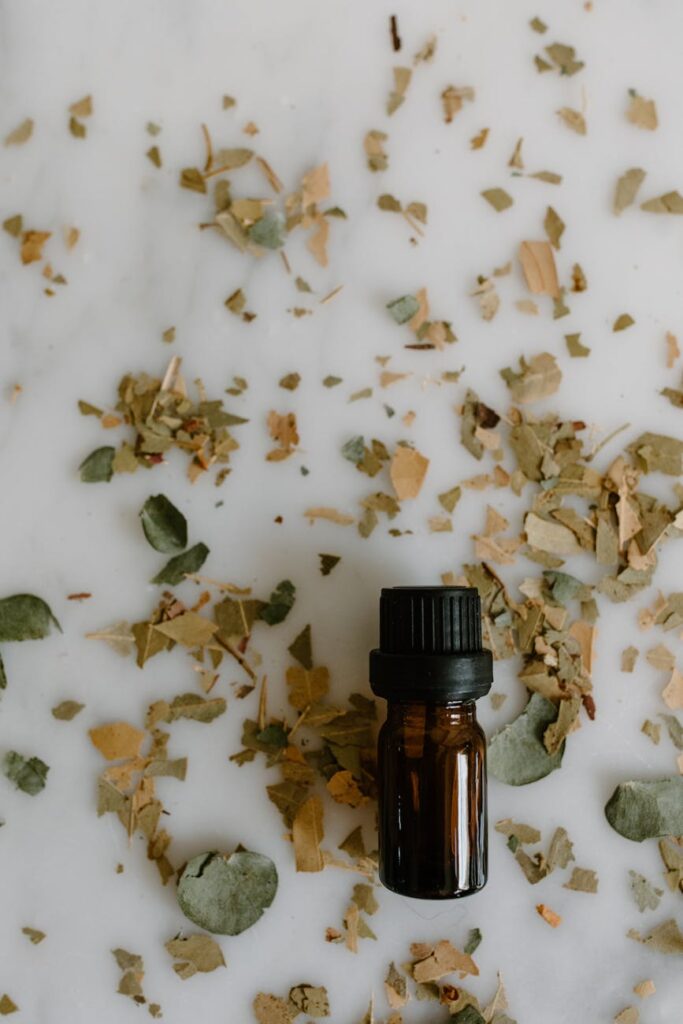
- Storage Conditions: Store rosehip oil in a cool, dark place, away from direct sunlight and heat. Using dark glass bottles can help protect the oil from light exposure.
- Shelf Life: When stored correctly, rosehip oil typically has a shelf life of 6 to 12 months. It is advisable to check for any changes in smell, color, or consistency before use, as these may indicate rancidity.
Aromatherapy Applications
In aromatherapy, rosehip oil is often combined with other essential oils to create blends that promote relaxation, balance, and overall well-being. While rosehip oil itself does not have a strong aroma, it serves as an excellent carrier oil for essential oils, allowing for easy application on the skin.
Popular Blends:
Safety Considerations
While rosehip oil is generally considered safe for topical use, it is essential to keep the following safety considerations in mind:
Storage and Shelf Life
To maintain the quality and effectiveness of rosehip oil, proper storage is crucial:
Frequently Asked Questions
1. How do I incorporate rosehip oil into my skincare routine?
Rosehip oil can be used as a standalone facial oil or mixed with other products. Apply a few drops to clean, damp skin after cleansing and toning, or mix it with your favorite moisturizer or serum.
2. Can rosehip oil be used on all skin types?
Yes, rosehip oil is suitable for all skin types, including oily, dry, and sensitive skin. Its lightweight texture makes it easy to absorb without feeling greasy.
3. Is rosehip oil comedogenic?
Rosehip oil has a low comedogenic rating, which means it is unlikely to clog pores. However, individual reactions may vary, so it is always advisable to perform a patch test first.
4. Can I use rosehip oil on my hair?
Yes, rosehip oil can be used on hair to provide moisture and shine. It is often added to hair care products or applied directly to the ends of the hair.
5. Where can I find high-quality rosehip oil?
Look for cold-pressed, organic rosehip oil from reputable suppliers. Check the product label for purity and ensure it is stored in protective packaging to maintain quality.
Conclusion
Rosehip oil stands as a testament to the richness of botanical ingredients, offering a plethora of benefits for skin and hair care. Its historical roots, combined with modern applications, make it a cherished component in wellness and beauty formulations. As interest in natural remedies continues to grow, rosehip oil remains a valuable ingredient that embodies the essence of nature’s healing power. Whether used for moisturizing, anti-aging, or soothing properties, rosehip oil’s versatility ensures it will remain a staple in holistic health practices for years to come.