
History and Origins of Botanical Ingredients – Sea Moss Oil
Introduction
The world of botanical ingredients is rich and diverse, encompassing a wide array of plants and their derivatives utilized for therapeutic, culinary, and cosmetic purposes. Among these, sea moss oil has gained popularity due to its versatile applications and beneficial properties. This article delves into the history and origins of sea moss oil, exploring its botanical roots, benefits, uses, and safety considerations.
What Is Botanical Ingredients – Sea Moss Oil?
Sea moss, scientifically known as Chondrus crispus, is a species of red algae found predominantly along the Atlantic coasts of Europe and North America. Often referred to as Irish moss, this marine plant has been utilized for centuries in various cultures for its nutritional and health-promoting properties.
Sea moss oil is derived from the extraction of the beneficial compounds found in these algae. The oil is often infused with other carrier oils, enhancing its usability in various applications. Rich in vitamins, minerals, and antioxidants, sea moss oil has become an essential ingredient in skincare and aromatherapy.
Key Benefits and Properties
Sea moss oil is lauded for its numerous benefits, which can be attributed to its rich chemical composition. Some of the key benefits and properties include:
Nutrient-Rich Composition
Sea moss is packed with essential nutrients, including vitamins A, C, E, and K, as well as minerals such as iodine, calcium, magnesium, and zinc. These nutrients contribute to its health benefits and make it a popular choice in cosmetic formulations.
Antioxidant Properties
The presence of antioxidants in sea moss oil helps combat oxidative stress in the body. This action protects cells from damage caused by free radicals, which is a contributing factor to premature aging and various chronic diseases.
Hydrating and Moisturizing Effects
Sea moss oil is known for its hydrating properties, making it a valuable ingredient in skincare products. It helps retain moisture in the skin, promoting a healthy and radiant appearance.
Anti-Inflammatory Qualities
The anti-inflammatory properties of sea moss oil may help alleviate skin conditions such as eczema and psoriasis, providing soothing relief to irritated skin.
Potential Thyroid Support
Rich in iodine, sea moss oil is believed to support healthy thyroid function, though individual responses may vary.
Common Uses
Sea moss oil has a broad range of applications, making it a versatile ingredient in both culinary and cosmetic fields.
Skincare
One of the most common uses of sea moss oil is in skincare products. Its hydrating properties make it an excellent addition to lotions, creams, and serums. The oil can help soothe dry, irritated skin and improve overall skin texture.
Hair Care
The nourishing properties of sea moss oil also extend to hair care. It can be used in shampoos and conditioners to promote healthy hair and scalp, adding moisture and shine.
Culinary Applications
While sea moss oil is primarily known for its external uses, some culinary enthusiasts incorporate it into their diets for its potential health benefits. It can be added to smoothies or used as a dressing in salads.
Bath Products
Sea moss oil is often found in bath oils and products, enhancing the bathing experience with its soothing and hydrating properties.
Aromatherapy Applications
In the realm of aromatherapy, sea moss oil can be used in various ways:
Diffusion
When used in a diffuser, sea moss oil can create a calming atmosphere, promoting relaxation and tranquility. Its unique scent, often described as fresh and oceanic, can enhance the ambiance of any space.
Massage
Sea moss oil can be blended with carrier oils for use in massage therapy. Its moisturizing properties make it an excellent choice for a soothing massage experience, providing hydration while promoting relaxation.
Skin Application
Incorporating sea moss oil into skincare routines can enhance the benefits of aromatherapy. Its calming scent, combined with its skin-loving properties, contributes to an overall sense of well-being.
Safety Considerations
While sea moss oil is generally considered safe for topical use, it is essential to follow certain safety guidelines:
Patch Test
Before applying sea moss oil to larger areas of the skin, conduct a patch test to check for any allergic reactions. Apply a small amount of the oil to an inconspicuous area and observe for 24 hours.
Avoiding Internal Use
While sea moss is consumed in various forms, sea moss oil is primarily intended for external use. Consult with a healthcare provider before considering its internal use, especially if you have underlying health conditions or are pregnant.
Quality of Product
Ensure that you purchase high-quality sea moss oil from reputable sources. Look for products that are organic, cold-pressed, and free from additives or synthetic ingredients.
Storage and Shelf Life
Proper storage of sea moss oil is crucial to maintaining its quality and efficacy. Here are some best practices:
Storage Conditions
Store sea moss oil in a cool, dark place away from direct sunlight. Exposure to light and heat can degrade the oil and diminish its beneficial properties.
Container Type
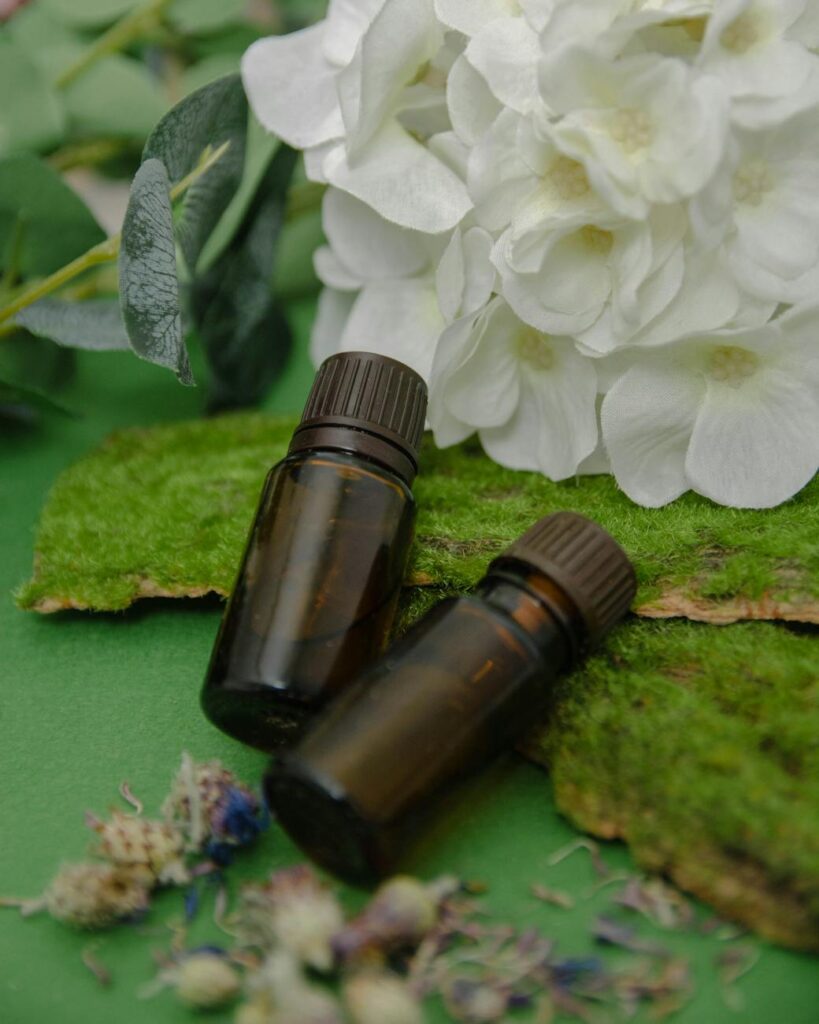
Choose dark glass containers for storage, as they protect the oil from light exposure. Ensure that the container is tightly sealed to prevent oxidation.
Shelf Life
When stored properly, sea moss oil can last for up to one year. However, always check for signs of rancidity or changes in smell before use.
Frequently Asked Questions
1. What is the difference between sea moss and sea moss oil?
Sea moss refers to the raw seaweed, while sea moss oil is an extracted or infused oil that contains the beneficial properties of the seaweed in a concentrated form.
2. Can I use sea moss oil on sensitive skin?
Sea moss oil is generally considered gentle, but individuals with sensitive skin should conduct a patch test to check for any adverse reactions.
3. Is sea moss oil suitable for all skin types?
Yes, sea moss oil is suitable for various skin types, including dry, oily, and combination skin. Its hydrating properties make it particularly beneficial for dry skin.
4. How can I incorporate sea moss oil into my skincare routine?
Sea moss oil can be added to your existing skincare products or used alone as a moisturizer. It can also be blended with other essential oils for added benefits.
5. Where can I buy sea moss oil?
You can find sea moss oil at health food stores, specialty shops, or online retailers. Always choose products from reputable brands to ensure quality.
Conclusion
Sea moss oil is a remarkable botanical ingredient with a rich history and a wide range of benefits. From its nutrient-dense composition to its versatile applications in skincare and aromatherapy, it stands out as a valuable addition to both personal care routines and culinary practices. As interest in natural and holistic products continues to grow, sea moss oil is poised to remain a cherished element in the realm of botanical ingredients.