
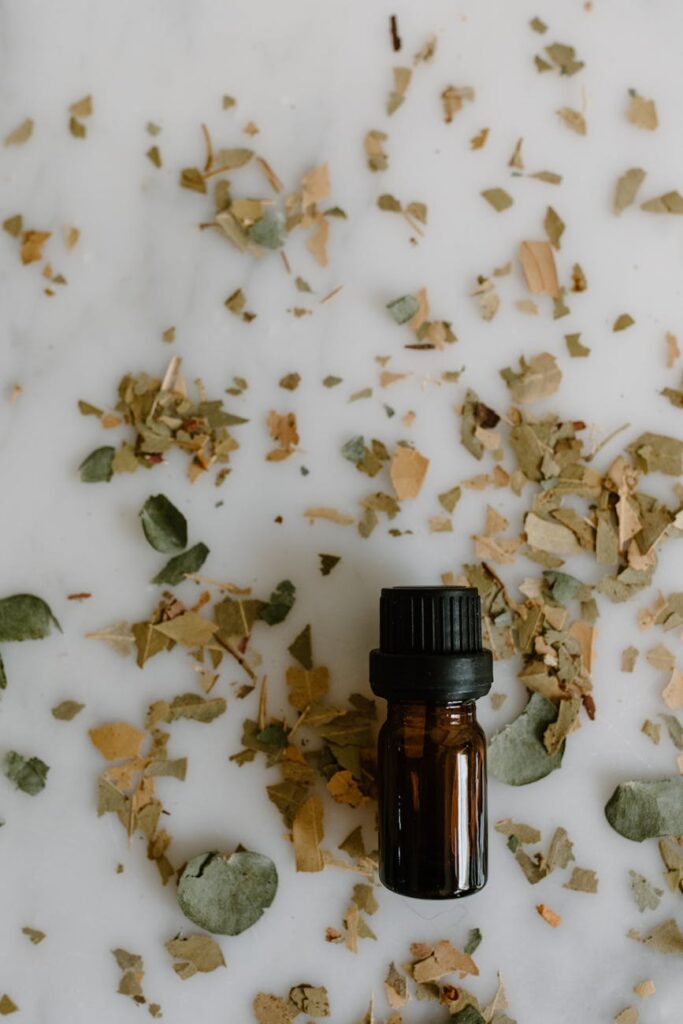
History and Origins of Burdock Root Extract
Introduction
Burdock root, scientifically known as Arctium lappa, is a biennial plant belonging to the Asteraceae family. It is native to Europe and Asia but has since spread to various regions around the globe, including North America. This versatile plant has a rich history steeped in traditional medicine, culinary uses, and even folklore. The extract derived from its roots is celebrated for its unique properties and applications, particularly in herbalism and aromatherapy. This article explores the history and origins of burdock root extract, shedding light on its significance in various cultures and its place in modern practices.
What Is Burdock Root Extract?
Burdock root is characterized by its large, broad leaves and thistle-like flowers. The extract is obtained primarily from the taproot of the plant, which can be harvested during the spring or fall of its second year of growth. The root is typically brown on the outside and pale yellow to white on the inside. It is known for its earthy flavor and is often used in culinary dishes in East Asian cuisine.
The extract is rich in phytochemicals, including antioxidants, vitamins, and minerals. It is often processed into various forms, such as tinctures, oils, and powders, making it versatile for use in both traditional and contemporary applications.
Key Benefits and Properties
Burdock root extract is lauded for its array of beneficial properties. Some of the key components contributing to its reputation include:
- Antioxidant Properties: Burdock root contains several antioxidants, such as quercetin, luteolin, and phenolic acids. These compounds help neutralize free radicals in the body, potentially reducing oxidative stress and supporting overall well-being.
- Anti-Inflammatory Qualities: The extract may exhibit anti-inflammatory effects, which can be beneficial for various conditions involving inflammation.
- Detoxification: Traditionally, burdock root has been employed as a natural detoxifying agent, thought to support liver function and promote the elimination of toxins from the body.
- Nutritional Content: Burdock root is a source of vitamins (such as vitamin C and several B vitamins), minerals (including potassium, magnesium, and iron), and dietary fiber. This nutrient profile contributes to its health-promoting reputation.
- Allergic Reactions: People who are allergic to plants in the Asteraceae family, such as ragweed or daisies, may experience allergic reactions to burdock root. It is advisable to conduct a patch test before using products containing the extract.
- Pregnancy and Nursing: Limited research is available regarding the safety of burdock root extract during pregnancy and lactation. Therefore, it is recommended that pregnant or nursing individuals consult a healthcare professional before use.
- Drug Interactions: Burdock root may interact with certain medications, especially those affecting blood sugar levels and anticoagulants. Always consult with a healthcare provider if you are on medication and considering using burdock root extract.
- Dark and Cool Environment: Store the extract in a cool, dark place away from direct sunlight and heat sources. This helps to preserve its chemical properties.
- Sealed Containers: Ensure that the extract is kept in airtight containers to prevent contamination and degradation.
- Expiration Dates: Most commercially prepared burdock root extracts will have an expiration date. It is advisable to adhere to this date for optimal quality.
Common Uses
Burdock root extract has a plethora of applications across different domains:
Culinary Uses
In culinary traditions, especially in Japanese cuisine, burdock root is known as “gobo” and is commonly used in stir-fries, soups, and salads. It is prized for its crunchy texture and earthy flavor.
Traditional Medicine
Historically, burdock root has been used in traditional medicine systems such as Traditional Chinese Medicine (TCM) and Ayurveda. It was often employed to address skin conditions, digestive issues, and other ailments, though its use was more anecdotal than scientifically validated.
Herbal Supplements
Today, burdock root extract is available in various forms, including capsules, teas, and tinctures. It is often marketed as a natural supplement for its purported health benefits.
Cosmetic Applications
Due to its antioxidant and anti-inflammatory properties, burdock root extract is also used in cosmetic formulations. It can be found in skincare products, where it is believed to soothe the skin and improve complexion.
Aromatherapy Applications
In aromatherapy, burdock root extract is less commonly used than some other essential oils, but it still plays a role in holistic practices. Its earthy scent can be grounding and calming, making it a valuable addition to blends aimed at promoting relaxation and emotional balance.
When combined with other essential oils, such as lavender or bergamot, burdock root extract can enhance the therapeutic effects of the blend. Some practitioners use it in massage oils or as a diffuser blend to create a soothing environment.
Safety Considerations
While burdock root extract is generally considered safe for most individuals, there are a few important considerations to keep in mind:
Storage and Shelf Life
To maintain the quality and efficacy of burdock root extract, proper storage is essential:
Frequently Asked Questions
1. Is burdock root extract safe for everyone?
While generally safe for most individuals, people with allergies to Asteraceae plants should exercise caution. Pregnant or nursing individuals should consult a healthcare professional before use.
2. Can I consume burdock root extract?
Yes, burdock root extract can be consumed in various forms, including teas and capsules. However, it is advisable to follow recommended dosages and consult with a healthcare provider if you have any health concerns.
3. Can burdock root extract be used topically?
Yes, burdock root extract is often used in cosmetic products for its potential benefits to the skin. It can be applied topically in creams, lotions, or oils.
4. How does burdock root extract benefit skin health?
Burdock root extract is believed to have anti-inflammatory and antioxidant properties, which may help soothe the skin, reduce irritation, and improve overall complexion.
5. Where can I find burdock root extract?
Burdock root extract is available in health food stores, specialty herbal shops, and online retailers. It can be found in various forms, including liquid extracts, capsules, and dried root for teas.
Conclusion
Burdock root extract, with its rich history and diverse applications, continues to be valued for its potential benefits in culinary, medicinal, and cosmetic fields. As interest in herbal remedies and natural products grows, understanding the origins and properties of burdock root enhances its appreciation in contemporary wellness practices. Whether used in cooking, supplements, or aromatherapy, burdock root extract remains a fascinating subject for exploration in the realm of essential oils and herbal traditions.