
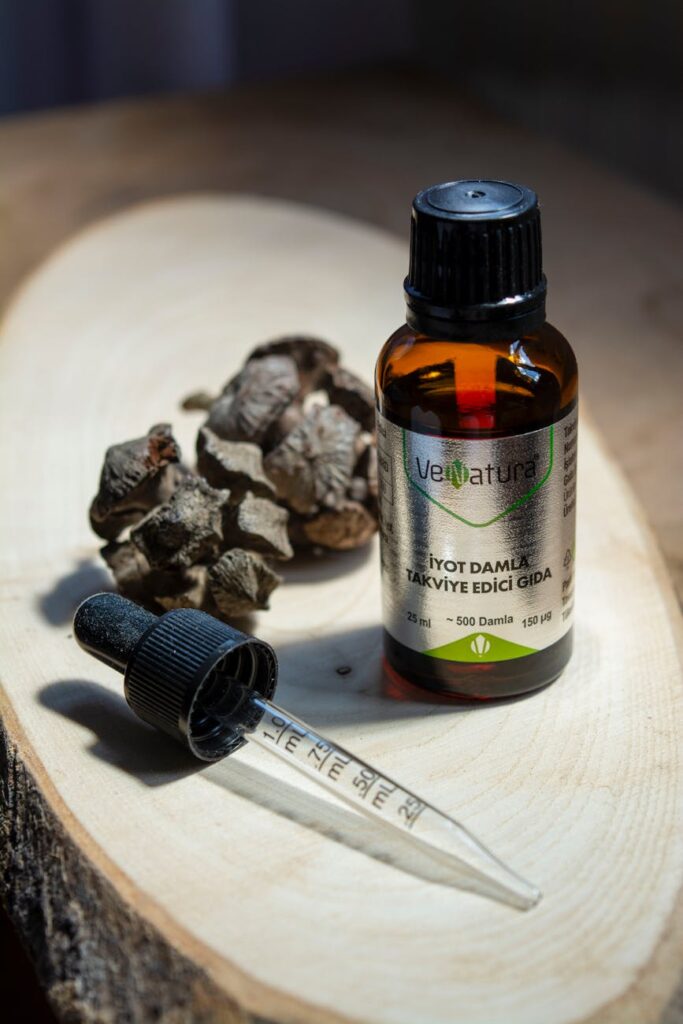
History and Origins of Camellia Oil
Introduction
Camellia oil, derived from the seeds of various species of the Camellia plant, has a rich history that intertwines with cultural practices, traditional medicine, and culinary uses. Known for its high-quality fatty acids and cosmetic properties, this oil has been cherished for centuries, particularly in East Asia. This article explores the origins, uses, and benefits of camellia oil, shedding light on its significance in both historical and contemporary contexts.
What Is Camellia Oil?
Camellia oil is extracted from the seeds of the Camellia plant, which belongs to the family Theaceae. The most commonly used species for oil production include Camellia oleifera, Camellia japonica, and Camellia sinensis. The oil is characterized by its light, non-greasy texture, pale yellow color, and delicate flavor, making it a versatile ingredient in various applications.
Camellia oil is rich in oleic acid, a monounsaturated fatty acid that constitutes about 80% of its composition. This high oleic acid content contributes to its stability and health benefits. Additionally, camellia oil contains antioxidants, vitamins A, B, and E, and phytosterols, which further enhance its value in skincare and culinary uses.
Key Benefits and Properties
1. Moisturizing and Nutrient-Rich: Camellia oil is renowned for its moisturizing properties, making it an excellent choice for skin and hair care. Its lightweight nature allows for easy absorption, providing hydration without clogging pores.
2. Antioxidant Properties: The oil is rich in antioxidants, which help combat oxidative stress and damage caused by free radicals. This property supports skin health and may contribute to a more youthful appearance.
3. Anti-Inflammatory Effects: Some studies suggest that camellia oil may possess anti-inflammatory properties, making it beneficial for soothing irritated skin and reducing redness.
4. Hair Care Benefits: Camellia oil is often used in hair care products due to its ability to nourish and strengthen hair. It can help reduce frizz, enhance shine, and promote overall hair health.
5. Culinary Uses: In addition to its cosmetic applications, camellia oil is a popular cooking oil in various Asian cuisines. Its mild flavor and high smoke point make it suitable for frying, sautéing, and salad dressings.
Common Uses
Culinary Applications
In Asian cultures, especially in China and Japan, camellia oil has been used for centuries in cooking. It is prized for its light flavor and is often used in stir-fries, marinades, and dressings. The oil is also noted for its health benefits, including its potential to lower cholesterol levels due to its high content of monounsaturated fats.
Skincare
Camellia oil is a notable ingredient in many skincare products, including moisturizers, serums, and cleansers. Its emollient properties help to soften and hydrate the skin, making it ideal for dry or sensitive skin types. Additionally, its antioxidant content supports skin repair and regeneration.
Hair Care
In hair care, camellia oil is frequently used in conditioners, masks, and serums. Its ability to penetrate the hair shaft makes it effective for reducing split ends and enhancing shine. Many people use it as a pre-shampoo treatment or as a finishing oil to tame frizz.
Aromatherapy Applications
Although camellia oil is not a traditional essential oil used in aromatherapy, it can still play a role in holistic practices. When blended with essential oils, it serves as a carrier oil, enabling the safe application of potent essential oils onto the skin. Its neutral scent and beneficial properties make it an excellent choice for diluting essential oils like lavender, tea tree, or eucalyptus.
In aromatherapy, camellia oil can be utilized in massage oils, promoting relaxation and skin hydration simultaneously. The oil’s soothing qualities may enhance the overall experience by providing a calming effect on both the skin and mind.
Safety Considerations
Camellia oil is generally considered safe for topical and culinary use. However, as with any oil, it is essential to conduct a patch test before applying it to the skin to check for any allergic reactions. Individuals with nut allergies should also exercise caution, as some camellia species may cross-react with certain nut allergies.
When using camellia oil for cooking, it is important to ensure that the oil is refined and food-grade to avoid any potential contaminants. Pregnant and nursing women should consult with a healthcare professional before incorporating new oils into their diets or skincare routines.
Storage and Shelf Life
To ensure the longevity and quality of camellia oil, proper storage is essential. The oil should be kept in a cool, dark place, away from direct sunlight and heat sources. Glass containers with airtight seals are preferable, as they help prevent oxidation and maintain the oil’s freshness.
The shelf life of camellia oil can vary depending on the extraction method and storage conditions, but it typically lasts for about 12 to 18 months. Regularly checking the oil for changes in smell, color, or consistency can help determine whether it has gone rancid.
Frequently Asked Questions
1. What is the difference between Camellia oleifera and Camellia japonica oil?
Camellia oleifera is primarily used for culinary purposes and is known for its higher oleic acid content. In contrast, Camellia japonica is often used in cosmetics and skincare due to its rich nutrient profile and moisturizing properties.
2. Can camellia oil be used on all skin types?
Yes, camellia oil is suitable for various skin types, including dry, oily, and sensitive skin. Its lightweight and non-comedogenic nature makes it a versatile option for many individuals.
3. Is camellia oil safe for cooking?
Yes, camellia oil is safe for culinary use. However, it is essential to use food-grade, refined oil to avoid potential contaminants.
4. Can I use camellia oil as a carrier oil for essential oils?
Yes, camellia oil can be used as a carrier oil for diluting essential oils. Its neutral scent and beneficial properties make it an excellent option for topical applications.
5. How can I incorporate camellia oil into my skincare routine?
Camellia oil can be used as a moisturizer, added to your favorite skincare products, or applied directly to the skin. It can also be mixed with essential oils for enhanced benefits.
Conclusion
Camellia oil is a remarkable natural product with a rich history and diverse applications. From its culinary uses in Asian cuisines to its nourishing properties in skincare and hair care, camellia oil continues to be a valued asset across cultures. As interest in natural and holistic practices grows, understanding the origins and benefits of camellia oil allows for its thoughtful incorporation into modern lifestyles. Whether used for cooking, skincare, or aromatherapy, camellia oil stands as a testament to the enduring connection between nature and well-being.