
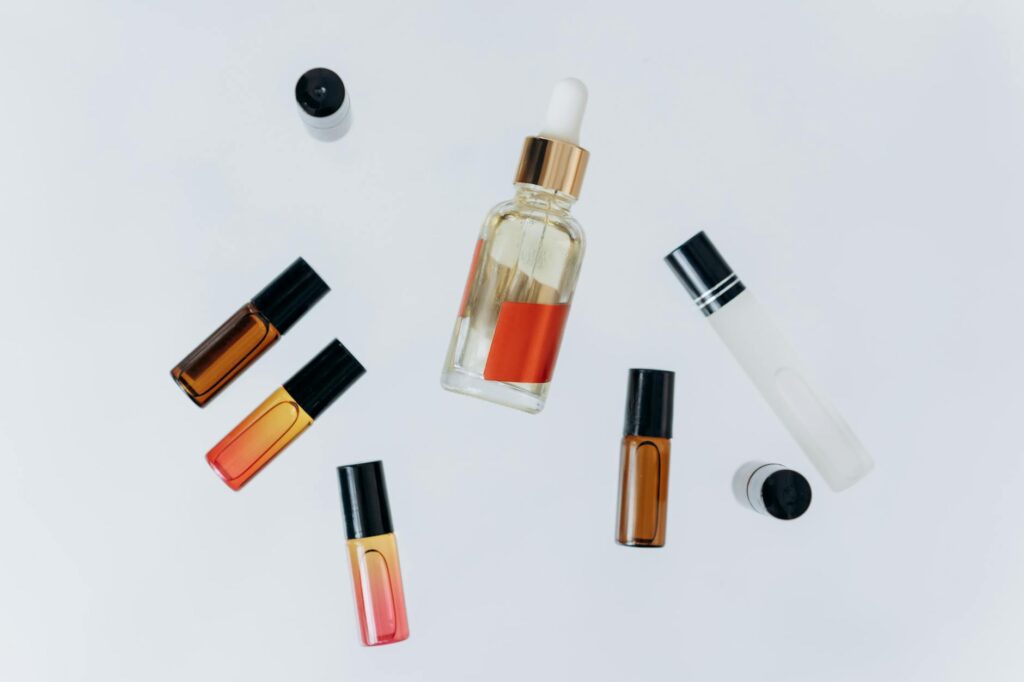
History and Origins of Carrier Oils
Introduction
Carrier oils have played a pivotal role in the world of aromatherapy and natural skincare for centuries. These oils, derived from various plants, serve as the base for essential oils and other botanical extracts, facilitating their use and enhancing their efficacy. Understanding the history and origins of carrier oils not only enriches our appreciation of these valuable substances but also illuminates their significance in both traditional and modern practices.
What Are Carrier Oils?
Carrier oils, also known as base oils or vegetable oils, are derived from the fatty portions of plants, typically extracted from seeds, nuts, or kernels. Unlike essential oils, which are highly concentrated and aromatic, carrier oils possess a neutral scent and are used primarily to dilute essential oils, making them safe for topical application. They are rich in fatty acids, vitamins, and antioxidants, providing nourishment to the skin while helping to facilitate the absorption of essential oils.
Key Benefits and Properties
Carrier oils possess a range of benefits and properties that make them essential in aromatherapy and skincare:
- Moisturizing: Many carrier oils are emollient, meaning they help to soften and smooth the skin, making them ideal for hydrating dry or sensitive skin types.
- Nutrient-Rich: Many carrier oils contain essential fatty acids, vitamins (such as Vitamin E), and antioxidants that can promote skin health and vitality.
- Neutral Scent: Unlike essential oils, carrier oils generally have a mild or neutral aroma, allowing them to blend seamlessly with the strong fragrances of essential oils without overpowering them.
- Versatile: Carrier oils can be used for various applications, from massage therapy to skincare formulations, making them a fundamental component in holistic health practices.
- Massage: Often used in therapeutic massages, carrier oils provide slip and glide, enhancing the massage experience while delivering beneficial nutrients to the skin.
- Skincare: Many skincare formulations, including lotions, creams, and serums, utilize carrier oils for their nourishing properties. They help to improve skin texture, elasticity, and hydration.
- Essential Oil Dilution: When using essential oils topically, they must be diluted with a carrier oil to prevent skin irritation. The dilution ratio can vary depending on the essential oil and the intended use.
- Hair Care: Some carrier oils, such as jojoba and argan oil, are popular for hair care. They help to moisturize and condition hair, promoting shine and reducing frizz.
- Diffusion: While essential oils are primarily used in diffusion, when blended with carrier oils, they can also be used in oil burners or diffusers.
- Baths: Adding carrier oils to bathwater can enhance the experience, providing both aromatherapy benefits and skin hydration.
- Topical Applications: Carrier oils are used in creating balms, salves, and creams that deliver the therapeutic benefits of essential oils directly to the skin.
- Cosmetic Formulations: Many cosmetic companies incorporate carrier oils into their products for their skin-loving properties, resulting in a more nourishing and effective formulation.
- Allergic Reactions: Individuals should perform a patch test before using a new carrier oil to check for potential allergic reactions. Applying a small amount to the inner elbow and waiting 24 hours can help determine skin sensitivity.
- Quality Matters: It’s essential to select high-quality, cold-pressed, and unrefined carrier oils whenever possible, as these retain the most beneficial properties.
- Essential Oil Dilution: Essential oils should always be diluted in carrier oils before topical application. The recommended dilution ratio varies based on the specific essential oil and the individual’s skin sensitivity.
- Pregnancy and Nursing: Pregnant or nursing individuals should consult a healthcare professional before using certain carrier oils or essential oils, as some may not be advisable during these times.
- Cool, Dark Place: Carrier oils should be stored in a cool, dark place away from direct sunlight and heat, as exposure can cause them to oxidize and spoil.
- Glass Containers: Amber or cobalt glass bottles are preferred for storage, as these materials protect oils from light exposure, helping to prolong shelf life.
- Refrigeration: Some carrier oils, particularly those high in polyunsaturated fats (such as flaxseed oil), may benefit from refrigeration to extend their shelf life.
- Expiration Dates: Carrier oils have varying shelf lives, often ranging from 6 months to 2 years. It’s important to check for any signs of rancidity, such as an off smell or change in appearance, before use.
Common Uses
Carrier oils have a wide array of applications, including:
Aromatherapy Applications
In aromatherapy, carrier oils serve as the medium through which essential oils are delivered to the body. They are used in various applications, including:
Safety Considerations
While carrier oils are generally considered safe for topical use, there are several important safety considerations to keep in mind:
Storage and Shelf Life
Proper storage of carrier oils is crucial for maintaining their quality and longevity. Here are some key points to consider:
Frequently Asked Questions
1. What is the difference between carrier oils and essential oils?
Carrier oils are derived from the fatty portions of plants and are used to dilute essential oils, while essential oils are concentrated extracts that capture the aromatic and therapeutic properties of plants. Carrier oils have a neutral scent and are safe for topical application, whereas essential oils are potent and must be diluted.
2. Can I use cooking oils as carrier oils?
While some cooking oils (like olive oil or coconut oil) can be used as carrier oils, they may not always be the best choice for skincare or aromatherapy due to their processing methods and potential for rancidity. It is generally recommended to use oils specifically labeled as carrier oils for these applications.
3. How do I choose the right carrier oil for my skin type?
Selecting the right carrier oil depends on your skin type and specific needs. For example, jojoba oil is excellent for oily skin, while coconut oil is suitable for dry skin. It’s advisable to research the properties of different carrier oils to find one that aligns with your individual requirements.
4. Are there any carrier oils to avoid?
While most carrier oils are safe for use, some individuals may have allergies or sensitivities to specific oils. For instance, people with nut allergies should avoid nut-based oils like almond oil. It’s always best to perform a patch test when trying a new oil.
5. Can carrier oils be used alone without essential oils?
Yes, carrier oils can be used independently as moisturizers or treatments for skin and hair. Many people enjoy the benefits of carrier oils on their own, especially for their nourishing properties.
Conclusion
The history and origins of carrier oils are deeply intertwined with human culture, tradition, and the natural world. These oils have been cherished for their versatile applications and nutritional benefits for centuries. As we continue to explore the realms of aromatherapy and natural skincare, understanding the role of carrier oils enhances our ability to use these resources effectively and mindfully. Whether for therapeutic purposes or simple self-care, carrier oils remain a timeless staple in holistic health practices.