
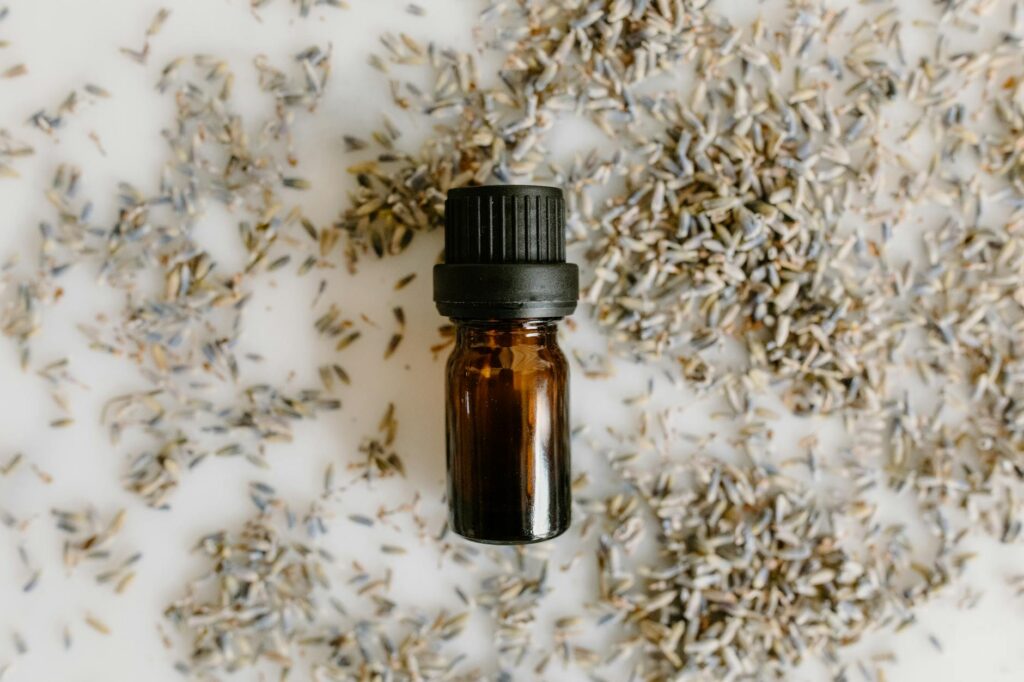
History and Origins of Carrot Seed Oil
Introduction
Carrot seed oil, derived from the seeds of the Daucus carota plant, has a rich history intertwined with traditional medicine and culinary practices. Renowned for its diverse applications in aromatherapy and skincare, this oil has gained popularity in modern holistic practices. Understanding its origins, benefits, and uses provides invaluable insights into this remarkable essential oil.
What Is Carrot Seed Oil?
Carrot seed oil is an essential oil extracted from the seeds of the wild carrot plant, commonly known as Queen Anne’s lace. The extraction process typically involves steam distillation, which isolates the aromatic compounds, yielding a pale yellow to amber oil with a sweet, earthy aroma. The oil contains various bioactive components, including carotol, alpha-pinene, and beta-carotene, contributing to its distinctive fragrance and therapeutic properties.
Historically, the wild carrot has been utilized since ancient times, with references found in texts from various cultures, including Greek and Roman civilizations. While commonly recognized for its culinary uses, the seeds of the plant have long been valued for their potential health benefits and aromatic qualities.
Key Benefits and Properties
Carrot seed oil boasts a range of beneficial properties that make it a sought-after ingredient in various applications. Some of its key attributes include:
1. Antioxidant Activity: The oil is rich in antioxidants, which can help combat oxidative stress in the body and protect cells from damage caused by free radicals.
2. Anti-inflammatory Effects: Carrot seed oil is often praised for its anti-inflammatory properties, which may help soothe irritated skin and promote healing.
3. Skin Regeneration: This oil is frequently used in skincare formulations due to its reputed ability to promote cell regeneration and rejuvenation, making it potentially beneficial for mature or damaged skin.
4. Moisturizing Properties: Carrot seed oil is known to hydrate and nourish the skin, making it an excellent addition to lotions and creams.
5. Antimicrobial Properties: Some studies suggest that carrot seed oil may possess antimicrobial qualities, which could help inhibit the growth of certain bacteria and fungi.
Common Uses
Carrot seed oil is versatile and can be found in a variety of applications, including:
- Skincare Products: Due to its skin-rejuvenating properties, it is commonly included in lotions, creams, and serums aimed at promoting healthy skin.
- Hair Care: The oil is sometimes used in hair care products to nourish the scalp, strengthen hair, and promote shine.
- Massage Oils: Carrot seed oil can be blended with carrier oils for use in massages, providing both relaxation and skin benefits.
- Aromatherapy Blends: The unique scent of carrot seed oil makes it a popular choice for essential oil blends, often combined with other oils to enhance their effects.
- Lavender: Known for its calming properties, lavender can enhance the soothing effects of carrot seed oil.
- Frankincense: This oil is often used for its grounding qualities, making it a perfect partner for carrot seed oil in meditation blends.
- Geranium: The floral notes of geranium can balance the earthy scent of carrot seed oil, creating a harmonious aroma.
- Skin Sensitivity: As with any essential oil, it is advisable to perform a patch test before using carrot seed oil on larger areas of the skin to check for allergic reactions or sensitivities.
- Pregnancy and Nursing: Pregnant or nursing individuals should consult with a qualified healthcare professional before using carrot seed oil.
- Dilution: Essential oils are potent and should always be diluted in a carrier oil before application to the skin to avoid irritation.
- Quality: The purity and quality of carrot seed oil can vary among different suppliers. It is essential to source oil from reputable manufacturers to ensure its efficacy and safety.
- Cool, Dark Place: Store carrot seed oil in a cool, dark place away from direct sunlight and heat, as these factors can degrade the oil over time.
- Tightly Sealed Containers: Keep the oil in tightly sealed containers to minimize exposure to air, which can lead to oxidation.
- Shelf Life: Generally, carrot seed oil has a shelf life of about 1 to 2 years when stored correctly. Regularly check for changes in aroma or consistency, which may indicate that the oil has gone rancid.
Aromatherapy Applications
In the realm of aromatherapy, carrot seed oil is valued for its grounding and calming properties. It is often used in diffusers and inhalers to create a tranquil atmosphere. The oil’s earthy aroma is believed to stimulate feelings of balance and stability, making it suitable for meditation and relaxation practices.
Blending with Other Oils
Carrot seed oil blends well with a variety of essential oils, enhancing its aromatic profile and therapeutic benefits. Some oils that complement carrot seed oil include:
Safety Considerations
While carrot seed oil is generally considered safe for topical use when diluted with carrier oils, some precautions should be observed:
Storage and Shelf Life
Proper storage of carrot seed oil is crucial for maintaining its integrity and potency. To ensure longevity, consider the following tips:
Frequently Asked Questions
1. How is carrot seed oil different from carrot oil?
Carrot seed oil is extracted from the seeds of the wild carrot plant, while carrot oil is often derived from the root of the carrot. The two oils have different properties and uses, with carrot seed oil being more commonly utilized in aromatherapy and skincare.
2. Can carrot seed oil be used during pregnancy?
It is advisable for pregnant individuals to consult with a qualified healthcare professional before using carrot seed oil or any essential oil, as some oils can be contraindicated during pregnancy.
3. Is carrot seed oil safe for children?
While carrot seed oil can be used in formulations for children, it is crucial to dilute it properly and consult a healthcare professional for guidance.
4. What are some effective ways to use carrot seed oil?
Carrot seed oil can be used in various ways, including adding a few drops to skincare products, blending it with a carrier oil for massage, or using it in a diffuser for aromatherapy.
5. How can I tell if my carrot seed oil has gone bad?
If the oil develops an off-putting smell, changes in color, or a thick, sticky consistency, it may have gone rancid and should be discarded.
Conclusion
Carrot seed oil is a multifaceted essential oil with a rich history and a wealth of benefits. From its origins in ancient herbal practices to its modern applications in skincare and aromatherapy, it continues to be a treasured oil in holistic health. Understanding its properties, uses, and safety considerations allows individuals to appreciate and incorporate this remarkable oil into their wellness routines. As with any essential oil, knowledge and caution are key to harnessing its full potential.