
History and Origins of Cat’s Claw Extract
Introduction
Cat’s Claw extract (Uncaria tomentosa) is derived from a tropical vine native to the Amazon rainforest and other parts of Central and South America. Renowned for its potential health benefits and unique properties, this herbal remedy has been utilized for centuries by indigenous cultures. In this article, we will explore the origins, benefits, common uses, and safety considerations associated with Cat’s Claw extract, providing a comprehensive understanding of this fascinating botanical.
What Is Cat’s Claw Extract?
Cat’s Claw is a perennial vine characterized by its distinctive curved thorns, which resemble the claws of a cat—hence the name. This plant belongs to the Rubiaceae family and typically grows in dense tropical forests. The main components used for extraction are the inner bark and the root, which contain a range of bioactive compounds such as alkaloids, flavonoids, and glycosides.
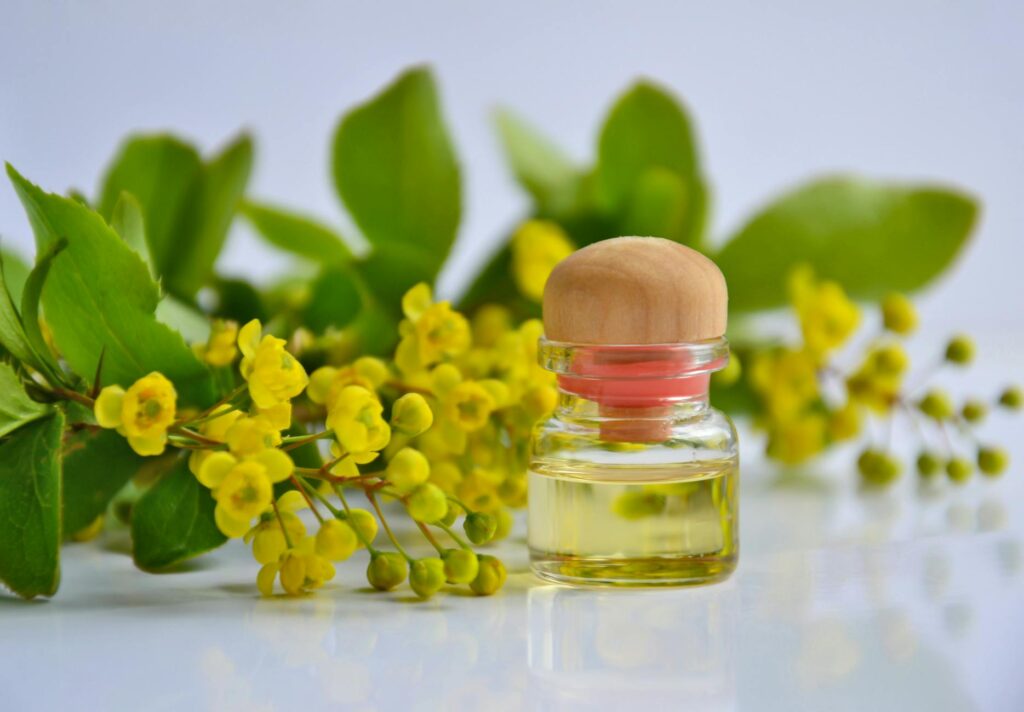
The extract is most commonly available in liquid form, capsules, or as a powder. Each form offers distinct benefits, catering to various preferences and uses. Traditionally, Cat’s Claw has been celebrated for its immune-boosting properties and its role in promoting overall health and well-being.
Key Benefits and Properties
Cat’s Claw extract is often associated with a variety of potential benefits, which contribute to its popularity in herbal medicine. Some of its key properties include:
1. Antioxidant Activity: The presence of flavonoids and other compounds in Cat’s Claw suggests strong antioxidant properties, helping to combat oxidative stress in the body.
2. Anti-Inflammatory Effects: Preliminary studies indicate that Cat’s Claw may exhibit anti-inflammatory properties, which could be beneficial for managing inflammation-related conditions.
3. Immune Support: Traditionally, Cat’s Claw has been regarded as a natural immune enhancer. Its potential to stimulate immune response is a key reason for its usage among traditional healers.
4. Digestive Health: Some cultures utilize Cat’s Claw to support digestive health, as it may help in alleviating gastrointestinal issues.
5. Antimicrobial Properties: The extract is believed to possess antimicrobial qualities, enabling it to combat various pathogens.
It is important to note that while these properties are promising, scientific research is ongoing, and further studies are required to substantiate these claims fully.
Common Uses
Historically, indigenous tribes, including the Ashaninka and the Inca, have used Cat’s Claw for various ailments. Common contemporary uses of Cat’s Claw extract include:
- Immune System Support: Many individuals take Cat’s Claw as a supplement to support immune function, particularly during cold and flu seasons.
- Digestive Aid: Some people find relief from digestive discomfort by incorporating Cat’s Claw into their wellness routines.
- Joint Health: Due to its potential anti-inflammatory properties, Cat’s Claw is sometimes used to support joint health and alleviate discomfort.
- Stress Relief: The calming effects attributed to Cat’s Claw may assist those seeking to manage stress and promote relaxation.
- Pregnancy and Breastfeeding: Due to limited research, pregnant or nursing women should exercise caution and consult healthcare providers before using Cat’s Claw.
- Medication Interactions: Cat’s Claw may interact with certain medications, including blood thinners and immunosuppressants. Individuals on medication should consult a healthcare professional prior to use.
- Gastrointestinal Issues: Some users may experience digestive discomfort, including nausea or diarrhea. If these symptoms occur, discontinuing use is advisable.
- Allergic Reactions: As with any herbal product, individuals with known allergies to plants in the Rubiaceae family should avoid Cat’s Claw.
Aromatherapy Applications
While Cat’s Claw is primarily known for its internal health benefits, it also finds a place in the realm of aromatherapy. Though it is not typically used as an essential oil, its extract can still be incorporated into various aromatherapy practices.
1. Dilution in Carrier Oils: Cat’s Claw extract can be blended with carrier oils for topical applications. This combination may be used in massage therapies focused on relaxation and stress relief.
2. Inhalation: While not commonly diffused due to its concentrated nature, Cat’s Claw extract can be included in personal inhalers or used in steam inhalation to experience its potential calming effects.
3. Bath Soaks: Adding diluted Cat’s Claw extract to bathwater could provide a soothing experience, leveraging its potential to promote relaxation and stress relief.
4. Herbal Infusions: Cat’s Claw can be used in herbal infusions, combined with other aromatherapy-friendly herbs to create soothing blends that enhance overall well-being.
It is advisable to consult with an aromatherapy practitioner to ensure proper usage and blending techniques.
Safety Considerations
As with any herbal supplement, it is essential to consider safety when using Cat’s Claw extract. While generally regarded as safe for most people, potential side effects and interactions should be acknowledged. Some considerations include:
Storage and Shelf Life
Proper storage of Cat’s Claw extract is crucial to maintain its potency and efficacy. The following guidelines can help ensure optimal preservation:
1. Cool, Dark Place: Store Cat’s Claw extract in a cool, dark location away from direct sunlight to prevent degradation of its active compounds.
2. Tightly Sealed Containers: Ensure that the container is tightly sealed to prevent exposure to moisture and air, which can affect the extract’s quality.
3. Check Expiration Dates: Always adhere to the expiration date provided by the manufacturer. While some herbal extracts can last for extended periods, potency may diminish over time.
4. Refrigeration: For certain forms of extract, refrigeration may be advisable after opening to prolong shelf life.
Frequently Asked Questions
1. What is the origin of Cat’s Claw?
Cat’s Claw is native to the Amazon rainforest and has been used for centuries by indigenous cultures in South America for its potential health benefits.
2. How is Cat’s Claw extract made?
Cat’s Claw extract is made by harvesting the inner bark and roots of the plant, which are then dried and processed to extract the beneficial compounds.
3. Can Cat’s Claw be taken with other supplements?
While Cat’s Claw can be taken with other supplements, it is essential to consult a healthcare provider to avoid potential interactions with medications or other herbal products.
4. Is Cat’s Claw safe for children?
Due to limited research on its effects on children, it is advisable to consult a healthcare professional before administering Cat’s Claw extract to minors.
5. What forms of Cat’s Claw extract are available?
Cat’s Claw extract is available in various forms, including capsules, liquid tinctures, and powdered forms, catering to different preferences and needs.
Conclusion
Cat’s Claw extract is a remarkable botanical with a rich history rooted in traditional healing practices. While it offers a variety of potential benefits, it is essential to approach its use with informed caution. By understanding its origins, properties, and applications, individuals can make educated choices regarding its incorporation into their wellness routines. As scientific research continues to evolve, Cat’s Claw remains a fascinating subject in the realm of herbal medicine and natural therapies.