
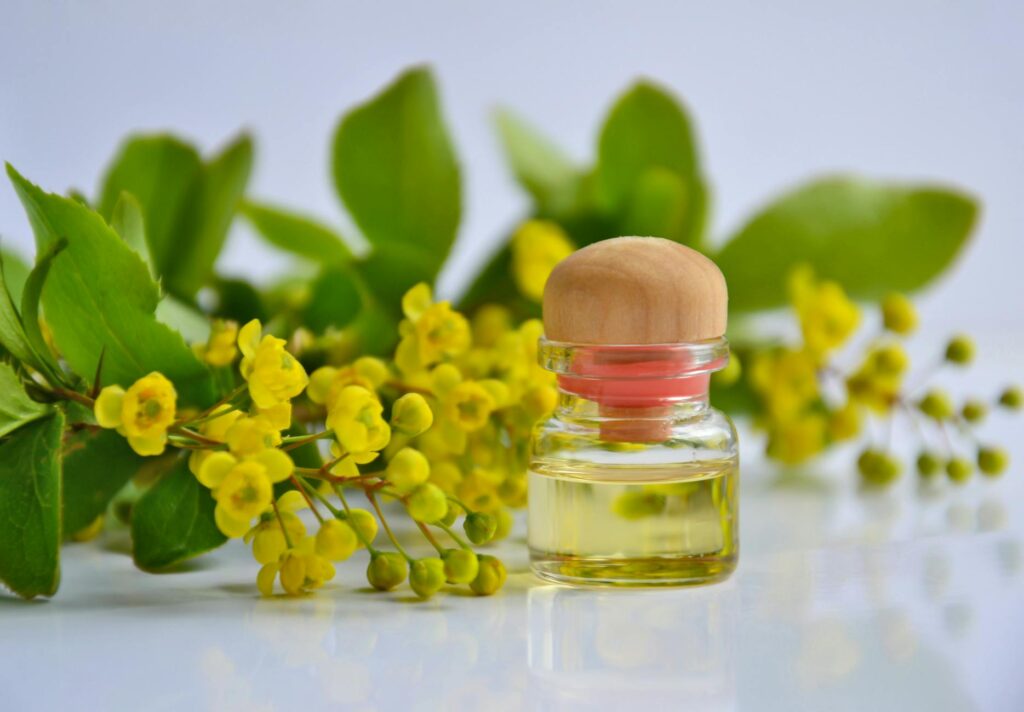
History and Origins of Cedarwood Hydrosols
Introduction
Cedarwood hydrosol, a fragrant byproduct of the steam distillation of cedarwood essential oil, has garnered attention for its aromatic and therapeutic properties. This article explores the historical context and origins of cedarwood hydrosols, tracing their journey from ancient use to contemporary applications. As we delve into the characteristics, benefits, and uses of cedarwood hydrosols, we aim to provide a comprehensive understanding of this unique botanical product.
What Is Cedarwood Hydrosols?
Cedarwood hydrosol is the aqueous solution that remains after the steam distillation of cedarwood. It contains water-soluble compounds and trace amounts of essential oils, offering a gentler alternative to pure essential oils. The primary source of cedarwood hydrosol is typically derived from the wood of various species of cedar trees, including:
- Cedrus atlantica (Atlas cedar)
- Cedrus libani (Lebanon cedar)
- Juniperus virginiana (Eastern red cedar)
- Skincare: It can be used as a facial toner, mist, or added to creams and lotions for its astringent and antimicrobial properties.
- Hair Care: Cedarwood hydrosol may be incorporated into hair rinses or scalp treatments to promote a healthy scalp.
- Household Cleaning: Its antimicrobial properties make it suitable for use in natural cleaning products.
- Aromatherapy: Cedarwood hydrosol can be used in diffusers or as a room spray to create a calming atmosphere.
- Diffusion: Adding cedarwood hydrosol to a diffuser can help purify the air and impart a calming scent throughout a space.
- Body Sprays: Cedarwood hydrosol can be mixed with other hydrosols or essential oils to create personalized body sprays that promote relaxation.
- Baths: Adding cedarwood hydrosol to bathwater can enhance the bathing experience, providing both aroma and skin benefits.
- Skin Sensitivity: Conduct a patch test before applying cedarwood hydrosol directly to the skin, especially for individuals with sensitive skin.
- Dilution: Although hydrosols are milder than essential oils, they should still be diluted when used in concentrated forms.
- Pregnancy and Nursing: Pregnant or nursing individuals should consult a healthcare professional before using any hydrosol.
- Cool, Dark Place: Store cedarwood hydrosol in a cool, dark location away from direct sunlight and heat sources.
- Sealed Containers: Use airtight containers to prevent contamination and oxidation.
- Refrigeration: For extended shelf life, refrigeration is recommended, especially after opening.
Cedarwood hydrosol is characterized by its warm, woody aroma, which reflects the scent of the cedar tree from which it is derived. It is often used in skincare, aromatherapy, and various household applications.
Key Benefits and Properties
Cedarwood hydrosols are celebrated for their diverse properties and benefits, which can be attributed to the unique chemical composition derived from cedarwood. Some key properties include:
1. Astringent: Cedarwood hydrosol can help tighten and tone the skin, making it beneficial for oily or acne-prone skin types.
2. Antimicrobial: It possesses natural antimicrobial properties that may aid in cleansing and purifying the skin.
3. Calming and Grounding: The woody aroma of cedarwood is known for its calming effects, promoting relaxation and emotional balance.
4. Insect Repellent: Cedarwood has been traditionally used as an insect repellent, making hydrosol a useful natural alternative.
Overall, cedarwood hydrosol offers a range of benefits that make it a versatile addition to various applications.
Common Uses
Cedarwood hydrosol is employed in a variety of contexts, including:
The versatility of cedarwood hydrosol makes it suitable for numerous applications in daily life.
Aromatherapy Applications
In the realm of aromatherapy, cedarwood hydrosol is valued for its soothing and grounding effects. Its warm, woody aroma can help create a tranquil environment, making it ideal for relaxation and meditation. Some common applications include:
Incorporating cedarwood hydrosol into an aromatherapy practice can enhance the benefits of relaxation and emotional well-being.
Safety Considerations
While cedarwood hydrosol is generally considered safe for topical and aromatic use, some safety considerations should be noted:
By adhering to these safety considerations, users can enjoy the benefits of cedarwood hydrosol with greater confidence.
Storage and Shelf Life
Proper storage is essential for maintaining the quality and efficacy of cedarwood hydrosol. Here are some guidelines for storage:
Typically, cedarwood hydrosol has a shelf life of 1 to 3 years when stored properly. Always check for any changes in odor or appearance, which may indicate spoilage.
Frequently Asked Questions
1. How is cedarwood hydrosol different from cedarwood essential oil?
Cedarwood hydrosol is a water-based solution that contains water-soluble compounds, whereas cedarwood essential oil is a concentrated oil derived from the wood through steam distillation. Hydrosols are milder and more suitable for direct skin application compared to essential oils.
2. Can cedarwood hydrosol be used for children?
Cedarwood hydrosol is generally considered safe for children, but it is advisable to perform a patch test and consult with a healthcare professional if there are any concerns.
3. What should I do if I experience irritation from cedarwood hydrosol?
If irritation occurs, discontinue use immediately and rinse the affected area with water. If the irritation persists or worsens, consult a healthcare professional.
4. Can I use cedarwood hydrosol in cooking?
Cedarwood hydrosol is not typically used in cooking. It is primarily intended for topical, aromatic, and cosmetic applications.
5. How can I incorporate cedarwood hydrosol into my skincare routine?
Cedarwood hydrosol can be used as a facial toner, added to creams and lotions, or used as a refreshing facial mist. It may help balance oily skin and provide a calming effect.
Conclusion
Cedarwood hydrosol is a versatile and aromatic product with a rich history and numerous applications. Its origins and properties reflect the timeless wisdom of utilizing natural resources for well-being. As interest in natural and holistic practices continues to grow, cedarwood hydrosol remains a valuable addition to the realms of skincare, aromatherapy, and household use. By understanding its history and benefits, individuals can appreciate the significance of cedarwood hydrosol in contemporary wellness practices.