
History and Origins of Chamomile Oil Safety
Introduction
Chamomile, a flowering plant belonging to the Asteraceae family, has been revered for centuries for its therapeutic properties and calming effects. Among its various forms, chamomile essential oil stands out for its versatility in aromatherapy and wellness practices. Understanding the history and origins of chamomile oil safety is vital for both practitioners and enthusiasts. This article delves into the essential elements surrounding chamomile oil, its safety profile, and its applications in aromatherapy.
What Is Chamomile Oil Safety?
Chamomile oil safety encompasses the guidelines and precautions associated with the use of chamomile essential oil, focusing on ensuring that it is utilized effectively and without adverse effects. Chamomile oil is derived from the flowers of two primary species: Roman chamomile (Chamaemelum nobile) and German chamomile (Matricaria chamomilla). Each species offers unique properties, but both share a long-standing history of use in traditional medicine.
Safety considerations include proper dilution, potential allergic reactions, and interactions with other substances. Understanding these aspects helps users maximize the benefits of chamomile oil while minimizing risks.
Key Benefits and Properties
Chamomile oil is celebrated for its numerous benefits and properties, which have been documented since ancient times. Some of the key attributes include:
1. Anti-inflammatory Properties: Chamomile oil is known for its ability to reduce inflammation, making it a popular choice for soothing irritated skin and promoting relaxation.
2. Calming Effects: Often used to alleviate stress and anxiety, chamomile oil can foster a sense of tranquility and well-being. Its calming effects make it a staple in stress-relief practices.
3. Antioxidant Activity: The oil contains bioactive compounds that exhibit antioxidant properties, which help combat oxidative stress and support overall health.
4. Antimicrobial Effects: Chamomile oil has demonstrated antibacterial and antifungal properties, contributing to its use in various personal care products.
5. Digestive Support: Traditionally, chamomile has been associated with digestive health, offering support for gastrointestinal discomfort.
Common Uses
Chamomile oil is widely used in various applications, including:
- Aromatherapy: Its soothing aroma makes it a popular choice for diffusing in homes and therapeutic settings.
- Topical Applications: Chamomile oil can be diluted with carrier oils for massage, skincare, and hair care.
- Bath Additive: Adding chamomile oil to baths can enhance relaxation and provide a soothing experience.
- Inhalation: Inhaling chamomile oil can help alleviate stress and promote a sense of calm.
- Household Products: Due to its antimicrobial properties, chamomile oil is sometimes included in natural cleaning products.
Aromatherapy Applications
In the realm of aromatherapy, chamomile oil is often employed for its calming and soothing qualities. It can be used in various ways:
1. Diffusion: Adding a few drops of chamomile oil to a diffuser can create a peaceful atmosphere, ideal for meditation or relaxation.
2. Massage Blends: When diluted with a carrier oil, chamomile oil can be used in massage to relieve tension and promote relaxation.
3. Baths: Incorporating chamomile oil into a warm bath can enhance the therapeutic experience, promoting relaxation and easing muscle tension.
4. Inhalation: A few drops can be added to a bowl of hot water for inhalation, providing a calming effect during stressful moments.
5. Sleep Aids: Chamomile oil can be included in pillow sprays or bedtime rituals to promote restful sleep.
Safety Considerations
While chamomile oil is generally regarded as safe for most people, there are several important safety considerations to keep in mind:
1. Allergic Reactions: Individuals allergic to plants in the Asteraceae family, such as ragweed, may experience allergic reactions to chamomile oil. A patch test is advisable before widespread use.
2. Pregnancy and Nursing: Pregnant or nursing individuals should consult a healthcare professional before using chamomile oil, as its effects during these periods are not thoroughly studied.
3. Dilution: Essential oils are highly concentrated and should be diluted before topical application. A common recommendation is to use a dilution ratio of 1% to 5%, depending on the intended use.
4. Interactions with Medications: Chamomile oil may interact with certain medications, particularly blood thinners and sedatives. It is crucial to consult a healthcare provider if you are taking any medications.
5. Children and Pets: Special care should be taken when using chamomile oil around children and pets. Always consult a professional for guidance on safe use.
6. Quality of Oil: The purity and quality of chamomile oil can vary significantly between brands. It is advisable to source oils from reputable suppliers who provide third-party testing results.
Storage and Shelf Life
Proper storage of chamomile oil is essential to maintain its efficacy and safety. Here are some general guidelines:
1. Storage Conditions: Chamomile oil should be stored in a cool, dark place, away from direct sunlight and heat sources. This helps preserve its chemical integrity.
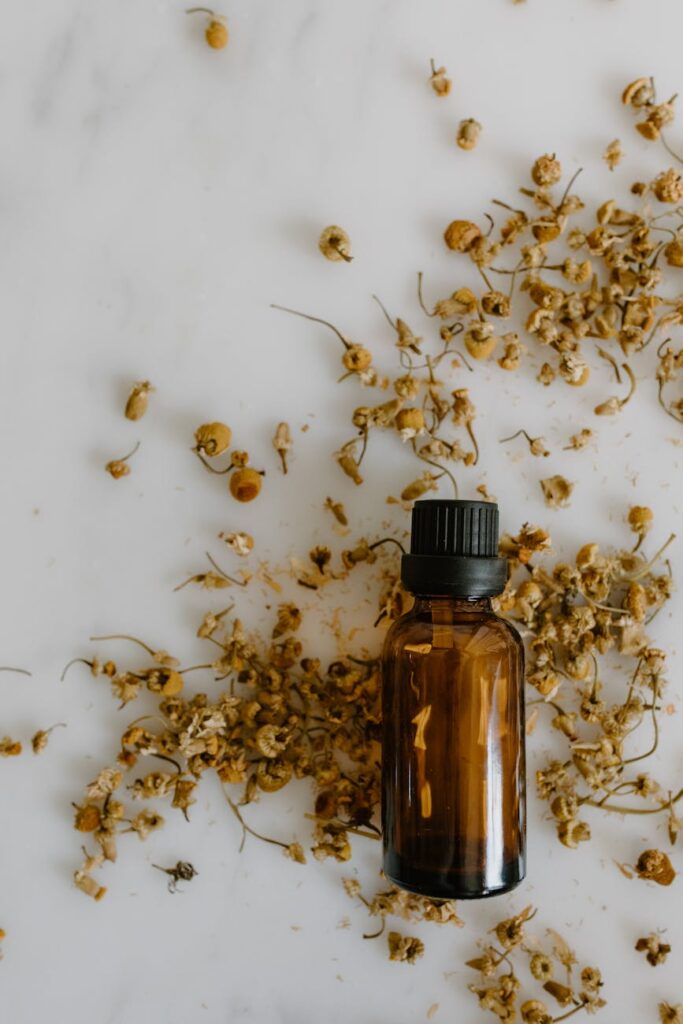
2. Container: Store chamomile oil in a dark glass bottle to protect it from light degradation. Avoid plastic containers, as they can leach chemicals into the oil.
3. Shelf Life: The typical shelf life of chamomile oil is around 2 to 3 years when stored correctly. However, it is advisable to check for any changes in color, smell, or consistency before use.
Frequently Asked Questions
1. Can chamomile oil be used during pregnancy?
While chamomile oil is often considered safe, it is advisable for pregnant individuals to consult a healthcare professional before using it, as its effects during pregnancy are not well-studied.
2. Is chamomile oil safe for children?
Chamomile oil can be used around children, but it should be diluted properly and used with caution. Always consult a healthcare provider for specific guidelines.
3. How can I tell if chamomile oil is pure?
Look for oils that provide third-party testing results, are labeled as 100% pure essential oil, and come from reputable suppliers. Avoid oils with synthetic additives or fillers.
4. What is the best way to use chamomile oil for relaxation?
Diffusing chamomile oil in a diffuser or adding it to a warm bath are popular methods for promoting relaxation. Always ensure proper dilution and follow safety guidelines.
5. Can chamomile oil be ingested?
Ingesting essential oils is not generally recommended unless under the guidance of a qualified healthcare professional. Always consult an expert for advice regarding internal use.
Conclusion
The history and origins of chamomile oil safety highlight the importance of understanding its properties, benefits, and appropriate applications. This essential oil has a rich legacy, and when used mindfully, it can offer numerous advantages in aromatherapy and wellness practices. By following safety guidelines and considering individual sensitivities, users can safely enjoy the calming effects of chamomile oil, contributing to a balanced and holistic approach to well-being.